
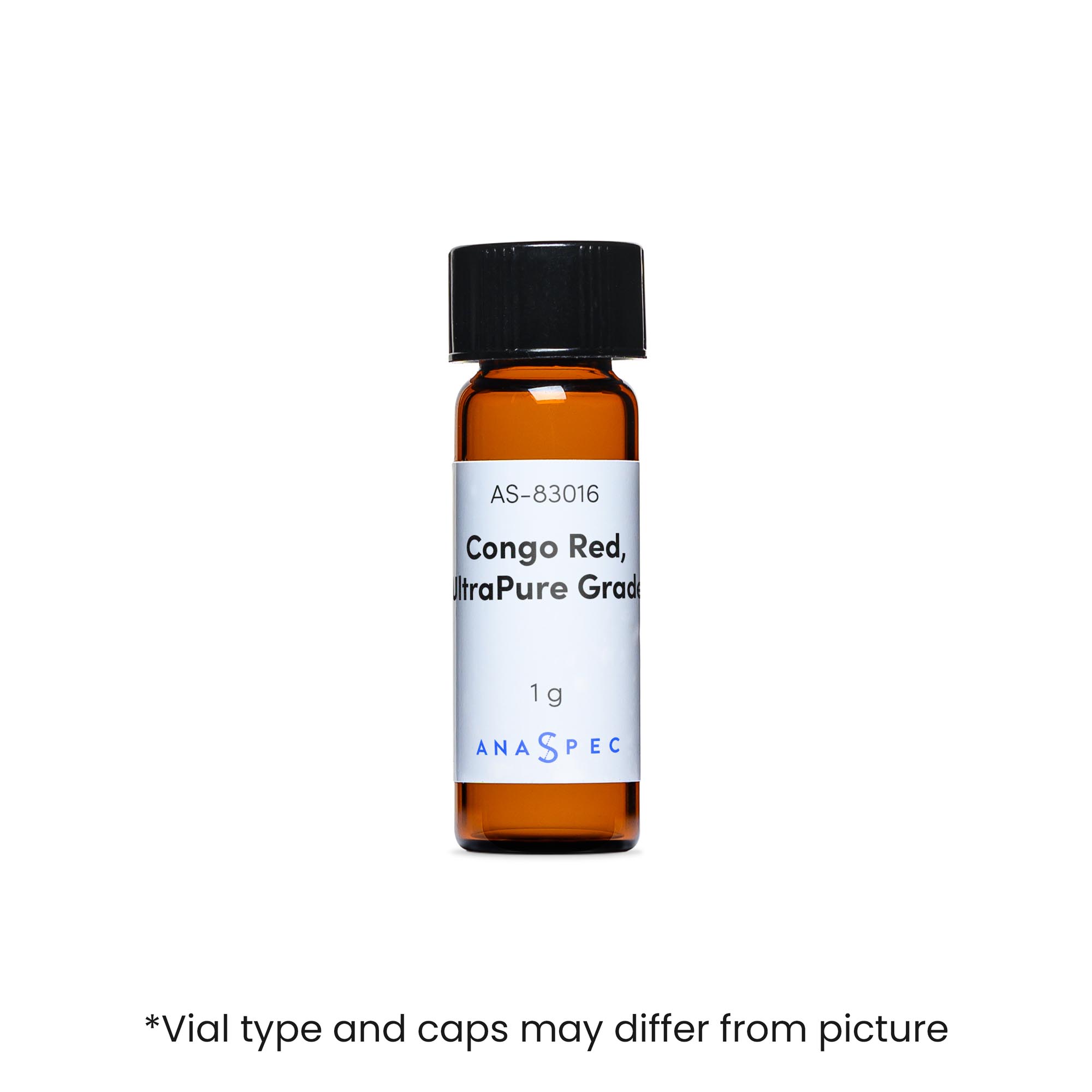
Congo Red UltraPure Grade – 1 g
$171.00
Congo Red UltraPure Grade when combined with immunohistochemistry, is still visible under UV whereas CR is masked in bright light.
Overview
Congo Red UltraPure Grade (1 g) is essential for researchers focused on histochemistry and the early diagnosis of amyloid deposits. This non-fluorescent dye is specifically formulated to assist in differentiating between amyloid and other glomerular fibrillar deposits through its unique yellow-green birefringence observed under crossed polarization. When combined with immunohistochemistry techniques, Congo Red remains detectable under UV light and does not lose its efficacy in bright conditions, making it an invaluable tool in your laboratory.
Key Features
- High-purity formulation for reliable results
- Visible under UV light despite bright conditions
- Helps differentiate amyloid from other deposits
- Used widely in tissue section diagnostics
- Compatible with various in vitro amyloid fibril characterizations
Specifications
| Property | Details |
|---|---|
| Product Name | Congo Red UltraPure Grade |
| Quantity | 1 g |
| Grade | UltraPure |
| Category | Non-fluorescent |
FAQ
What is Congo Red used for?
Congo Red is primarily used for histochemical staining to identify amyloid deposits in tissue sections. Its unique properties allow it to bind to amyloid fibrils and provide diagnostic information.
How does Congo Red perform under bright light?
Unlike many other dyes, Congo Red remains visible under UV light even when exposed to bright conditions, ensuring your results are consistent and reliable.
Can I use Congo Red for in vitro studies?
Yes, it’s widely used in characterizing in vitro amyloid fibrils, making it a versatile choice for both diagnostic and research applications.
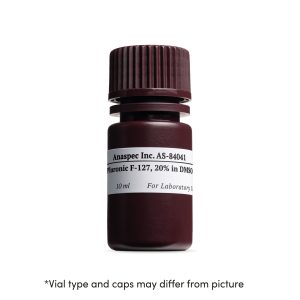
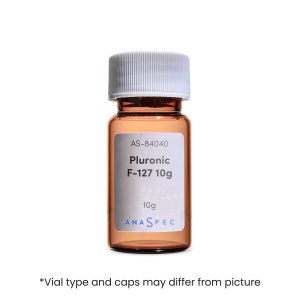
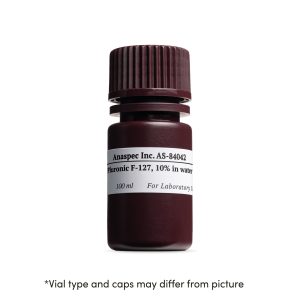
Explore our full range of assay kits and labeling solutions at AnaSpec, including Pluronic® F-127 and EGTA, tetrasodium salt UltraPure Grade that complement your research needs.
Related Products
Browse more in Non-fluorescent.
Be the first to review “Congo Red UltraPure Grade – 1 g”
Related products
Reviews
There are no reviews yet.