
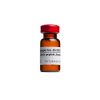
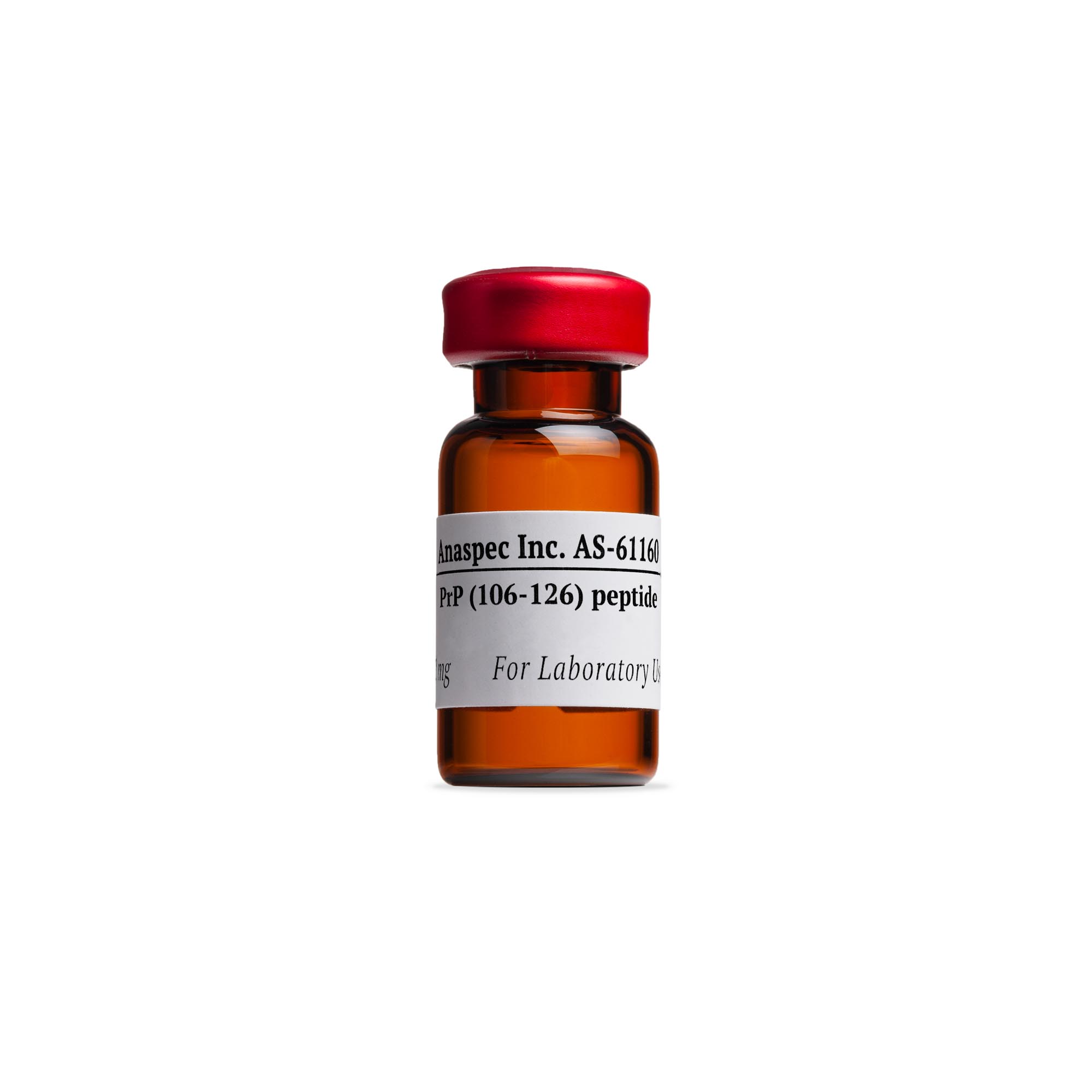
PrP (106-126), prion protein – 1 mg
$237.00
PrP (106-126), prion protein. (PrP), also known as CD230, is mainly produced in the nervous sytem. PrP exists as different isoforms.
Overview
The PrP (106-126) peptide is derived from the prion protein, known scientifically as CD230, predominantly produced in the nervous system. This peptide sequence is critical for research on prion diseases, offering a unique opportunity for studying molecular mechanisms related to neurodegeneration. PrP has different isoforms, including the normal PrPc and the misfolded ‘scrapie’ isoform PrPSc, which is implicated in several severe disorders such as bovine spongiform encephalopathy and Creutzfeldt-Jakob disease. Understanding these proteins can help researchers develop targeted therapies, making the PrP (106-126) an essential component for your scientific work.
Key Features
- Pure prion protein peptide (PrP 106-126)
- Essential for studying neurodegenerative diseases
- High-quality synthesis for reliable results
- Supports various assay kits and protein interactions
- Available in a convenient 1 mg size
Specifications
| Product Name | PrP (106-126), prion protein |
| Category | Peptides |
| Weight | 1 mg |
| Application | Research on prion diseases |
FAQ
What is the significance of PrP (106-126) peptide?
This peptide sequence is crucial for researchers investigating the molecular basis of prion diseases. It helps in understanding the structural differences between normal and misfolded prion proteins, which are associated with neurodegenerative disorders.
How should I store PrP (106-126)?
For optimal stability and activity, store the PrP (106-126) peptide at -20°C in its original vial, and avoid repeated freeze-thaw cycles.
Can I use this peptide in my assays?
Yes, the PrP (106-126) peptide is suitable for various assay applications. You can integrate it with other reagents, such as our PKG Substrate for enhanced detection capabilities.
Related Products
Browse more in Peptides.
Be the first to review “PrP (106-126), prion protein – 1 mg”
Related products
Peptides
Peptides
Reviews
There are no reviews yet.