
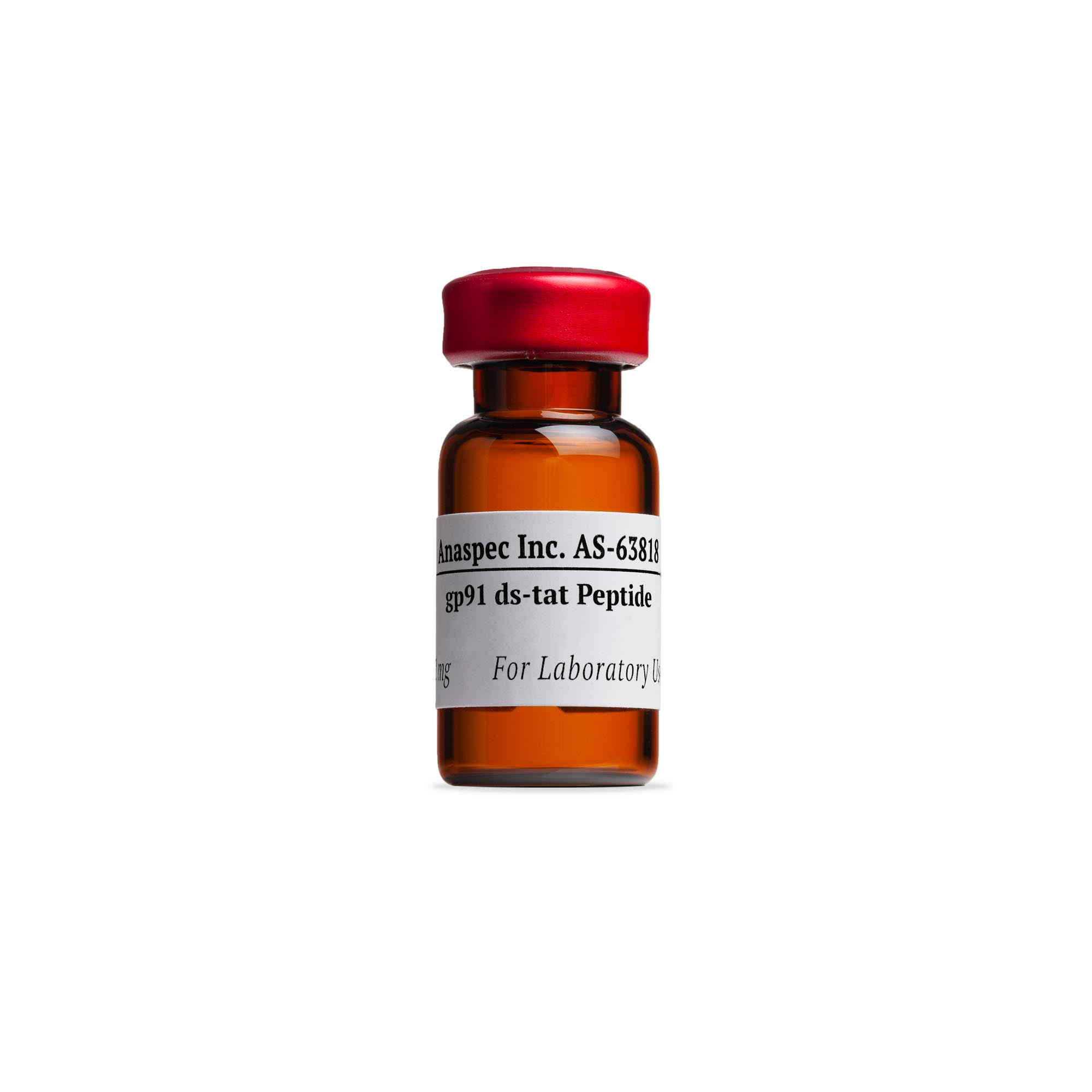
gp91 ds-tat, NADPH oxidase inhibitor – 1 mg
$174.00
gp91 ds-tat, NADPH oxidase inhibitor. ADPH oxidase, major source of superoxide in kidney, action relies on an enzymatic complex including gp91phox subunit.
Overview
The gp91 ds-tat peptide is a powerful NADPH oxidase inhibitor designed specifically for research into reactive oxygen species (ROS) production in the kidney. NADPH oxidase is a pivotal source of superoxide, a type of reactive oxygen species, and is critical in various physiological processes. This peptide features the gp91phox sequence linked to the HIV-tat peptide, enhancing its ability to penetrate cellular membranes. This property makes the gp91 ds-tat a valuable tool for researchers studying oxidative stress and its implications in kidney function.
Key Features
- Inhibits NADPH oxidase activity
- Enhances cellular uptake through HIV-tat sequence
- Specifically designed for kidney research
- Utilizes the gp91phox subunit
- Available in a convenient 1 mg size
Specifications
| Property | Details |
|---|---|
| Peptide Name | gp91 ds-tat |
| Function | NADPH oxidase inhibitor |
| Quantity | 1 mg |
| Application | Research, kidney studies |
FAQ
What is the significance of gp91phox in kidney research?
gp91phox is crucial in NADPH oxidase activation, contributing to superoxide production. This pathway is important for understanding oxidative stress in kidney diseases.
How does the HIV-tat sequence enhance cellular uptake?
The HIV-tat sequence facilitates the transduction of peptides into cells, significantly improving the delivery of therapeutic agents like gp91 ds-tat.
Can this peptide be used in other types of studies?
While primarily aimed at kidney research, the gp91 ds-tat peptide may also be applicable in broader studies involving oxidative stress and cellular signaling.
If you’re looking for more peptide options, explore our extensive range of peptides to find other products that fit your research needs.
Boost your research with the gp91 ds-tat NADPH oxidase inhibitor today and gain deeper insights into the role of oxidative stress in kidney function.
Related Products
Be the first to review “gp91 ds-tat, NADPH oxidase inhibitor – 1 mg”
Related products
Peptides
Peptides
Reviews
There are no reviews yet.