
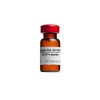
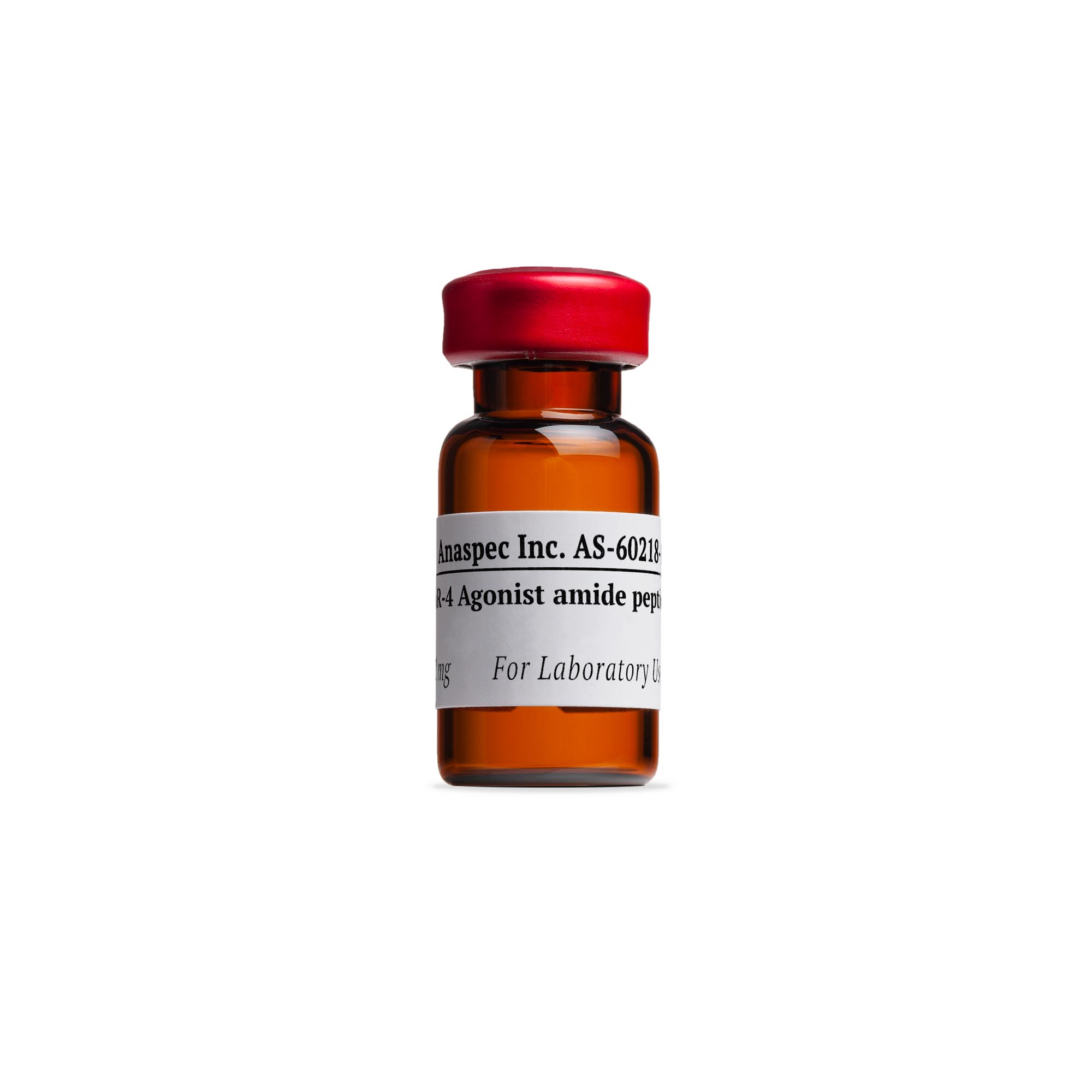
Protease-Activated Receptor-4, PAR-4 Agonist, amide
Price range: $97.00 through $357.00
Protease-Activated Receptor-4, PAR-4 Agonist, amide stimulates thromboxane production by human platelets.
Overview
The Protease-Activated Receptor-4 (PAR-4) Agonist, amide, is a specialized peptide designed for scientific research and exploration in the field of platelet activity and thromboxane production. This peptide serves as a powerful tool for those investigating the mechanisms of hemostasis and cardiovascular functions. Its precise action as a PAR-4 agonist allows for enhanced study of platelet activation and aggregation, essential processes in various physiological and pathological conditions.
Key Features
- Stimulates thromboxane production in human platelets.
- Maximal response is approximately half of that observed with maximal thrombin stimulation.
- Useful for studying platelet function and related cardiovascular research.
- Supports a range of experimental applications in both basic and clinical research.
- Available in an amide form for improved stability and performance.
Specifications
| Product Name | PAR-4 Agonist, amide |
|---|---|
| Category | Peptides |
| Price | 55 |
| Unit | per 10 mg vial |
FAQ
What is the function of the PAR-4 Agonist?
The PAR-4 Agonist stimulates thromboxane production by activating platelets, providing insight into the signaling pathways involved in platelet activation.
How can this peptide be used in research?
This peptide is ideal for studies focused on thrombosis, hemostasis, and the cellular mechanisms of platelet function, making it valuable for cardiovascular research.
Is this peptide stable for long-term use?
Yes, the amide form of the PAR-4 Agonist offers enhanced stability, ensuring consistent performance in various experimental conditions.
For comprehensive research in peptide activity, you might also be interested in our PKG Substrate and related products such as Autocamtide-2. Additionally, explore our extensive catalog of peptides for more options tailored to your research needs.
Related Products
| Size | 1 mg, 5 mg |
|---|
Be the first to review “Protease-Activated Receptor-4, PAR-4 Agonist, amide”
Related products
Peptides
Reviews
There are no reviews yet.