
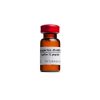
Proadrenomedullin N-term peptide, PAMP (1-20) – 5 mg
$270.00
Proadrenomedullin N-term peptide, PAMP (1-20) involved in vasodilation, bronchodilation, hormone secretion, cell migration, apoptosis, and angiogenesis.
Overview
The Proadrenomedullin N-term peptide, PAMP (1-20), is a critical component in various physiological processes. This biologically active peptide is derived from the posttranslational processing of proadrenomedullin, and it plays a vital role in vasodilation, bronchodilation, hormone secretion, cell migration, apoptosis, and angiogenesis. Researchers have found that PAMP (1-20) is present in numerous tissues, exerting its effects through specific cell surface receptors. This peptide is not only essential for normal biological functions but has also been implicated in the pathophysiology of several diseases, including renal and cardiovascular conditions. By incorporating this peptide into your research, you can gain insights into therapeutic applications and disease mechanisms.
Key Features
- Bioactive peptide related to proadrenomedullin
- Involved in key processes such as vasodilation and hormone secretion
- Available in a convenient 5 mg format
- Supports research in renal and cardiovascular diseases
- High purity and quality for reliable results
Specifications
| Product Name | Proadrenomedullin N-term peptide, PAMP (1-20) |
| Weight | 5 mg |
| Category | Peptides |
FAQ
What are the applications of PAMP (1-20)?
PAMP (1-20) has a wide range of applications in research, particularly in studies related to vasodilation, bronchodilation, and hormone secretion. It is valuable for understanding conditions affecting the cardiovascular and renal systems.
How is this peptide supplied?
The Proadrenomedullin N-term peptide, PAMP (1-20), is supplied in a 5 mg vial, ensuring you have enough material for your experiments without excess waste.
What makes this peptide suitable for research?
This peptide is highly purified, providing researchers with reliable results. Its biological activity is well-characterized, making it an excellent choice for studies focused on disease mechanisms and potential therapies. Explore our range of peptides for additional options that may fit your specific research needs.
For an effective and precise approach to studying the physiological processes involving proadrenomedullin, consider adding Proadrenomedullin N-term peptide, PAMP (1-20) to your research toolkit.
Related Products
Be the first to review “Proadrenomedullin N-term peptide, PAMP (1-20) – 5 mg”
Related products
Peptides
Peptides
Reviews
There are no reviews yet.