
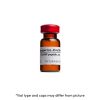
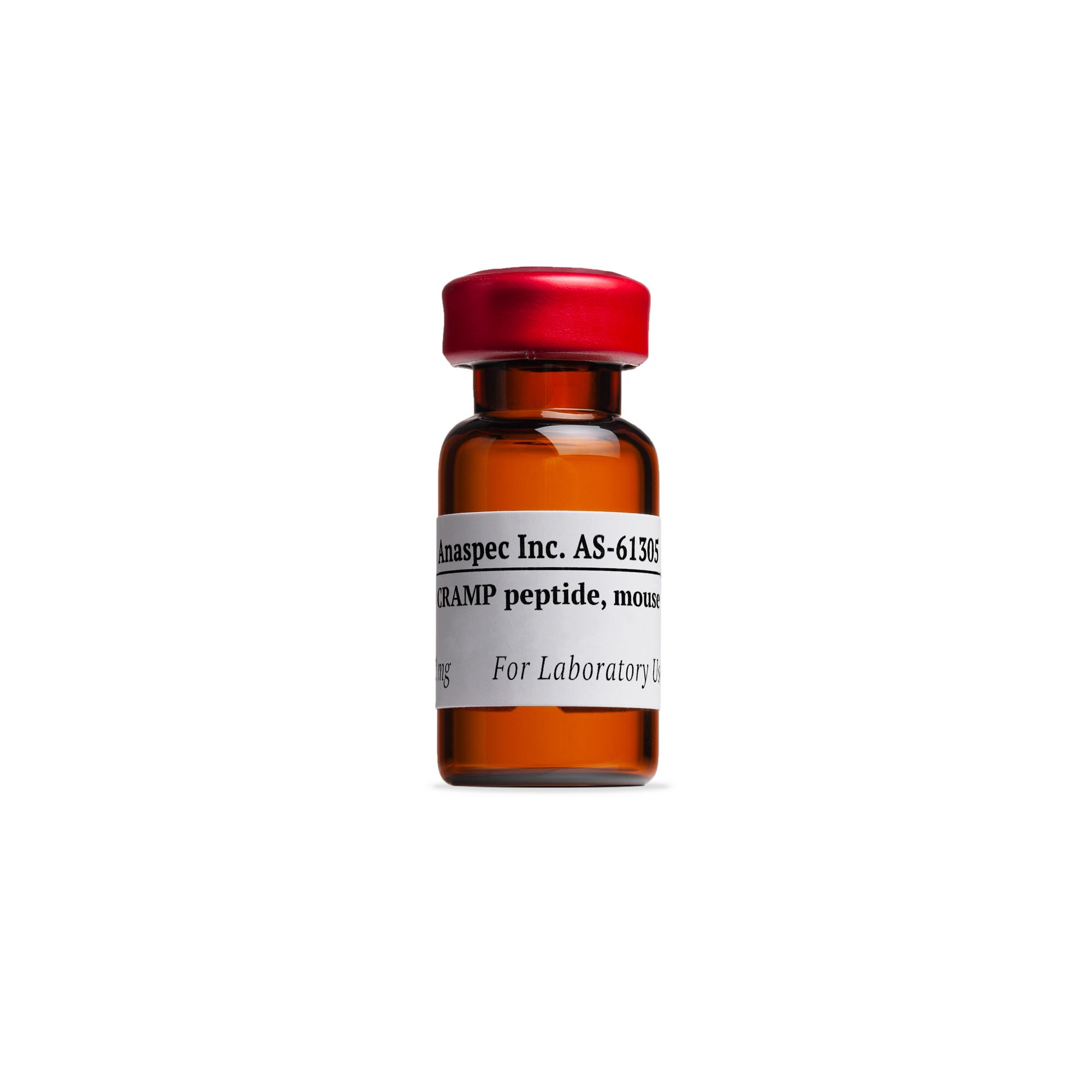
CRAMP, mouse – 1 mg
$372.00
CRAMP, mouse, cathelicidin-related antimicrobial peptide (mCRAMP). Its expression in intestinal tract is restricted to surface epithelial cells in colon.
Overview
The CRAMP, mouse (cathelicidin-related antimicrobial peptide) is a crucial player in the innate immune response of mice. This peptide, recognized scientifically as mCRAMP, is exclusive to murine systems and primarily expressed in the surface epithelial cells of the colon. Known for its antimicrobial properties, mCRAMP is particularly effective against pathogens such as Citrobacter rodentium and the skin fungus Candida albicans. With its unique characteristics, mCRAMP can serve as an integral component in various research, diagnostic, and therapeutic applications.
Key Features
- Exclusive to murine systems, providing targeted research insights.
- Demonstrates potent antimicrobial activity against select pathogens.
- Ideal for studies in immunology and microbiology.
- Available in a convenient 1 mg dosage for flexible use in assays.
- Supports various applications in peptide research and development.
Specifications
| Property | Details |
|---|---|
| Product Name | CRAMP, mouse |
| Category | Peptides |
| Weight | 1 mg |
| Antimicrobial Activity | Effective against Citrobacter rodentium and Candida albicans |
FAQ
What is mCRAMP?
mCRAMP stands for mouse cathelicidin-related antimicrobial peptide. It plays a vital role in the immune defense against various pathogens in murine models.
How is mCRAMP used in research?
This peptide is often utilized in immunological studies, helping researchers understand the interactions between host defense mechanisms and microbial pathogens.
Where can I find more information about related products?
For further exploration, consider visiting our peptides catalogwhere you can find a range of peptides tailored for various research needs.
Related Products
Be the first to review “CRAMP, mouse – 1 mg”
Related products
Peptides

Reviews
There are no reviews yet.