
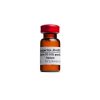
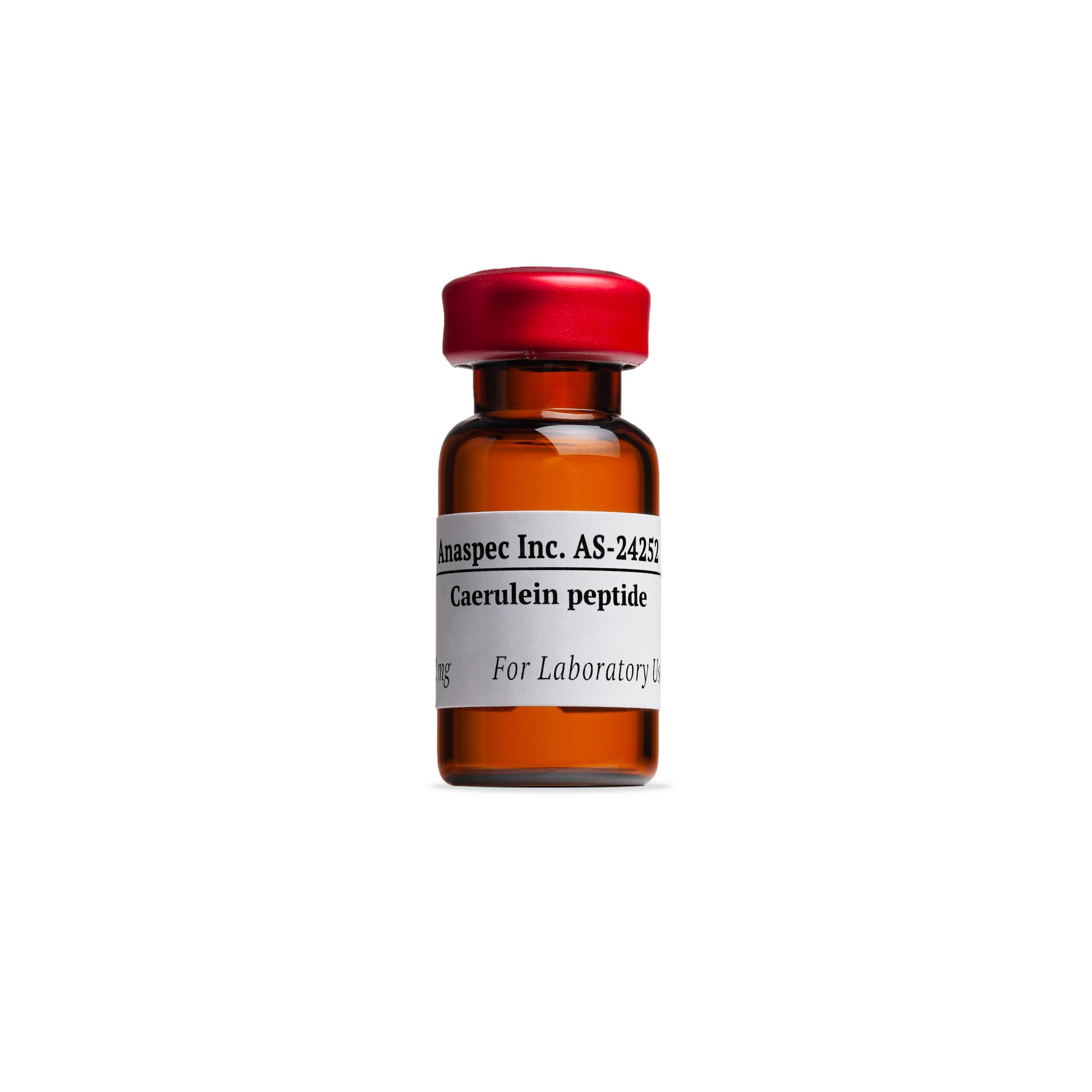
Caerulein, Ceruletide – 1 mg
$267.00
Caerulein, a decapeptide analog of the potent pancreatic secretagogue cholecystokinin, stimulates gastric, biliary, and pancreatic secretion.
Overview
Caerulein, a decapeptide analog of cholecystokinin, plays a crucial role in stimulating gastric, biliary, and pancreatic secretions, making it an essential tool in various research applications. This potent peptide is particularly useful when studying the dynamics of digestion and the complex interactions within the gastrointestinal system. If you’re looking for a reliable source of caerulein, you can easily purchase it from our selection of peptides.
Key Features
- Decapeptide analog of cholecystokinin
- Stimulates pancreatic, gastric, and biliary secretions
- Ideal for research on digestion and pancreatic function
- Available in a 1 mg vial for easy handling
- Suitable for laboratory use and experiments
Specifications
| Product Name | Weight | Category |
|---|---|---|
| Caerulein | 1 mg | Peptides |
FAQ
What is caerulein used for?
Caerulein is primarily used in research to stimulate gastric, biliary, and pancreatic secretions. This makes it valuable for experiments focusing on digestive processes and pancreatic function.
How should caerulein be stored?
To maintain its stability, store caerulein in a cool, dry place, away from direct sunlight. Follow the recommended storage guidelines provided with the product.
Can caerulein cause any side effects?
While caerulein is generally safe for research purposes, it’s known to induce acute pancreatitis in mice. Thus, it’s essential to follow proper guidelines when handling and administering this peptide.
If you’re interested in enhancing your research capabilities, consider exploring our range of PKG Substrate and Autocamtide-2 for additional tools in your studies. Additionally, our extensive catalog of peptides provides a variety of options for your experimental needs.
Related Products
Be the first to review “Caerulein, Ceruletide – 1 mg”
Related products
Peptides
Peptides
Peptides
Reviews
There are no reviews yet.