
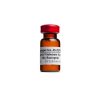
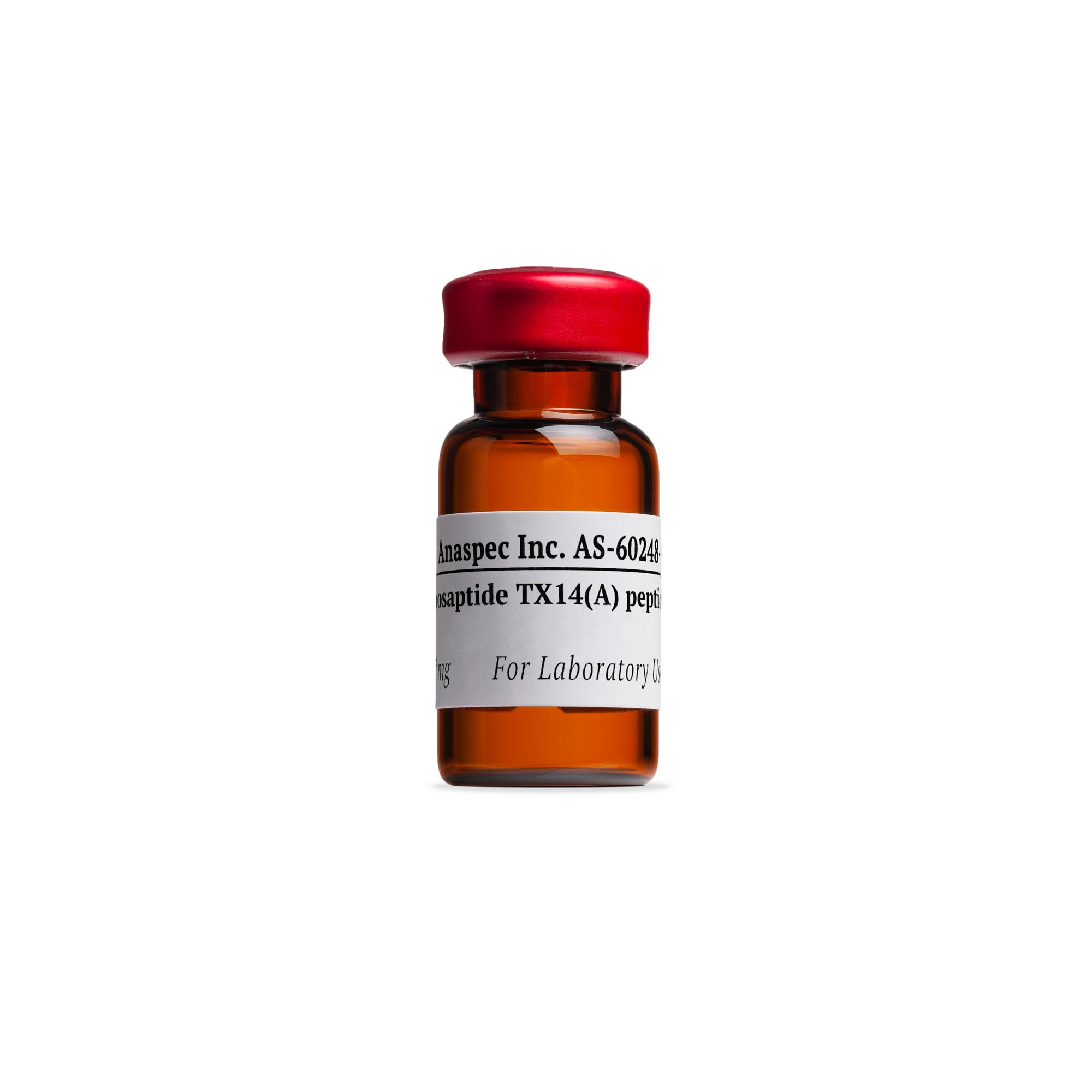
Prosaptide TX14(A)
Price range: $140.00 through $522.00
Prosaptide TX14(A) sequence is derived from the active neurotrophic region in the amino-terminal portion of the saposin C domain, biologically active.
Overview
Prosaptide TX14(A) is a 14-mer peptide sequence that originates from the neurotrophic region in the amino-terminal portion of the saposin C domain. Known for its biological activity, this peptide plays a crucial role in cellular processes, particularly pertaining to neuronal cells. Incorporating Prosaptide TX14(A) into your research can provide insights into myelin formation and neurotrophic functions. If you’re looking for reliable peptides for neurological research, our collection of peptides is worth exploring.
Key Features
- Biologically active 14-mer peptide
- Derived from the saposin C domain, promoting neurotrophic effects
- Stimulates sulfatide synthesis in Schwann cells and oligodendrocytes
- Essential for studying myelin formation and neuronal health
- High purity to ensure reliable results in experimental settings
Specifications
| Property | Details |
|---|---|
| Sequence | TX14(A) |
| Category | Peptides |
| Purity | ≥95% |
| Form | Lyophilized powder |
| Storage | -20°C for long-term |
FAQ
What are the applications of Prosaptide TX14(A)?
Prosaptide TX14(A) is primarily used in neurological research to study myelin formation, neurotrophic properties, and cellular signaling pathways. It can be particularly useful for experiments involving Schwann cells and oligodendrocytes.
How should I store Prosaptide TX14(A)?
For optimal results, store Prosaptide TX14(A) lyophilized powder at -20°C. Proper storage conditions help maintain stability and effectiveness.
Is Prosaptide TX14(A) suitable for in vivo studies?
While Prosaptide TX14(A) is extensively used in vitro, its suitability for in vivo studies depends on specific experimental designs. It’s advisable to consult relevant literature or your research advisor for guidance.
Don’t miss the opportunity to integrate Prosaptide TX14(A) into your research. For more options, check out our PKG Substrate and Autocamtide-2 for complementary studies.
Related Products
| Size | 1 mg, 5 mg |
|---|
Be the first to review “Prosaptide TX14(A)”
Related products
Peptides
Peptides
Peptides
Peptides
Peptides
Reviews
There are no reviews yet.