
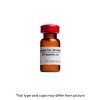
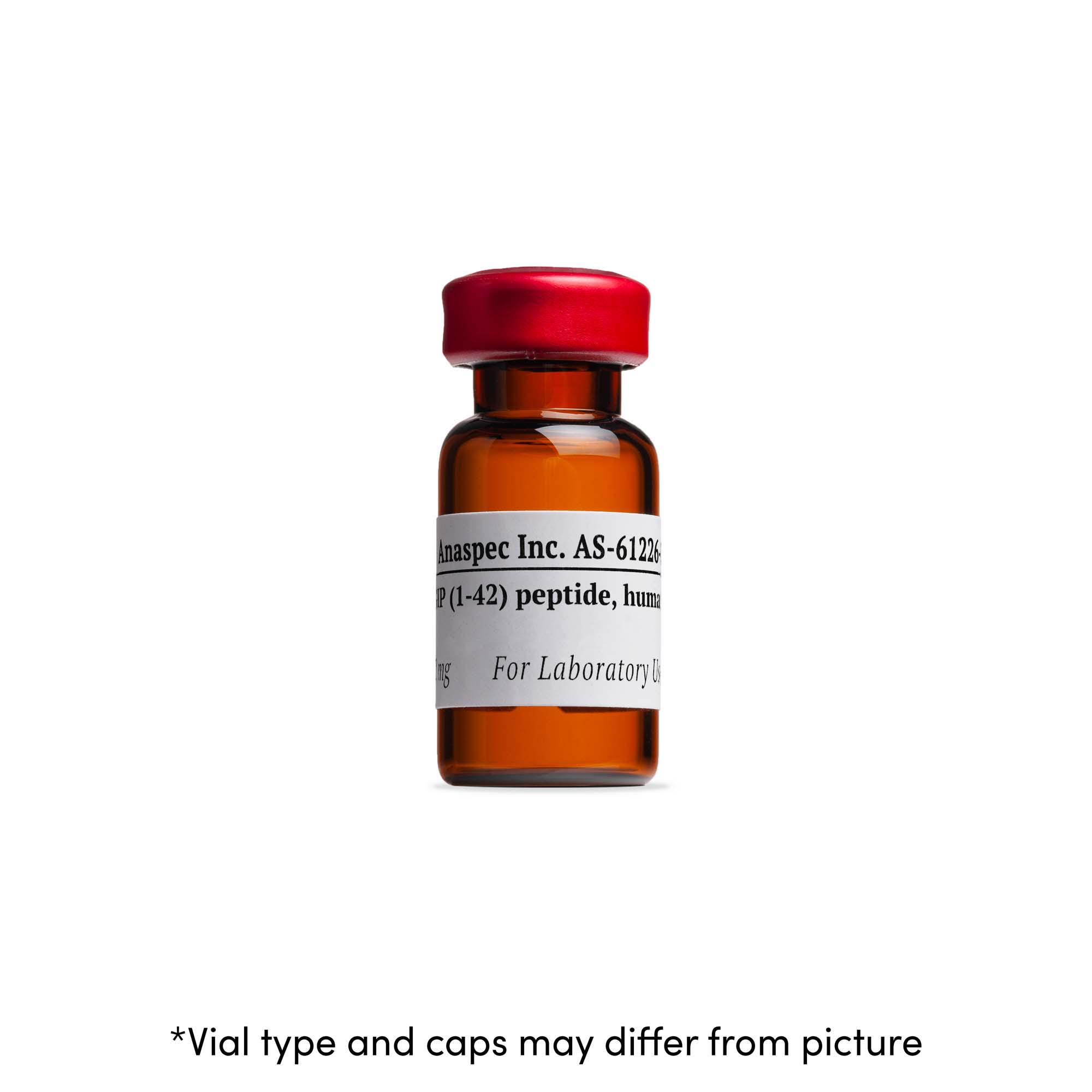
GIP (1-42), human
Price range: $254.00 through $431.00
GIP (1-42) (Glucose-dependent Insulinotropic Polypeptide or Gastric Inhibitory Polypeptide) is released by K cells of duodenum in response to food intake.
Overview
GIP (1-42), or Glucose-dependent Insulinotropic Polypeptide, is an essential 42-amino acid peptide secreted by K cells in the duodenum in response to food intake. It plays a vital role in regulating insulin secretion from pancreatic islet β-cells, making it a significant player in glucose metabolism and energy homeostasis. GIP acts alongside other incretin hormones, such as GLP (Gastric-like Peptide), to enhance insulin response and may also contribute to beta cell proliferation and survival. With a growing body of research exploring its implications in metabolic conditions, GIP (1-42) is increasingly recognized for its potential in various therapeutic applications.
Key Features
- High-Quality Peptide: GIP (1-42) is produced with precision to ensure optimal performance in research.
- Biological Relevance: This peptide mimics the natural hormone response, making it suitable for various metabolic studies.
- Versatile Applications: Ideal for research in diabetes, obesity, and other metabolic disorders.
- Available in Multiple Formats: Choose from different sizes to suit your experimental needs.
Specifications
| Property | Details |
|---|---|
| Catalog Number | GIP-1-42 |
| Purity | ≥95% (HPLC) |
| Storage Condition | -20°C |
| Format | Lyophilized powder |
FAQ
What is the role of GIP (1-42) in glucose metabolism?
GIP (1-42) helps stimulate insulin secretion in response to nutrient intake, thereby playing a crucial role in maintaining blood glucose levels post-meal.
How should GIP (1-42) be stored?
To maintain its biological activity, store GIP (1-42) at -20°C and keep it protected from moisture.
What research applications is GIP (1-42) suitable for?
It is ideal for studies related to diabetes, obesity, insulin signaling pathways, and other metabolic conditions. Explore our range of peptides for more options.
Discover the potential of GIP (1-42) in your research. It’s ready for sale in various sizes to accommodate your experimental needs. Don’t miss out on this opportunity to enhance your understanding of insulin regulation and metabolic health.
Related Products
| Size | 0.5 mg, 1 mg |
|---|
Be the first to review “GIP (1-42), human”
Related products
Peptides
Peptides
Reviews
There are no reviews yet.