
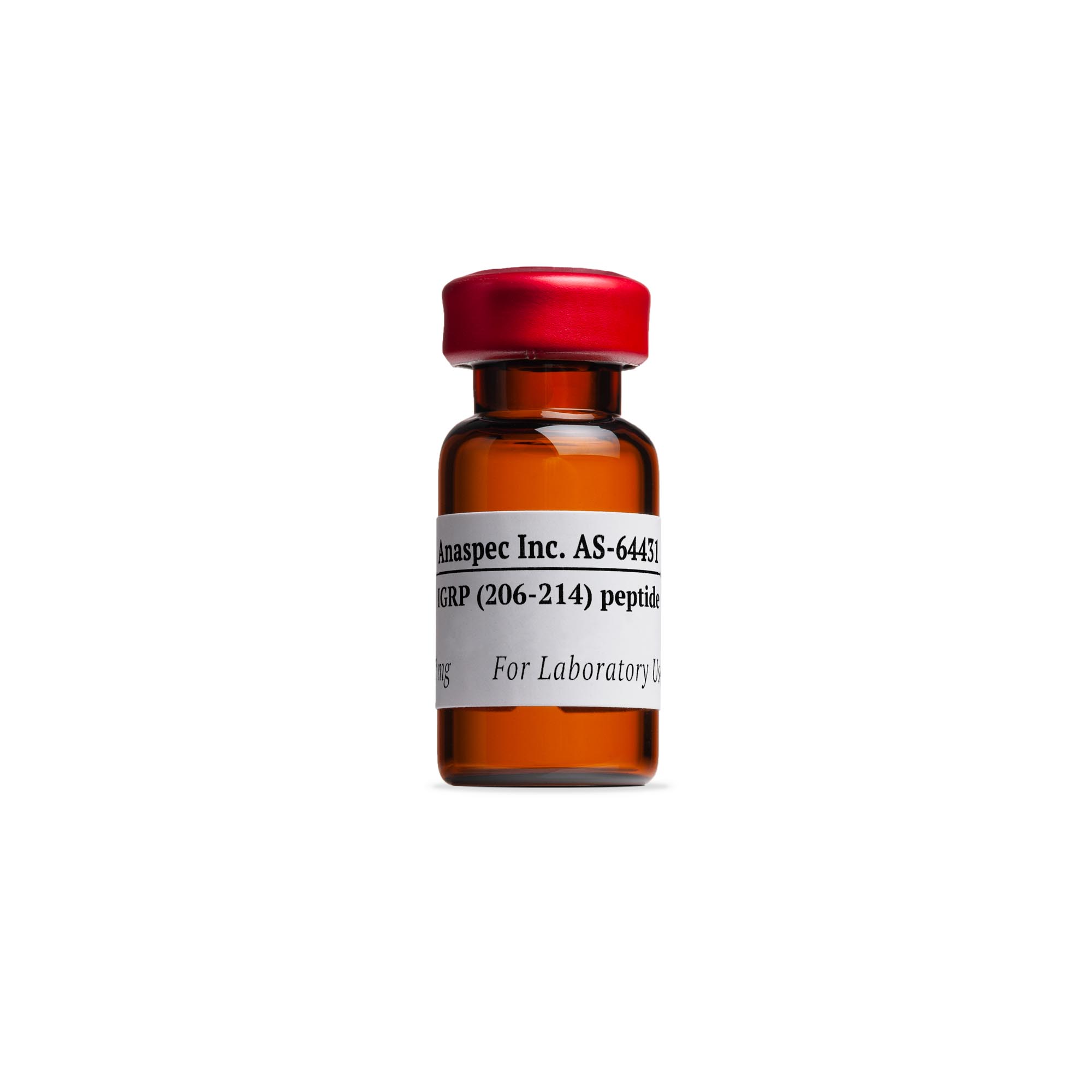
IGRP Catalytic Subunit-related Protein (206-214) – 1 mg
$122.00
IGRP Catalytic Subunit-related Protein (206-214) is T cells specific for proinsulin and IGRP induces diabetes in non-obese diabetic (NOD) mice.
Overview
The IGRP Catalytic Subunit-related Protein (206-214) is a specialized peptide that corresponds to residues 206, 214 of the murine islet-specific glucose-6-phosphatase catalytic subunit-related protein (IGRP). This peptide is notable for its specificity towards T cells that recognize proinsulin, making it a vital component in diabetes research. Particularly, this peptide has shown to induce diabetes in non-obese diabetic (NOD) mice, providing researchers with a significant tool to study autoimmune diabetes mechanisms.
Key Features
- Pure, high-quality peptide for reliable research results
- Specificity for T cells related to proinsulin and IGRP
- Critical for studying diabetes in NOD mice models
- Ideal for use in immunological assays and related applications
- Available in a convenient 1 mg size for extensive experimentation
Specifications
| Property | Details |
|---|---|
| Name | IGRP Catalytic Subunit-related Protein (206-214) |
| Size | 1 mg |
| Category | Peptides |
FAQ
What is the significance of the IGRP peptide?
This peptide is crucial for researching the autoimmune response in diabetes, specifically in models that mimic human diabetes conditions.
How can I use this peptide in my experiments?
You can incorporate the IGRP peptide into various immunological assays to study T cell responses and the mechanisms of diabetes.
Where can I find more peptide options?
For additional choices, check out our extensive range of peptideswhich includes substrates and other related products.
With the IGRP Catalytic Subunit-related Protein (206-214), you not only acquire a high-quality product but also a key to furthering your research in diabetes. Shop now to secure your peptide and make strides in your next experiment.
Related Products
Be the first to review “IGRP Catalytic Subunit-related Protein (206-214) – 1 mg”
Related products
Peptides
Reviews
There are no reviews yet.