
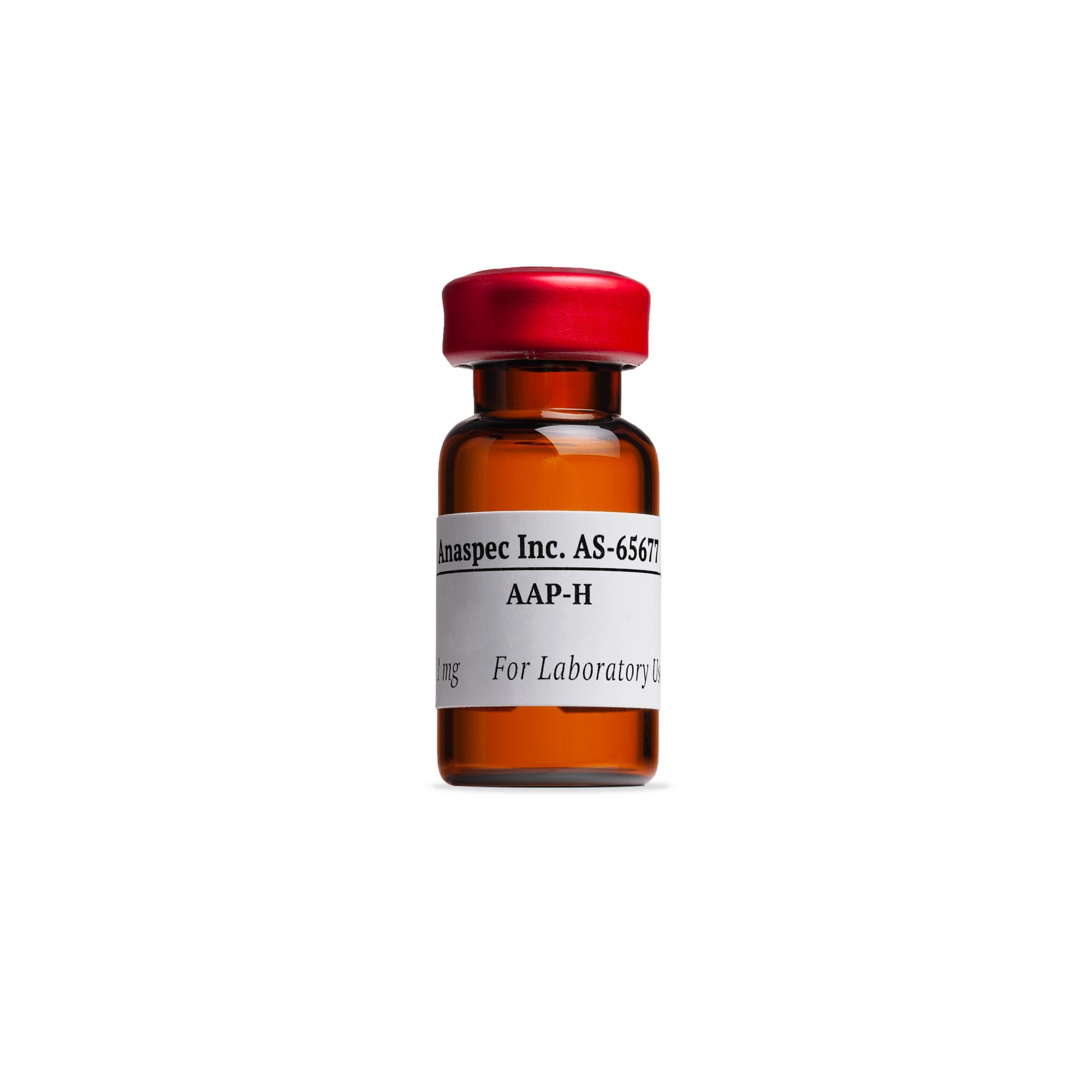
AAP-H – 1mg
$142.00
AAP-H – 1 mg
Overview
If you’re looking for a potent anti-tumor peptide, AAP-H – 1 mg is a noteworthy option. Derived from the sea anemone Anthopleura anjunaethis pentapeptide has shown promise in preclinical studies, particularly relating to its effects on prostate cancer DU-145 cells. The research indicates that AAP-H may inhibit cell growth by targeting the PI3K/AKT/mTOR signaling pathway, ultimately promoting apoptosis through mitochondrial and death receptor mechanisms.
Key Features
- Potent anti-tumor properties against DU-145 prostate cancer cells.
- Derived from the marine organism Anthopleura anjunae.
- Investigated for its mechanism involving the PI3K/AKT/mTOR signaling pathway.
- Encourages apoptosis, making it a critical target in cancer research.
- Available in a convenient 1 mg format, perfect for research applications.
Specifications
| Attribute | Details |
|---|---|
| Product Name | AAP-H |
| Weight | 1 mg |
| Source | Anthopleura anjunae |
| Application | Anti-tumor research |
FAQ
What is the mechanism of action of AAP-H?
AAP-H inhibits prostate cancer cell growth by regulating the PI3K/AKT/mTOR signaling pathway, leading to increased apoptosis.
How is AAP-H typically used in research?
Researchers often utilize AAP-H to investigate anti-tumor effects and its underlying biological mechanisms, which could pave the way for potential therapeutic applications.
Is AAP-H safe for use in laboratory studies?
As with any peptide used in research, AAP-H should be handled according to your institution’s safety protocols. Its efficacy and safety in humans are still under investigation.
If you’re interested in exploring advanced peptides further, consider checking out our range of peptides or specific options like PKG Substrate and Autocamtide-2. Each provides unique applications in research that could complement your work with AAP-H.
Related Products
Be the first to review “AAP-H – 1mg”
Related products
Peptides
Reviews
There are no reviews yet.