
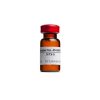
KT2 – 1mg
$244.00
KT2 – 1 mg
Overview
Introducing KT2 – 1 mga cationic amphipathic peptide derived from the Crocodylus siamensis Leucrocin I. KT2 has demonstrated significant biological activity, particularly in the fields of cancer research and cellular studies. Its ability to inhibit the viability of HeLa cells and induce apoptosis in HCT-116 cells makes it an appealing option for researchers looking to explore cellular mechanisms and potential therapeutic applications.
In addition to its cytotoxic effects, KT2 restricts the migration and invasion of human melanoma cells. The peptide achieves this by modulating key signaling pathways, including MMP-2 and MMP-9 expression, as well as the FAK, uPA, MAPK, PI3K/AKT, NF-kB, and RhoA-ROCK pathways. Whether you’re studying cancer dynamics or neurological interactions, KT2 could be a crucial addition to your investigational toolkit.
Key Features
- Cationic amphipathic peptide with anti-cancer properties
- Inhibits HeLa and HCT-116 cell viability
- Induces apoptosis and restricts cell migration
- Modulates critical signaling pathways associated with cancer
- 1 mg format for versatile use in research applications
Specifications
| Product Name | KT2 |
| Quantity | 1 mg |
| Category | Peptides |
FAQ
What research applications can KT2 be used for?
KT2 is primarily used in cancer research, particularly for studying apoptosis and cell migration mechanisms in various cancer cell lines.
How should KT2 be stored?
For optimal stability, store KT2 at -20°C, protected from light and moisture.
Can KT2 be used in vivo studies?
Yes, KT2 has been shown to be effective in both in vitro and in vivo studies, making it suitable for a range of experimental setups.
Explore more about our wide variety of peptides and consider complementing your research with our PKG substrate or the Autocamtide-2. Purchase KT2 today and take your research further.
Related Products
Be the first to review “KT2 – 1mg”
Related products
Peptides
Peptides
Reviews
There are no reviews yet.