
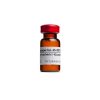
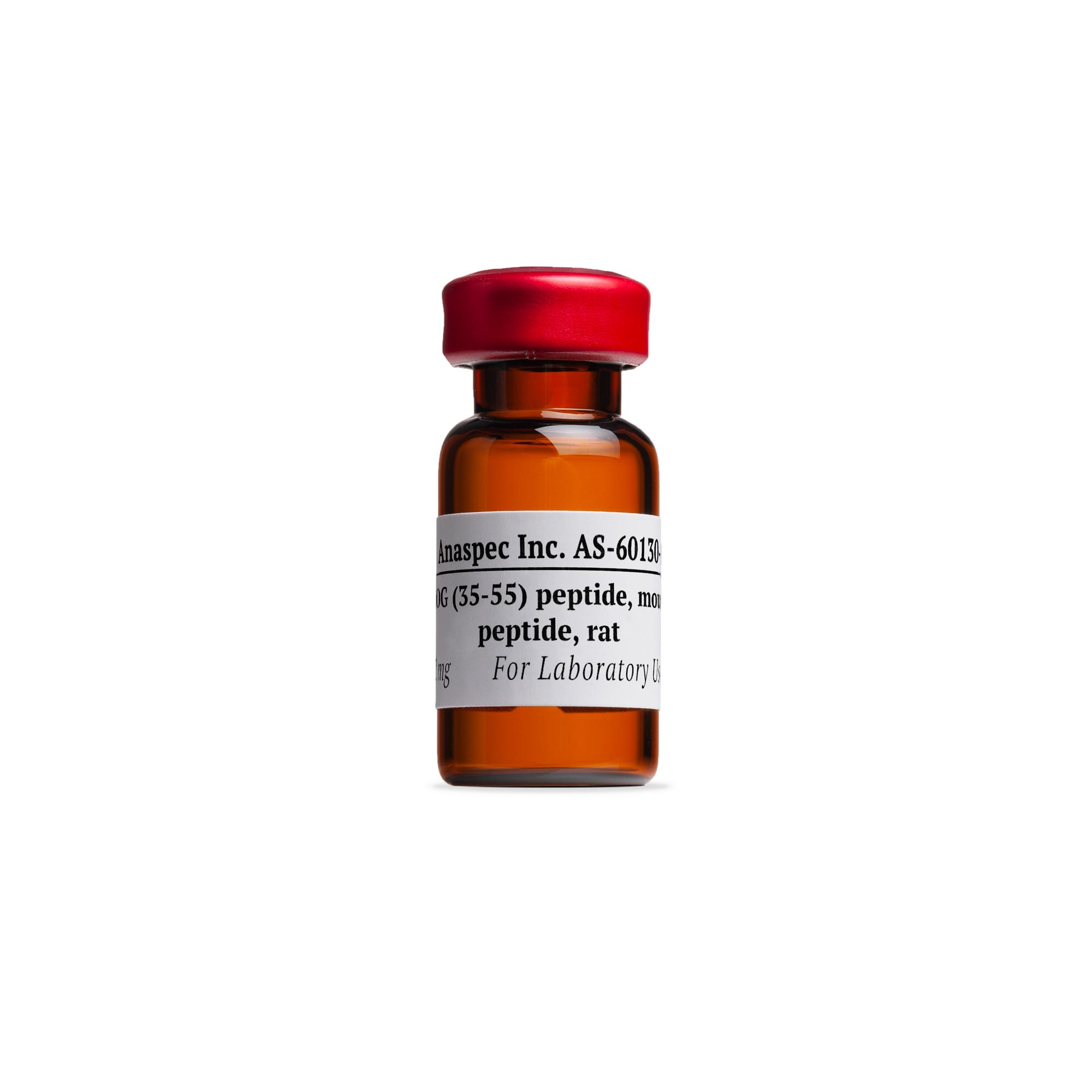
MOG (35-55), mouse, rat
Price range: $201.00 through $1,082.00
MOG (35-55), mouse, rat is able to induce autoantibody production and relapsing-remitting neurological disease causing extensive plaque-like demyelination.
Overview
MOG (35-55), mouse, rat is a pivotal peptide recognized for its role in inducing autoantibody production and mimicking the effects of relapsing-remitting neurological disease. This peptide is derived from myelin oligodendrocyte glycoprotein, a crucial component expressed in the central nervous system. Notably, MOG (35-55) has been associated with extensive plaque-like demyelination, providing significant insights into multiple sclerosis (MS) and other related conditions.
Key Features
- Induces autoantibody production related to neurological diseases
- Relevance to multiple sclerosis and experimental autoimmune encephalomyelitis (EAE)
- Used in research with C57/BL6 mice and Lewis rats
- High purity and quality for reliable experimental results
- Available for research purposes in various formats
Specifications
| Attribute | Details |
|---|---|
| Peptide Sequence | MOG (35-55) |
| Species | Mouse, Rat |
| Purity | ≥ 95% |
| Format | Lyophilized powder |
FAQ
What is MOG (35-55)?
MOG (35-55) is a peptide derived from myelin oligodendrocyte glycoprotein, known for its role in inducing autoimmune responses related to neurological diseases.
How is MOG (35-55) used in research?
This peptide is primarily used in studies related to multiple sclerosis and experimental autoimmune encephalomyelitis (EAE) in animal models, including C57/BL6 mice and Lewis rats.
What type of experiments can benefit from MOG (35-55)?
Researchers investigating demyelination processes and autoimmune responses in the central nervous system can use MOG (35-55) to better understand the mechanisms involved in neurological disorders.
Don’t miss out on the opportunity to enhance your research with MOG (35-55). Browse our selection of other peptides to complement your studies, such as Autocamtide-2 and CREBtide. Each lot is carefully tested to ensure the highest quality, helping you achieve meaningful results in your experiments.
Related Products
Browse more in Peptides.
| Size | 1 mg, 10 mg, 5 mg |
|---|
Be the first to review “MOG (35-55), mouse, rat”
Related products
Peptides
Reviews
There are no reviews yet.