
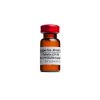
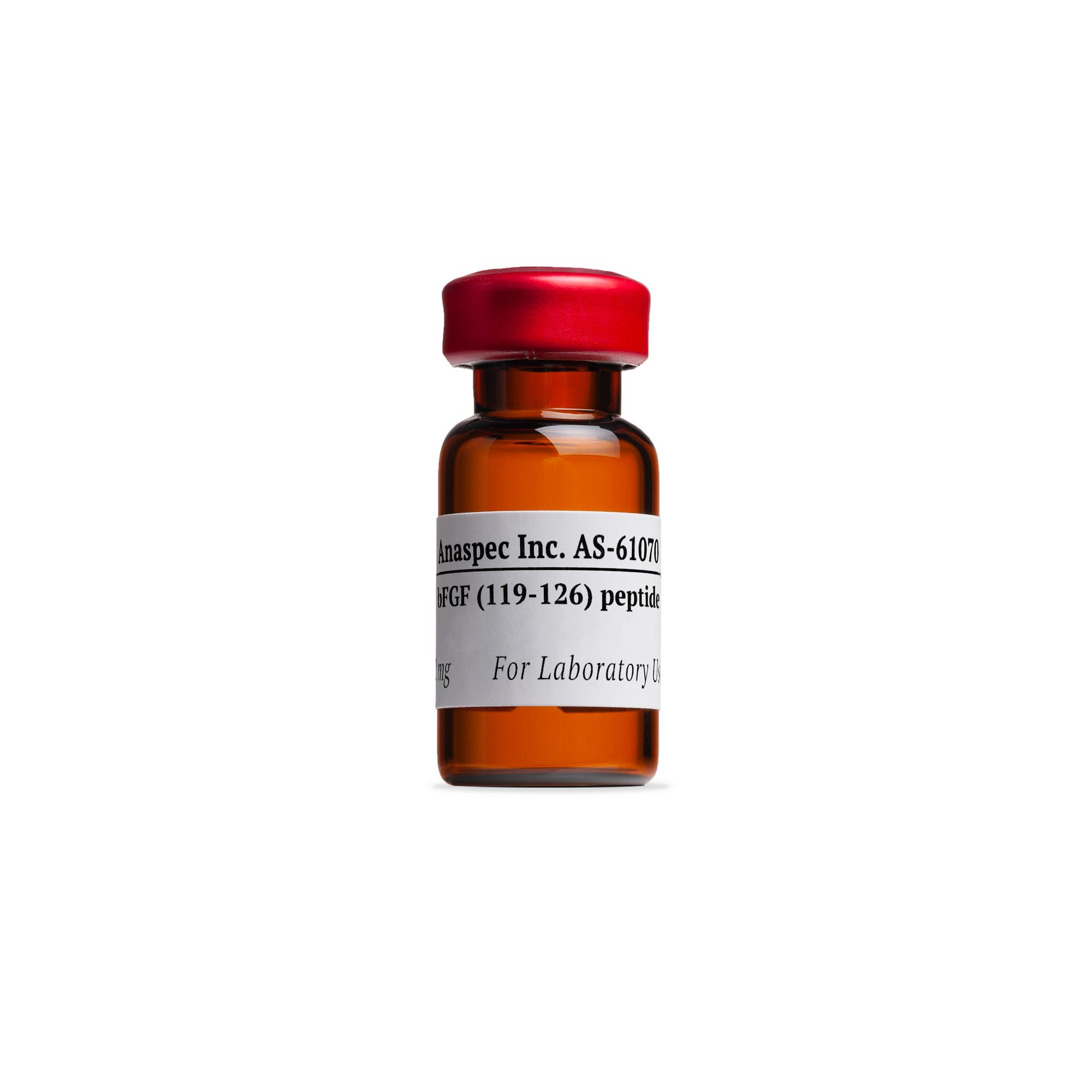
bFGF (119-126), Basic Fibroblast Growth Factor, human, mouse, rat, rabbit, bovine – 1 mg
$113.00
bFGF (119-126), Basic Fibroblast Growth Factor, Heparin-Binding Growth Factor 2 (118-125) residues of bFGF, inhibits activation of bFGF receptors.
Overview
The bFGF (119-126) peptide is vital for numerous research applications, particularly in studies involving fibroblast growth factors. This peptide corresponds to the human, mouse, rat, rabbit, and bovine sequences of basic fibroblast growth factor (bFGF), specifically the heparin-binding growth factor 2 residues. By inhibiting the dimerization and activation of bFGF receptors, this peptide serves as an essential tool for scientists investigating cell signaling and growth processes.
Key Features
- Sequence: Corresponds to bFGF residues from multiple species, including human and bovine
- Function: Inhibits dimerization and activation of bFGF receptors
- Applications: Useful in research related to cell growth, differentiation, and tissue repair
- Purity: High purity ensures reliable results in experiments
- Available Quantity: Supplied in 1 mg units for flexibility in research needs
Specifications
| Product Name | bFGF (119-126) |
| Species | Human, Mouse, Rat, Rabbit, Bovine |
| Quantity | 1 mg |
| Function | Inhibits bFGF receptor activation |
FAQ
What is the role of bFGF in biological processes?
Basic fibroblast growth factor (bFGF) is crucial in cell growth, survival, and differentiation, making it a significant focus of many studies related to angiogenesis and tissue repair.
How should I store the bFGF (119-126) peptide?
For optimal stability, store the bFGF peptide at -20°C and avoid repeated freeze-thaw cycles.
Are there any specific applications for this peptide?
This peptide is commonly used in research focusing on fibroblast receptor interactions, wound healing, and cell signaling pathways. For related products, explore our complete range of peptides or consider our PKG Substrate for enhanced experimental options.
Related Products
Be the first to review “bFGF (119-126), Basic Fibroblast Growth Factor, human, mouse, rat, rabbit, bovine – 1 mg”
Related products
Peptides
Reviews
There are no reviews yet.