
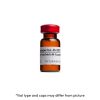
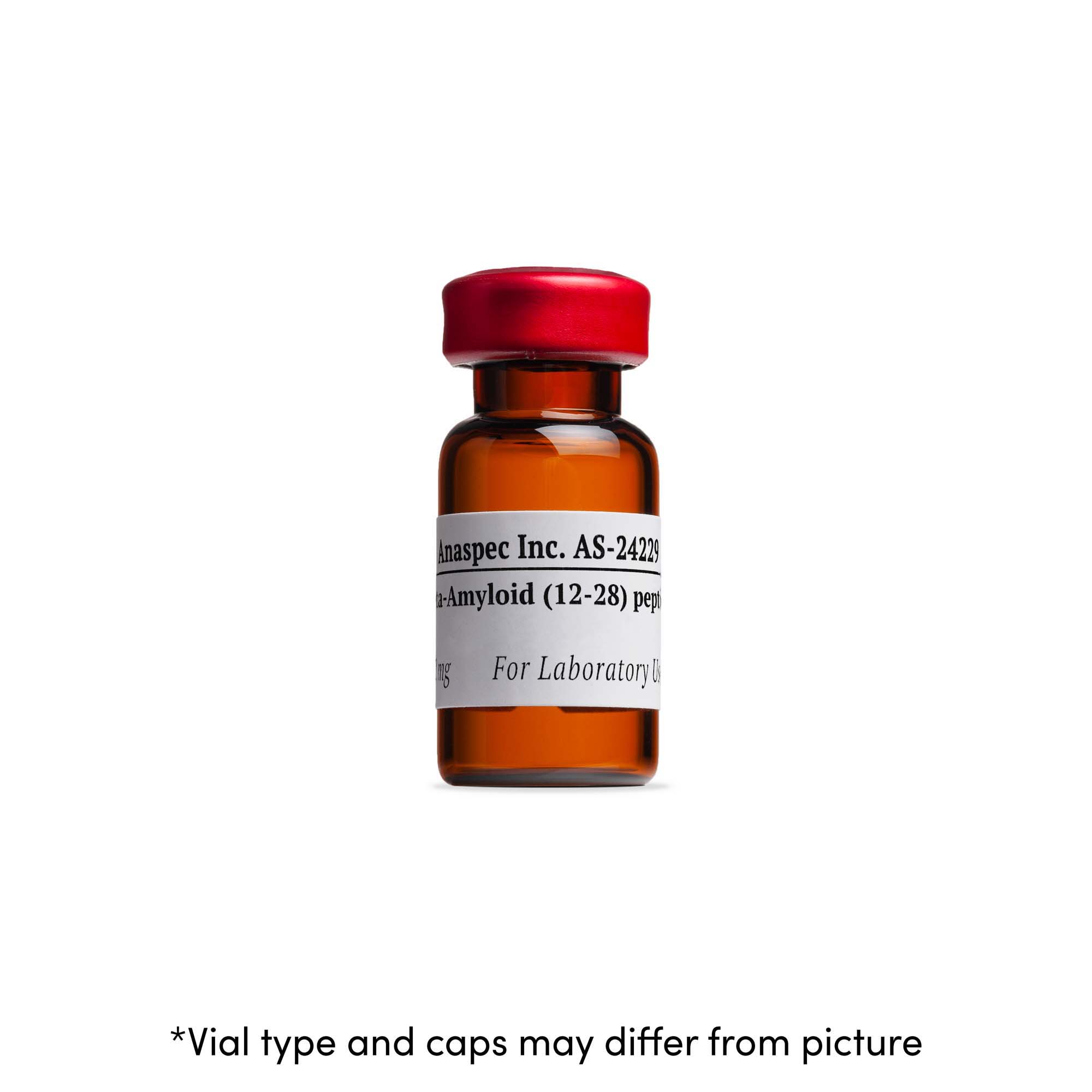
Beta-Amyloid (12-28) Peptide
Price range: $122.00 through $193.00
Beta-Amyloid (12-28) represents a binding site for apolipoprotein E (apoE), a genetically inherited risk factor for Alzheimer’s disease.
Overview
The Beta-Amyloid (12-28) peptide is crucial for researchers studying Alzheimer’s disease, specifically its relationship with apolipoprotein E (apoE). This peptide represents a significant binding site that contributes to the aggregation of toxic amyloid beta (Aβ) peptides, a hallmark of Alzheimer’s pathology. Characterized by a hydrophobic domain and a distinctive secondary structure, Aβ (12-28) plays a pivotal role in the assembly of Aβ fibrils, making it an essential tool in neurobiological research. Our Beta-Amyloid (12-28) peptide enables precise studies into Alzheimer’s mechanisms, helping you stay at the forefront of Alzheimer’s research.
Key Features
- Represents a critical binding site for apolipoprotein E (apoE)
- Helps in understanding the aggregation process of toxic Aβ peptides
- Contains a hydrophobic domain for efficient fibril assembly
- Facilitates studies on Alzheimer’s disease mechanisms
- Available in high purity to support your research needs
Specifications
| Specification | Details |
|---|---|
| Peptide Sequence | Beta-Amyloid (12-28) |
| Purity | High |
| Storage Conditions | -20°C |
| Unit Size | 1 mg |
FAQ
What is the significance of the Beta-Amyloid (12-28) peptide?
This peptide serves as a binding site for apolipoprotein E (apoE), playing a central role in the aggregation process of amyloid beta, which is linked to Alzheimer’s disease.
How should I store the Beta-Amyloid (12-28) peptide?
It is recommended to store the peptide at -20°C to maintain its integrity and efficacy for your research applications.
Can Beta-Amyloid (12-28) be used in vivo?
This peptide is primarily intended for in vitro studies to explore Alzheimer’s disease mechanisms, rather than in vivo applications.
Order the Beta-Amyloid (12-28) peptide today for your research needs and enhance your understanding of Alzheimer’s disease. Explore our other peptides to find complementary products such as PKG Substrate and Autocamtide-2 for advanced experimental setups.
Related Products
| Size | 0.5 mg, 1 mg |
|---|
Be the first to review “Beta-Amyloid (12-28) Peptide”
Related products
Peptides
Reviews
There are no reviews yet.