
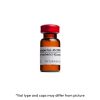
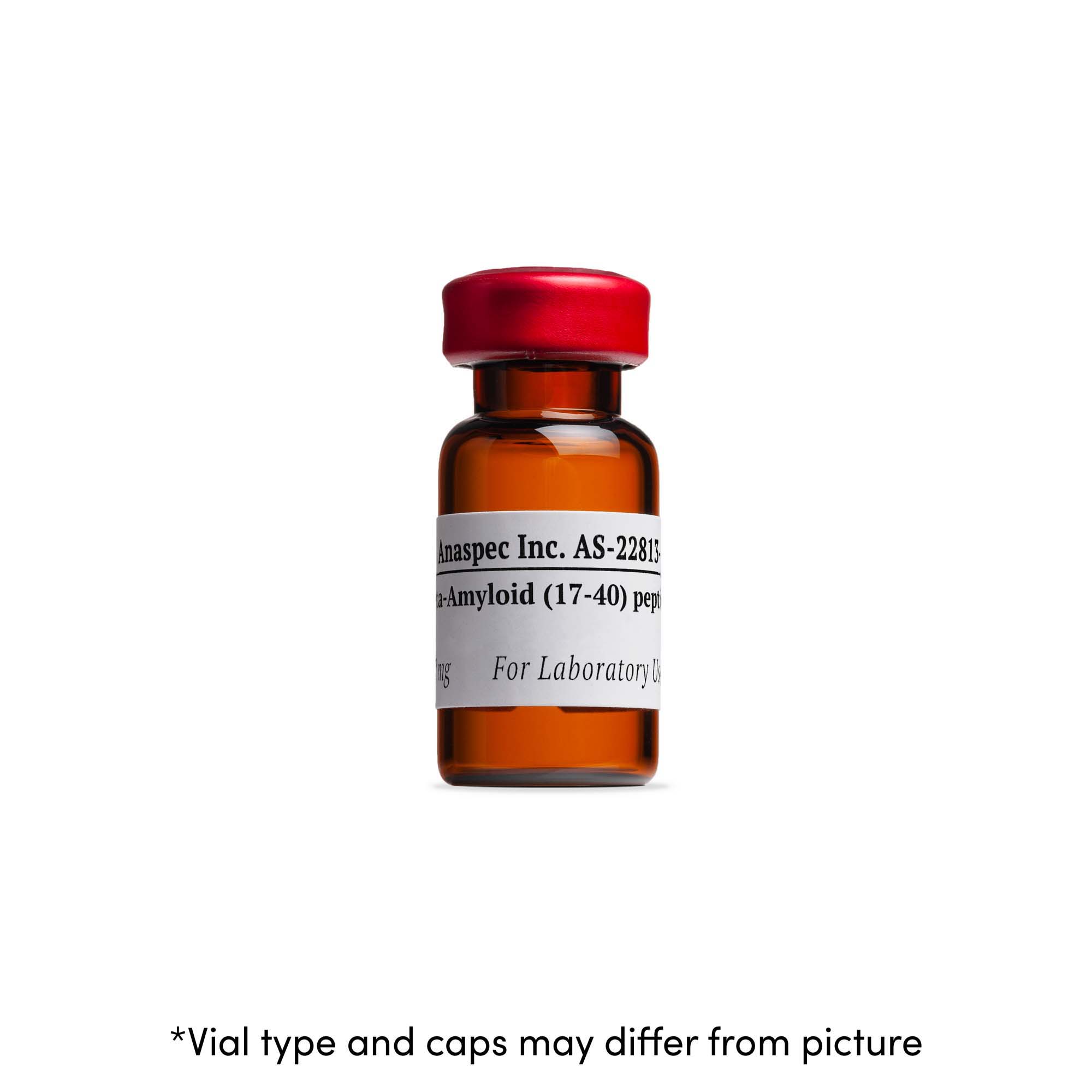
Beta-Amyloid (17-40)
Price range: $201.00 through $357.00
In Alheimer's Disease brains, plaques contain amino-terminal truncated beta-Amyloid peptides including beta-Amyloid 17-40 and 17-42.
Overview
Beta-Amyloid (17-40) is a key peptide associated with Alzheimer’s disease, characterized by its presence in the plaques found in the brains of affected individuals. This peptide, along with its truncated counterpart beta-Amyloid 17-42, plays a significant role in the pathology of the disease. Research has linked these beta-Amyloid peptides to the induction of pro-inflammatory cytokines and chemokines, both in vitro and in vivo. If you’re studying Alzheimer’s disease or related neurodegenerative conditions, our Beta-Amyloid (17-40) peptide is an essential resource for your research.
Key Features
- Available in high purity, ideal for research applications.
- Linked to the production of pro-inflammatory markers, providing insights into Alzheimer’s pathology.
- Supports studies on neuroinflammation and neurodegenerative diseases.
- Compatible with various assay kits for enhanced detection and labeling.
- Reliable source for peptide synthesis and quality assurance.
Specifications
| Property | Details |
|---|---|
| Peptide Name | Beta-Amyloid (17-40) |
| Category | Peptides |
| Purity | ≥ 95% |
| Storage Conditions | -20°C |
FAQ
What is Beta-Amyloid (17-40) used for?
This peptide is primarily used in research related to Alzheimer’s disease. It helps elucidate the mechanisms of plaque formation and neuroinflammation.
How should I store Beta-Amyloid (17-40)?
We recommend storing the peptide at -20°C to maintain its stability and integrity over time.
Can I use Beta-Amyloid (17-40) in my assays?
Yes, this peptide is compatible with various assay kits, such as the PKG Substrate and Autocamtide-2, enhancing your research capabilities.
For comprehensive study of neurodegenerative diseases, you may also explore our extensive range of peptides designed for complex biochemical applications. Each peptide, including Beta-Amyloid (17-40), provides a sound foundation for your experimental designs.
Related Products
| Size | 0.5 mg, 1 mg |
|---|
Be the first to review “Beta-Amyloid (17-40)”
Related products
Peptides
Peptides
Peptides
Reviews
There are no reviews yet.