
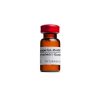
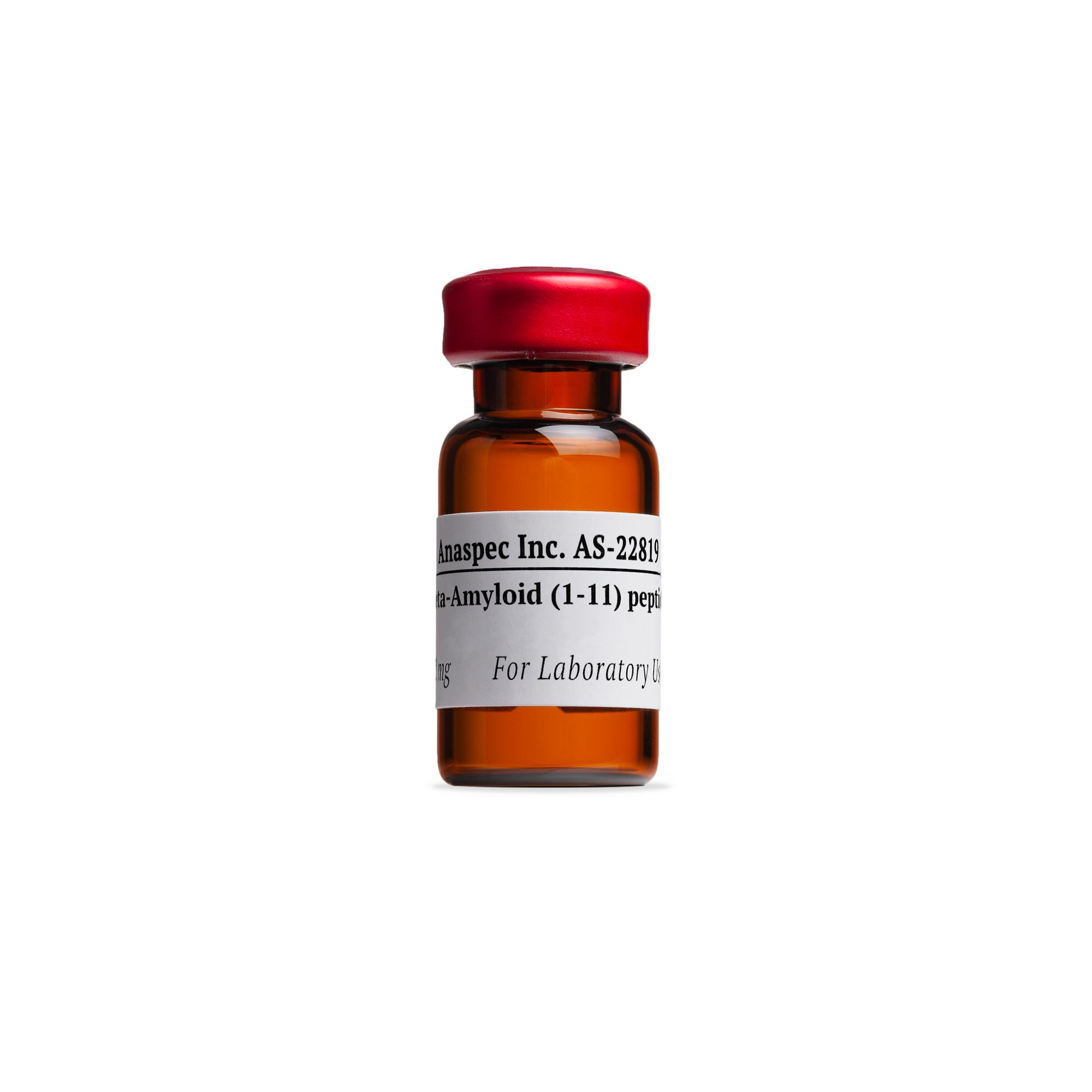
Beta-Amyloid (1-11) – 1 mg
$105.00
Anionic interaction of Aß (1-11) with Factor XII causes activation of Complement 4 system in cerebrospinal fluid of Alzheimer’s disease patients.
Overview
The Beta-Amyloid (1-11) peptide is critical in Alzheimer’s disease research, particularly due to its interaction with Factor XII, which activates the Complement 4 system in the cerebrospinal fluid of patients. This anionic interaction can lead to significant changes in the brain’s neurochemistry, making this peptide essential for researchers focusing on Alzheimer’s pathophysiology.
Key Features
- High purity and quality for reliable results
- Exact amino acid sequence: Aß (1-11)
- Facilitates crucial research in Alzheimer’s disease mechanisms
- Available in a convenient 1 mg format
- Ideal for various labeling and detection applications
Specifications
| Item | Details |
|---|---|
| Length | 11 amino acids |
| Form | Lyophilized powder |
| Purity | ≥95% (by HPLC) |
| Storage | -20°C |
FAQ
What is the significance of Beta-Amyloid (1-11) in research?
This peptide plays a pivotal role in understanding the activation of the Complement 4 system, particularly in Alzheimer’s disease, helping researchers explore potential therapeutic avenues.
How should I store Beta-Amyloid (1-11)?
To maintain its integrity, store the peptide at -20°C. Proper storage conditions are essential for preserving its activity and effectiveness.
Can I use this peptide in my assays?
Yes, the Beta-Amyloid (1-11) peptide is suitable for a variety of assays. For enhanced detection in your experiments, consider pairing it with our labeled proteins or substrates, such as our PKG Substrate and Autocamtide-2.
Explore our entire selection of peptides to find more products that complement your research needs.
Related Products
Be the first to review “Beta-Amyloid (1-11) – 1 mg”
Related products
Peptides
Peptides
Reviews
There are no reviews yet.