
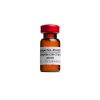
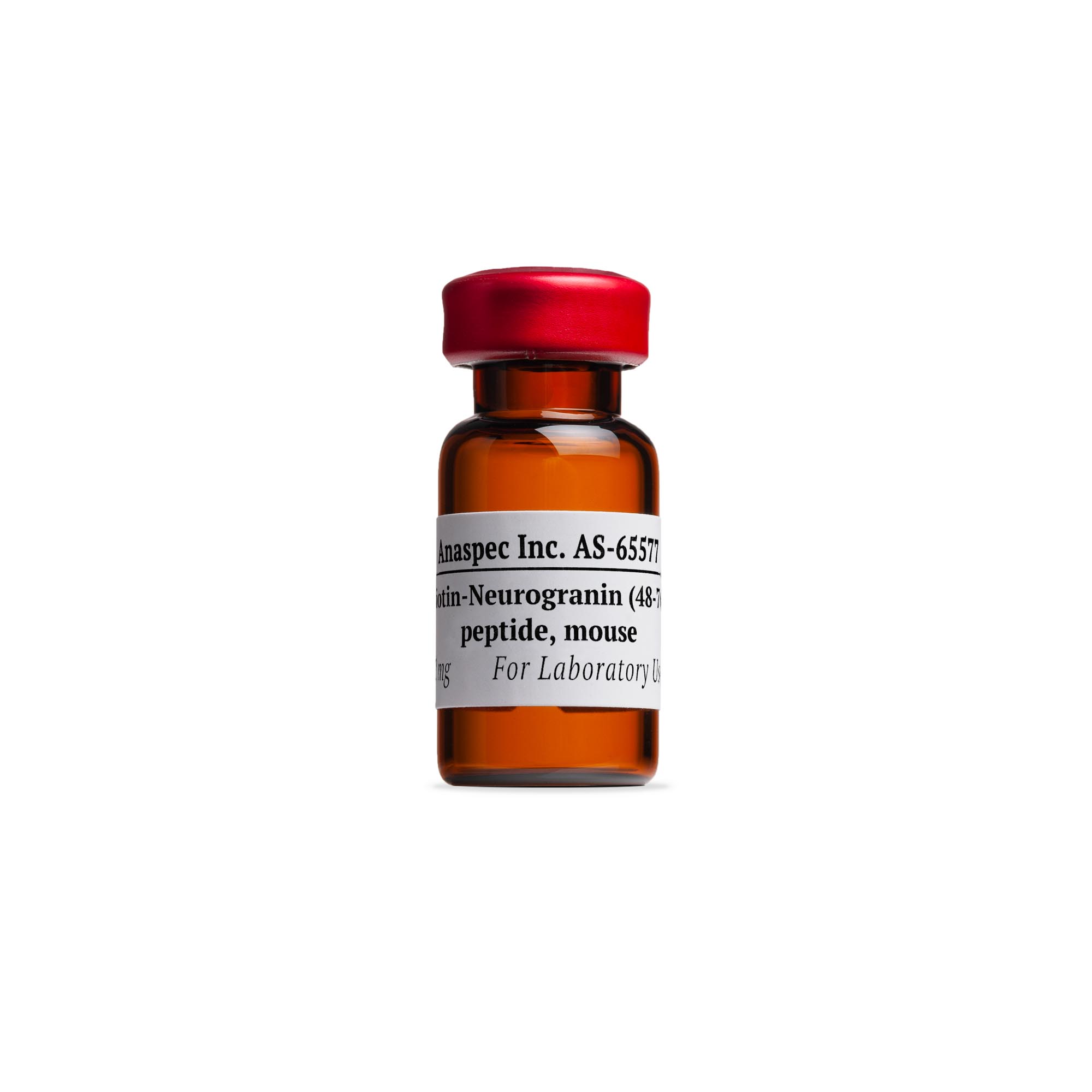
biotin-Neurogranin (48-76), mouse – 1 mg
$469.00
biotin-Neurogranin (48-76), mouse is a post synaptic protein that is expressed in dendritic cytoplasm. It modulates calcium-mediated signaling pathways.
Overview
biotin-Neurogranin (48-76), mouse is a vital post-synaptic protein found in the dendritic cytoplasm. This peptide plays a crucial role in modulating calcium-mediated signaling pathways which are fundamental to synaptic plasticity. Recent studies have highlighted biotin-Neurogranin (48-76) as a significant neurogranin fragment present in the human brain. It’s particularly noteworthy that elevated levels of this peptide have been detected in the cerebrospinal fluid of patients with Alzheimer’s Disease, indicating its potential utility in research and diagnostics related to neurodegeneration.
Key Features
- High-affinity biotinylated neurogranin peptide
- Helps in studying calcium signaling pathways
- Supports research on Alzheimer’s and synaptic plasticity
- Available in a convenient 1 mg format for easy use
- Compatible with a range of labeling and detection protocols
Specifications
| Product Name | biotin-Neurogranin (48-76), mouse |
| Format | 1 mg |
| Category | Peptides |
FAQ
What is biotin-Neurogranin (48-76) used for?
This peptide is primarily used in research to investigate its role in calcium-mediated signaling pathways and its implications in conditions like Alzheimer’s disease.
How should I store biotin-Neurogranin (48-76)?
It is recommended to store this peptide at -20°C to maintain its stability and activity over time.
Can I use biotin-Neurogranin (48-76) in my experiments?
Yes, it is designed for use in various experimental setups, including those involving protein labeling and detection.
If you’re looking to enhance your research on neurological indicators or require high-quality peptides, consider adding biotin-Neurogranin (48-76) to your lab’s toolkit. Explore our full range of peptides for complementary products that can support your studies.
Related Products
Be the first to review “biotin-Neurogranin (48-76), mouse – 1 mg”
Related products
Peptides
Peptides
Peptides
Reviews
There are no reviews yet.