
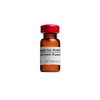
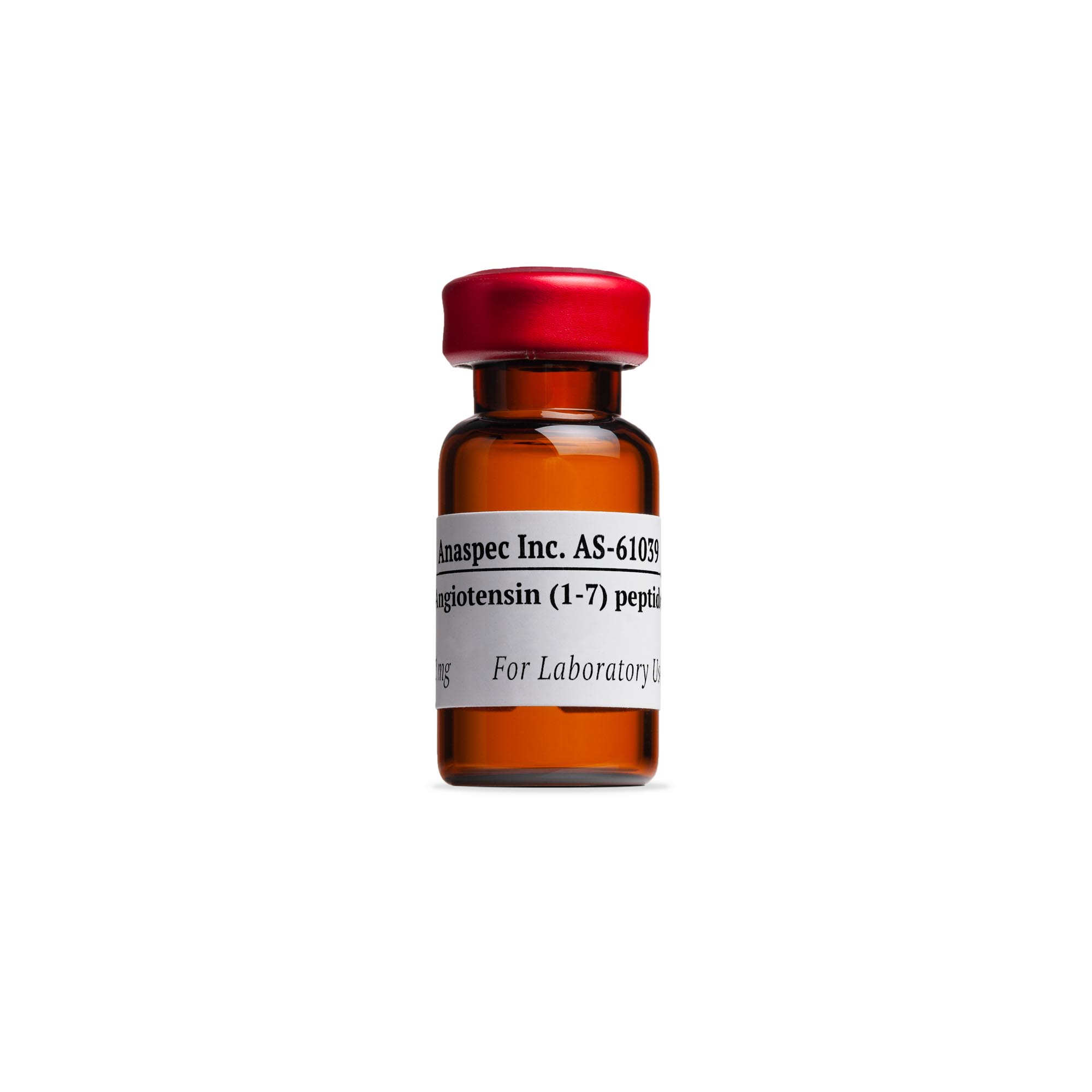
Angiotensin (1-7) – 1 mg
$105.00
Angiotensin or Ang (1-7), DRVYIHP, cleavage product from Ang I or Ang II, a vasodilator, inhibitor of protein synthesis or a natriuretic agent.
Overview
Angiotensin (1-7), known as Ang (1-7) or by its sequence DRVYIHP, is a significant cleavage product derived from Angiotensin I or Angiotensin II. This peptide plays a crucial role in cardiovascular health and is recognized for its properties as a vasodilator, an inhibitor of protein synthesis, and a natriuretic agent. Ang (1-7) interacts with the G-protein coupled receptor Mas, contributing to various physiological processes. If you’re researching or developing applications related to hypertension or cardiac function, consider incorporating Angiotensin (1-7) into your study or product development.
Key Features
- Highly pure Angiotensin (1-7) available in a 1 mg vial.
- Essential for studies on cardiovascular health and related conditions.
- Acts through the Mas receptor, influencing various physiological responses.
- Offers potential in therapeutic applications related to vasodilation.
- Part of a broader category of Peptides for biochemical research.
Specifications
| Product Name | Angiotensin (1-7) |
|---|---|
| Amount | 1 mg |
| Category | Peptides |
| Sequence | DRVYIHP |
| Function | Vasodilator, natriuretic agent |
FAQ
What is Angiotensin (1-7) used for?
Angiotensin (1-7) is primarily used in research related to cardiovascular health, particularly in studies examining its effects as a vasodilator and natriuretic agent.
How should Angiotensin (1-7) be stored?
Store Angiotensin (1-7) in a cool, dry place, and protect it from light to maintain its stability and efficacy.
Can I use Angiotensin (1-7) in my experiments related to protein synthesis?
Yes, Angiotensin (1-7) may be beneficial in experiments designed to explore its role in inhibiting protein synthesis and its implications for various health conditions.
Explore our collection of Peptides to find other relevant products that can complement your research.
Related Products
Be the first to review “Angiotensin (1-7) – 1 mg”
Related products
Peptides
Peptides
Peptides
Peptides
Reviews
There are no reviews yet.