
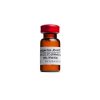
Amylin (8-37), rat, mouse – 1 mg
$327.00
Amylin (8-37), a truncated peptide of rat amylin, acts as a specific amylin antagonist, blocks amylin-induced inhibition of glycogen synthesis in muscle.
Overview
Amylin (8-37) is a critical peptide for researchers studying metabolic processes in both rats and mice. This truncated version of rat amylin operates as a specific amylin antagonist. By blocking the amylin-induced inhibition of glycogen synthesis in muscle, it provides valuable insights into insulin sensitivity and lipid metabolism. If you’re investigating metabolic dynamics or insulin resistance, this peptide could be a vital addition to your research toolkit.
Key Features
- Truncated peptide of native rat amylin
- Acts as a specific amylin antagonist
- Blocks amylin-induced inhibition of glycogen synthesis
- Increases whole body and muscle insulin sensitivity
- Reduces basal insulin levels in insulin-resistant models
- Affects in-vivo lipid metabolism
Specifications
| Parameter | Value |
|---|---|
| Product Name | Amylin (8-37), rat, mouse |
| Quantity | 1 mg |
| Category | Peptides |
FAQ
What is Amylin (8-37) used for?
Amylin (8-37) is primarily used in research to understand how it influences glycogen synthesis and insulin sensitivity in metabolic studies involving rats and mice.
How does Amylin (8-37) affect insulin levels?
This peptide has been shown to lower basal insulin levels, making it useful in studies focused on insulin resistance and type 2 diabetes.
Can I use Amylin (8-37) in in-vitro studies?
Yes, Amylin (8-37) is effective in in-vitro studies, particularly in isolated muscle tissues, where it demonstrates significant effects on glycogen synthesis.
If you’re looking for high-quality peptides for your research, Amylin (8-37) is available in our Peptides section. Explore our range of products like PKG Substrate and Autocamtide-2 for your specific research needs.
Related Products
Be the first to review “Amylin (8-37), rat, mouse – 1 mg”
Related products
Peptides
Reviews
There are no reviews yet.