
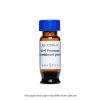
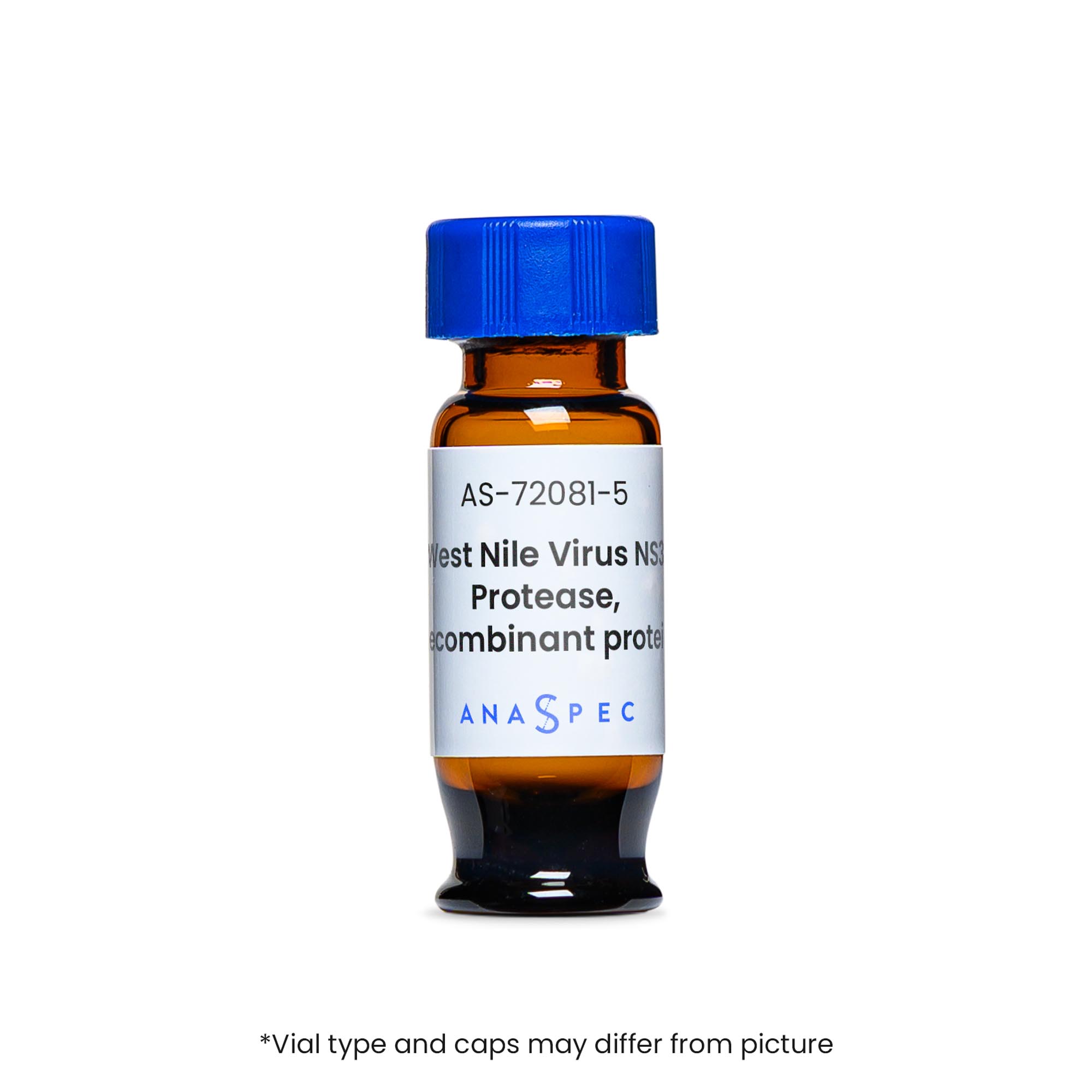
West Nile Virus NS3 Protease, recombinant
$109.00
West Nile Virus NS3 Protease, recombinant is absolutely essential (with viral-encoded cofactor NS2B) for post-translational cleavage and viral replication.
Overview
Introducing the recombinant West Nile Virus NS3 Protease, an essential component for research into the mechanisms of viral replication. This protease functions alongside the viral-encoded cofactor NS2B, playing a critical role in the post-translational cleavage of polyproteins, which is vital for producing functional proteins essential for viral life cycles. Understanding the function of the West Nile virus (WNV) NS3 Protease is crucial for developing antiviral strategies and diagnostics, making this product a valuable addition to your laboratory.
Key Features
- Recombinant protein designed for reliable research applications
- Essential for studying post-translational cleavage in virus replication
- High purity and activity for consistent performance
- Supports a range of biochemical assays and research methodologies
- Compliments products like recombinant human MOG (1-125) and EndoClear™ Plus human recombinant a-Synuclein protein
Specifications
| Specification | Details |
|---|---|
| Source | Recombinant |
| Target | West Nile Virus NS3 Protease |
| Cofactor | NS2B |
| Purity | High |
| Application | Viral replication studies |
FAQ
What is the significance of West Nile Virus NS3 Protease?
West Nile Virus NS3 Protease is crucial for the cleavage of viral polyproteins, which directly impacts viral replication and maturation, making it a key target for antiviral research.
How is this protease used in research?
Researchers employ the West Nile Virus NS3 Protease in various assays to study its function and interaction with other viral proteins, which can inform the development of therapeutics.
Is the product suitable for all lab environments?
Yes, the high purity and reliability of our recombinant NS3 Protease make it suitable for a wide range of laboratory applications, from basic research to diagnostics.
For comprehensive studies on viral mechanisms, consider exploring our catalog of recombinant proteins, including Catalog recombinant options that may complement your research.
Related Products
Browse more in Catalog recombinant.
| Size | 5 µg |
|---|
Be the first to review “West Nile Virus NS3 Protease, recombinant”
Related products
Catalog recombinant

Catalog recombinant
Catalog recombinant
Reviews
There are no reviews yet.