
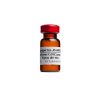
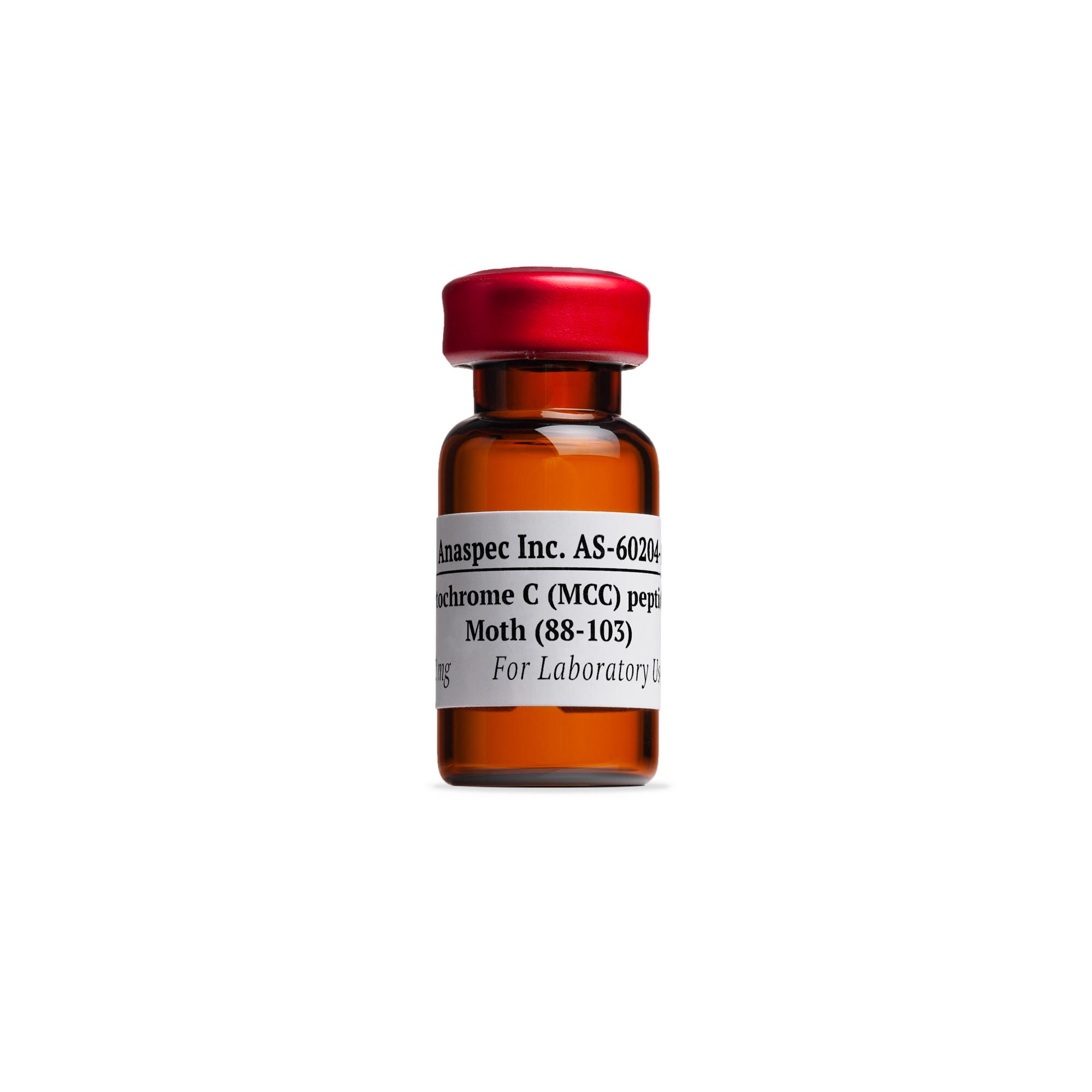
Cytochrome C (MCC), Moth (88-103) – 1 mg
$140.00
Cytochrome C (MCC), Moth (88-103) is derived from the carboxyl terminus of moth MCC and pigeon cytochrome c plays a major role in T-cell selection.
Overview
Cytochrome C (MCC), Moth (88-103) is a highly specialized peptide derived from the carboxyl terminus of moth MCC, which plays a crucial role in T-cell selection. Research shows that this peptide can induce positive selection of T-cell receptor (TCR) transgenic thymocytes, making it valuable for immunological studies and applications. If you’re looking to explore T-cell dynamics in your work, this peptide could be an essential component of your research toolkit.
Key Features
- Derived from the carboxyl terminus of moth MCC (88-103).
- Supports T-cell selection processes.
- Induces positive selection of TCR transgenic thymocytes.
- Ideal for use in immunology and related fields.
- Available in a convenient 1 mg unit.
Specifications
| Product Name | Cytochrome C (MCC), Moth (88-103) |
| Category | Peptides |
| Net Weight | 1 mg |
FAQ
What is Cytochrome C (MCC) used for?
This peptide is primarily used in immunological research to explore T-cell dynamics, particularly in T-cell selection processes.
How can I properly store this peptide?
For optimal stability, store Cytochrome C (MCC), Moth (88-103) in a cool, dry place, preferably at -20 degrees Celsius.
Can I use this peptide in my laboratory experiments?
Yes, this peptide is suitable for laboratory use, especially in studies focused on T-cell functions. For diverse peptide options, browse our range of peptides.
When you’re ready to enhance your research with reliable and effective peptides, consider adding Cytochrome C (MCC), Moth (88-103) to your inventory. Order today to access a valuable asset for your immunological investigations.
Related Products
Be the first to review “Cytochrome C (MCC), Moth (88-103) – 1 mg”
Related products
Peptides
Peptides
Peptides
Peptides

Reviews
There are no reviews yet.