
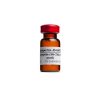
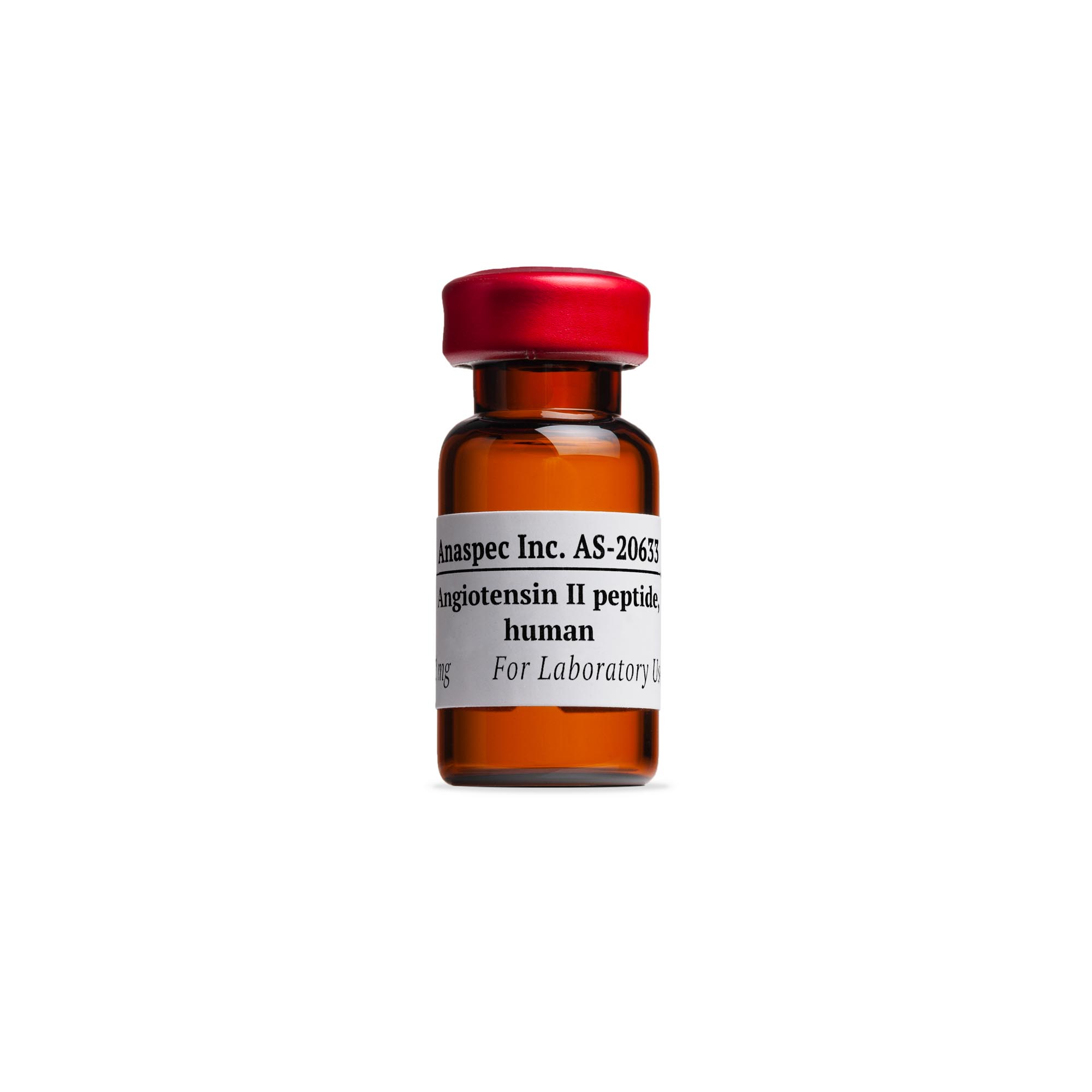
Angiotensin II
Price range: $66.00 through $188.00
The octapeptide angiotensin II (Ang II) exerts a wide range of effects on the cardiovascular system, implicated in the regulation of cell proliferation.
Overview
Angiotensin II, an octapeptide also known as Ang II, plays a vital role in the cardiovascular system. With its involvement in regulating blood pressure and fluid balance, it presents significant biological importance, especially in studies related to hypertension and heart failure. This peptide is generated through the enzymatic cleavage of Angiotensin I by the angiotensin-converting enzyme (ACE) or by chymases. The process yields not only Angiotensin II but also His-Leu, emphasizing the complexity and significance of its contribution to cardiovascular health.
Key Features
- Biologically active peptide crucial for cardiovascular research.
- Impacts cell proliferation, fibrosis, and apoptosis.
- Essential for understanding hypertension and heart-related studies.
- Produced through the cleavage of Angiotensin I, showcasing its biochemical pathway.
Specifications
| Product Name | Angiotensin II |
| Peptide Sequence | Angiotensin II (octapeptide) |
| Use | Research and assay applications |
| Form | Powder |
FAQ
What is Angiotensin II used for?
Angiotensin II is primarily used in research to understand its effects on blood pressure regulation, cell growth, and other cardiovascular functions.
How is Angiotensin II synthesized?
Angiotensin II is synthesized from Angiotensin I through the action of ACE or chymases, a key step in the renin-angiotensin system.
What applications can benefit from Angiotensin II?
This peptide is beneficial in various applications, including drug development, studies on cardiovascular diseases, and physiological research.
Explore more about our PKG Substrate and Autocamtide-2 to enhance your research with high-quality peptides. For a more specific peptide application, check out CREBtide.
Browse more in Peptides.
| Size | 25 mg, 5 mg |
|---|
Be the first to review “Angiotensin II”
Related products
Peptides
Peptides
Peptides
Peptides
Reviews
There are no reviews yet.