
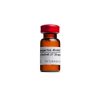
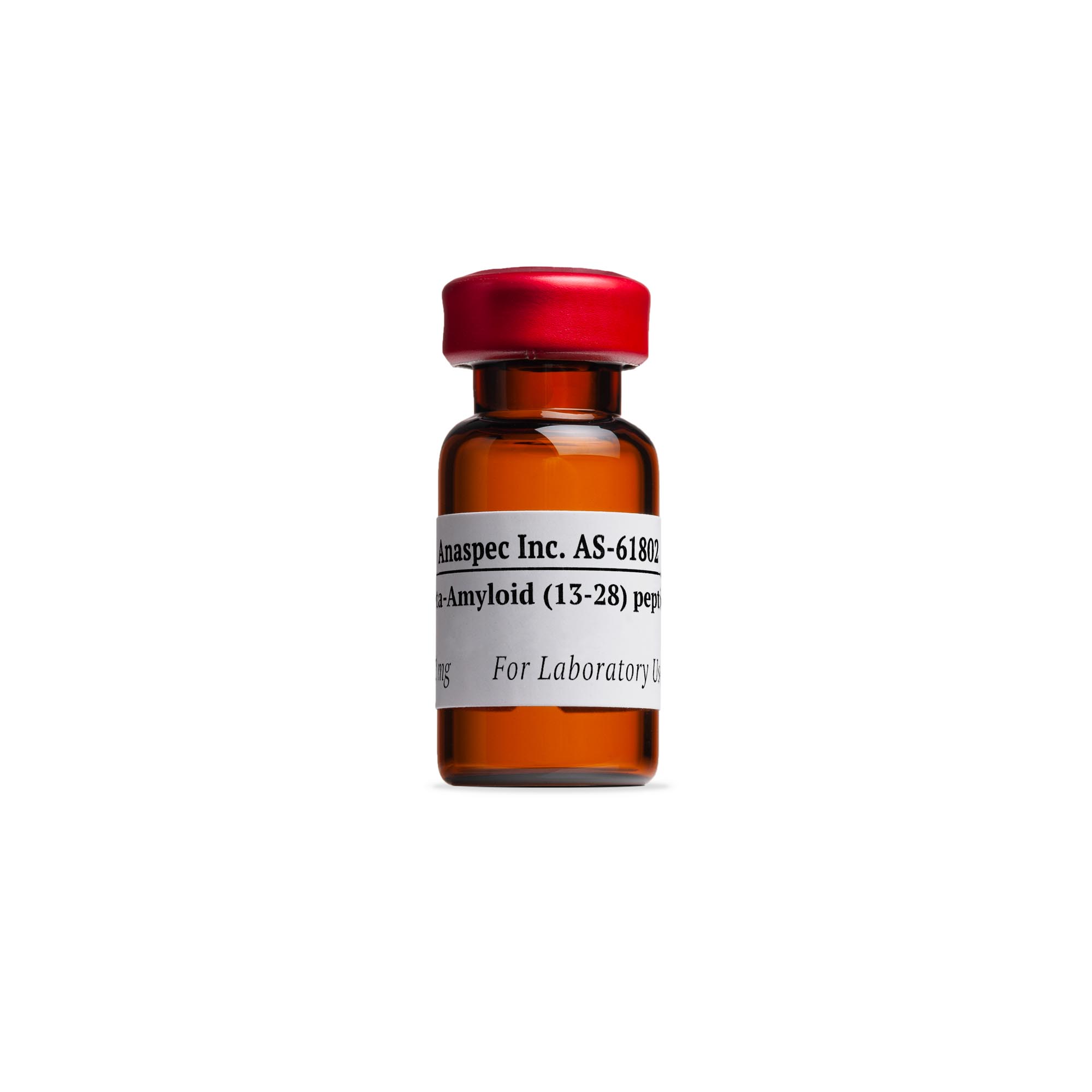
Beta-Amyloid (13-28) – 1 mg
$140.00
Beta-Amyloid (13-28) is an amyloid peptide 13 to 27 amino acid residues that was used to study the kinetics of Aß formation.
Overview
Beta-Amyloid (13-28) is an amyloid peptide comprising amino acid residues 13 to 28. This peptide is crucial for studying the kinetics of β-amyloid formation, which plays a significant role in neurodegenerative diseases like Alzheimer’s. If you’re focused on researching amyloid peptides, this product is a must-have for your lab. You can confidently utilize it to gain insights into the mechanisms behind amyloid aggregation and its implications in various neurological disorders.
Key Features
- High purity for reliable experimental results
- Purity of 95% or greater ensures minimal contaminants
- Freeze-dried powder format for easy handling and storage
- Compatible with a variety of assays including ELISA and western blotting
- Ideal for in vitro studies of amyloid formation kinetics
Specifications
| Property | Value |
|---|---|
| Catalog Number | Beta-Amyloid (13-28) |
| Size | 1 mg |
| Purity | ≥95% |
| Format | Freeze-dried powder |
FAQ
What is the main application of Beta-Amyloid (13-28)?
This peptide is primarily used for research into the kinetics of β-amyloid formation, providing insights into Alzheimer’s disease pathophysiology.
How should I store Beta-Amyloid (13-28)?
Store the freeze-dried powder at -20°C for optimal stability and to prevent degradation over time.
What assays can I use with this peptide?
Beta-Amyloid (13-28) can be used in various assays, including ELISA and western blotting, making it versatile for your research needs. For additional peptide resources, check out our catalog of peptides.
This peptide is an essential tool for researchers exploring amyloid pathology. Beta-Amyloid (13-28) is for sale now, so don’t miss out on the opportunity to enhance your studies. Order today and integrate this high-quality peptide into your research arsenal!
Related Products
Be the first to review “Beta-Amyloid (13-28) – 1 mg”
Related products
Peptides
Peptides
Reviews
There are no reviews yet.