
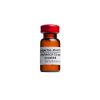
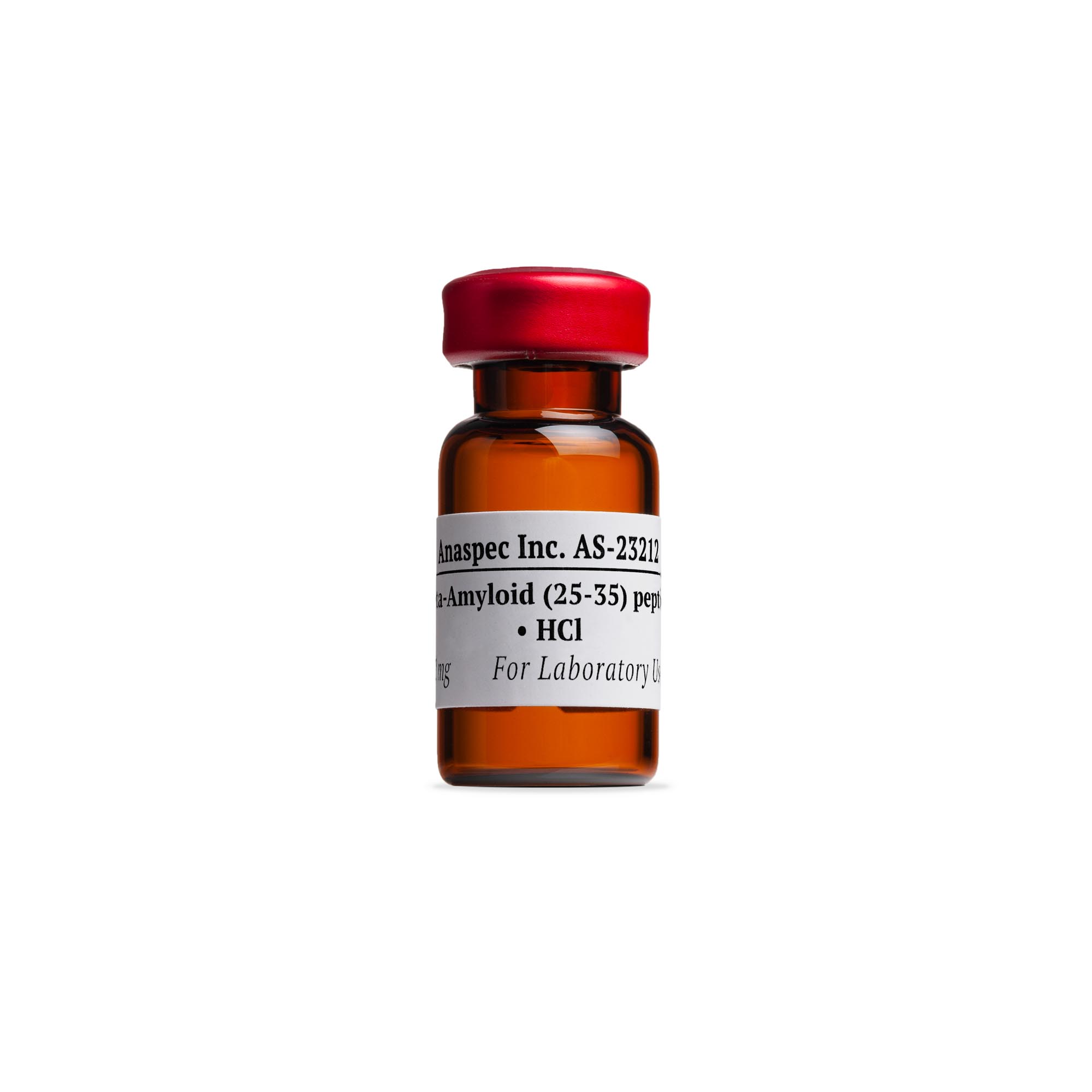
Beta-Amyloid (25-35) • HCl – 5 mg
$422.00
Beta-Amyloid (25-35) • HCl. All the HCl salt forms of Aß (1-40), Aß (25-35) and D-Ser26 Aß (25-35), take the ß-structure within a few hours in PBS.
Overview
Beta-Amyloid (25-35) • HCl is a vital peptide for your research into neurological and physiological indicators. This HCl salt form effectively adopts a ß-structure within hours when dissolved in phosphate-buffered saline (PBS). It’s crucial for studying fibril formation and the toxic effects on cultured neurons, particularly in the hippocampus. If you’re investigating Alzheimer’s disease or related neurodegenerative conditions, this peptide provides essential insights into amyloid-beta pathology.
Key Features
- Formulates fibrils that are significant in Alzheimer’s research
- Induces toxic effects on hippocampal neurons
- Inhibits the MTT reduction activity of non-neuronal cells without cytotoxicity
- Available in a convenient 5 mg package
- Compatible with various lab applications, including our PKG Substrate
Specifications
| Product | Beta-Amyloid (25-35) • HCl |
|---|---|
| Form | Peptide Salt |
| Weight | 5 mg |
| Application | Neuroscience Research |
FAQ
What is Beta-Amyloid (25-35) used for?
This peptide is primarily used in research related to Alzheimer’s disease and helps in understanding amyloid fibril formation and toxicity.
How should I store this peptide?
For optimal stability, store Beta-Amyloid (25-35) • HCl at -20°C and protect it from light. Reconstituted samples should be used promptly or stored under recommended conditions.
Can I use this with other peptides?
Absolutely! Beta-Amyloid (25-35) can be used alongside various other peptides, like Autocamtide-2 or CREBtideto enhance your experimental designs.
Explore our full collection of peptides for diverse applications in your laboratory, including those that aid in protein labeling and fluorescent detection.
Browse more in Peptides.
Be the first to review “Beta-Amyloid (25-35) • HCl – 5 mg”
Related products
Peptides
Peptides
Peptides
Reviews
There are no reviews yet.