
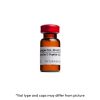
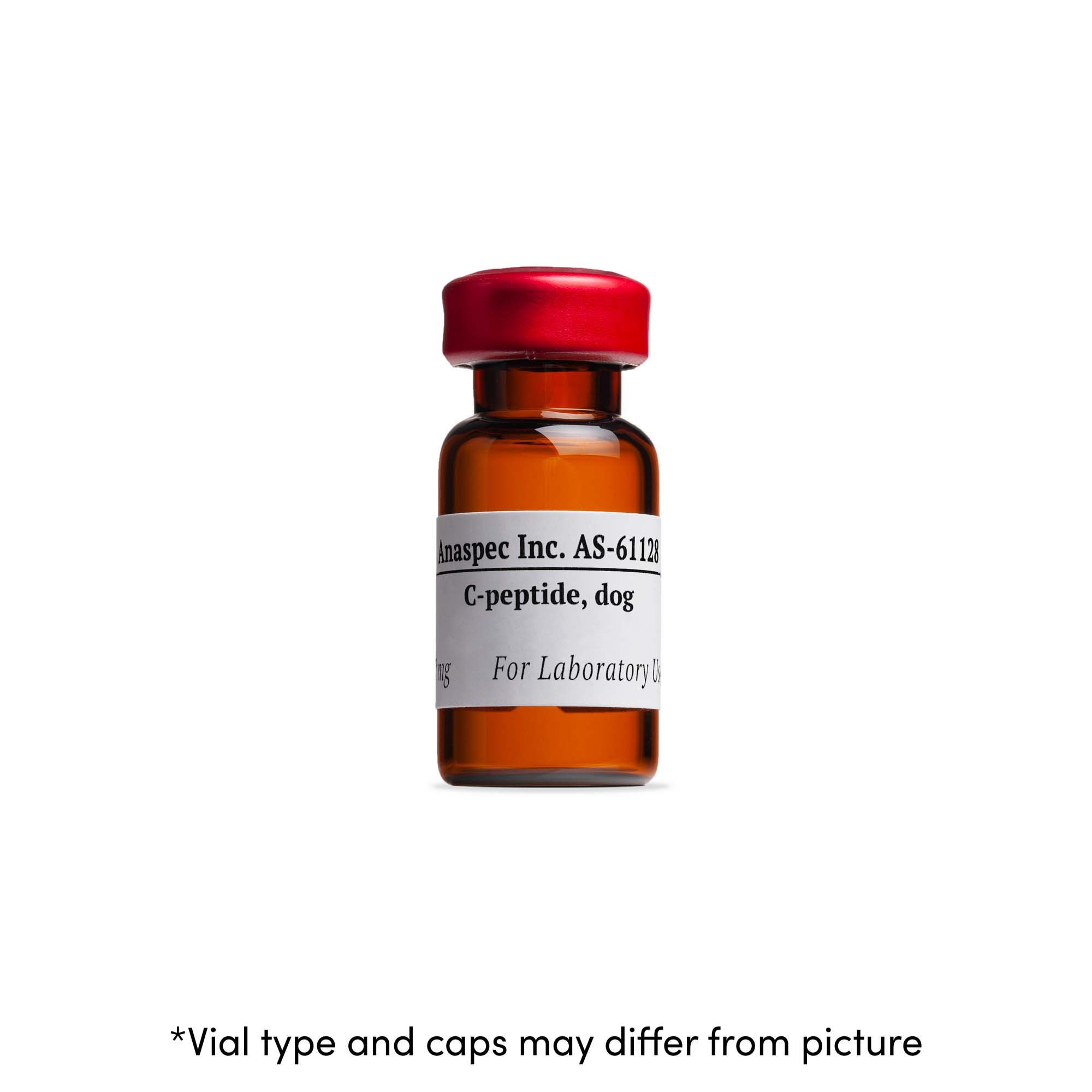
C-peptide, dog – 0.5 mg
$210.00
Plasma C-peptide concentrations during glucagon stimulation testing is variable in diabetic dogs, represents dogs with type-1 and type-2 diabetes.
Overview
If you’re looking to explore the intricacies of canine diabetes, our C-peptide, dog – 0.5 mg can be an invaluable addition to your research toolkit. C-peptide serves as a crucial marker for evaluating insulin secretion in dogs, particularly in diabetic cases. By measuring C-peptide concentrations, you can gain insights into the insulin secretory rates of diabetic dogs, assisting in the assessment of type-1 and type-2 diabetes. This product is especially useful during glucagon stimulation testing, where variations in plasma C-peptide concentrations provide critical data about b-cell functionality.
Key Features
- Precise measurement for insulin secretion estimation
- Supports research on type-1 and type-2 diabetes in dogs
- Facilitates glucagon stimulation testing
- High purity to ensure reliable results
- Convenient packaging for easy handling
Specifications
| Product | C-peptide, dog |
| Size | 0.5 mg |
| Category | Peptides |
| Storage | Store at -20°C |
FAQ
What is C-peptide used for in dogs?
C-peptide is a vital biomarker for assessing insulin secretion in dogs. It enables researchers and veterinarians to evaluate the insulin secretory rate, which is important for understanding diabetes management.
How should I store C-peptide?
To maintain its integrity, store C-peptide at -20°C. Proper storage conditions ensure that the product remains stable and effective for your research needs.
Can I use C-peptide for glucagon stimulation testing?
Yes, C-peptide is specifically useful during glucagon stimulation tests, where it helps identify variations in insulin secretion among diabetic dogs, providing valuable data for diagnosis and treatment planning.
For those investing in comprehensive research, consider our other peptide options, including PKG Substrate and Autocamtide-2. Enhance your studies by exploring our collection of peptides for even more insightful results.
Related Products
Be the first to review “C-peptide, dog – 0.5 mg”
Related products
Peptides
Peptides
Reviews
There are no reviews yet.