
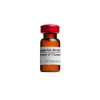
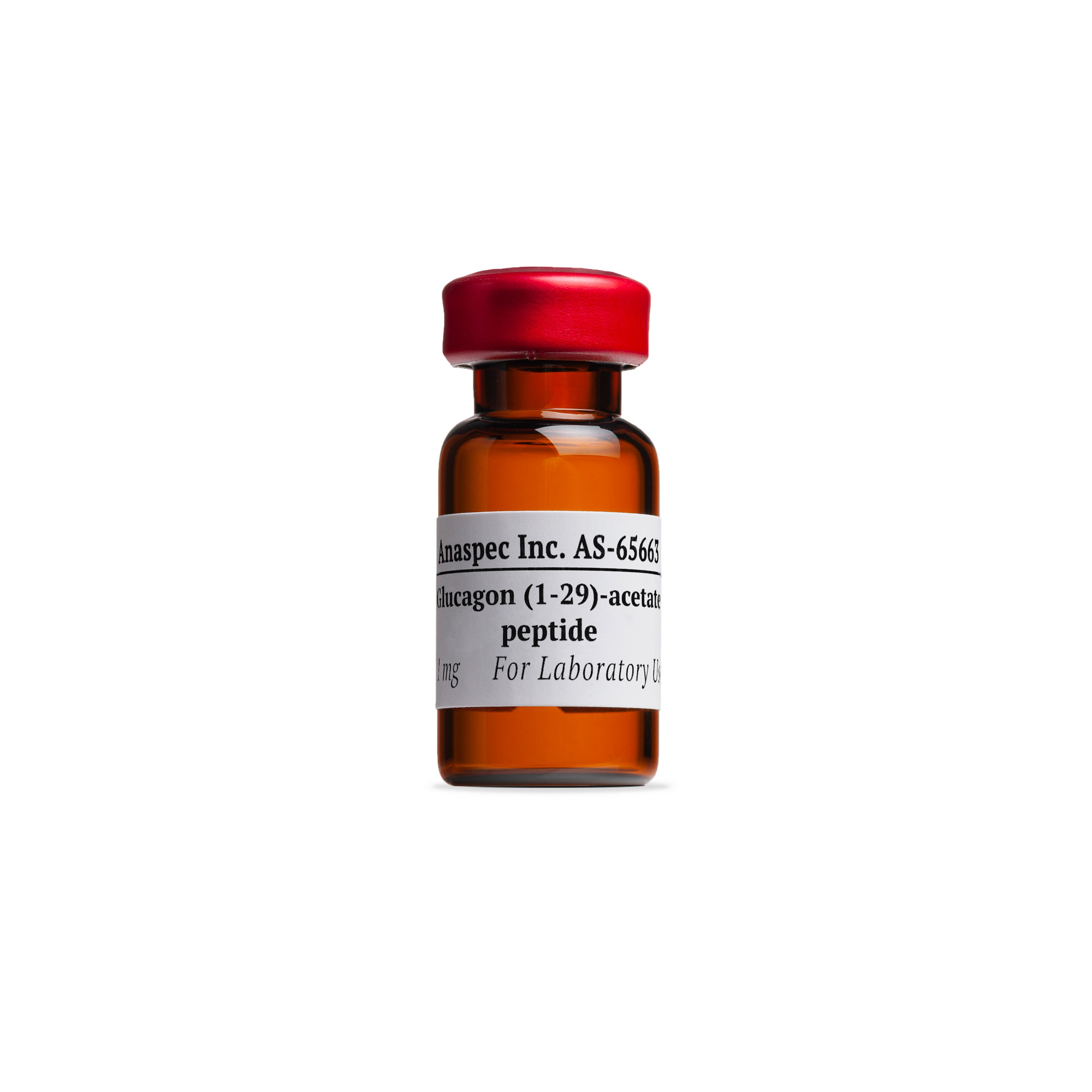
Glucagon (1-29)-acetate, 1mg
$188.00
Glucagon (1-29)-acetate – 1 mg
Overview
The Glucagon (1-29)-acetate, with a concentration of 1 mg, is a crucial peptide hormone that plays a significant role in glucose metabolism. Secreted by the pancreatic Islet of Langerhans alpha-cells, glucagon is released when blood glucose levels drop. This peptide acts on hepatic enzymes to stimulate glucose production and promote glycogen synthesis, making it essential for maintaining normal blood sugar levels. Understanding glucagon’s function is particularly important in studying conditions such as type 2 diabetes, where elevated glucagon levels can lead to metabolic dysregulation and hyperglycemia.
Key Features
- Purity: High purity ensures effective activity and reliable results.
- Storage: Stable under appropriate conditions to maintain integrity.
- Research Applications: Suitable for studies in metabolic regulation, diabetes research, and hormone signaling.
- Easy Handling: Comes in a convenient form for straightforward use in various assays.
- Compatible: Works well with our peptide analysis tools and kits, enhancing experimental outcomes.
Specifications
| Property | Details |
|---|---|
| Catalog Number | GLC-1-29-AC |
| Concentration | 1 mg |
| Storage Conditions | -20°C |
| Origin | Synthetic |
FAQ
What is Glucagon used for in research?
Glucagon is primarily used in research to understand its role in glucose metabolism and its effects on blood sugar levels, especially in the context of diabetes.
How should I store Glucagon (1-29)-acetate?
To maintain the integrity of Glucagon (1-29)-acetate, store it at -20°C, avoiding repeated freeze-thaw cycles.
Can I use Glucagon with other peptides?
Yes, Glucagon can be used alongside other peptides to study their combined effects on metabolic pathways and hormone regulation. For enhanced research, consider our selection of peptides that complement glucagon studies.
Whether you’re investigating the intricacies of glucose metabolism or seeking reliable assay kits, our Glucagon (1-29)-acetate is a valuable addition to your research toolkit. Don’t miss out on the opportunity to explore its effects and applications in peptide research.
Related Products
Be the first to review “Glucagon (1-29)-acetate, 1mg”
Related products
Peptides
Peptides
Reviews
There are no reviews yet.