
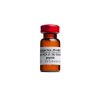
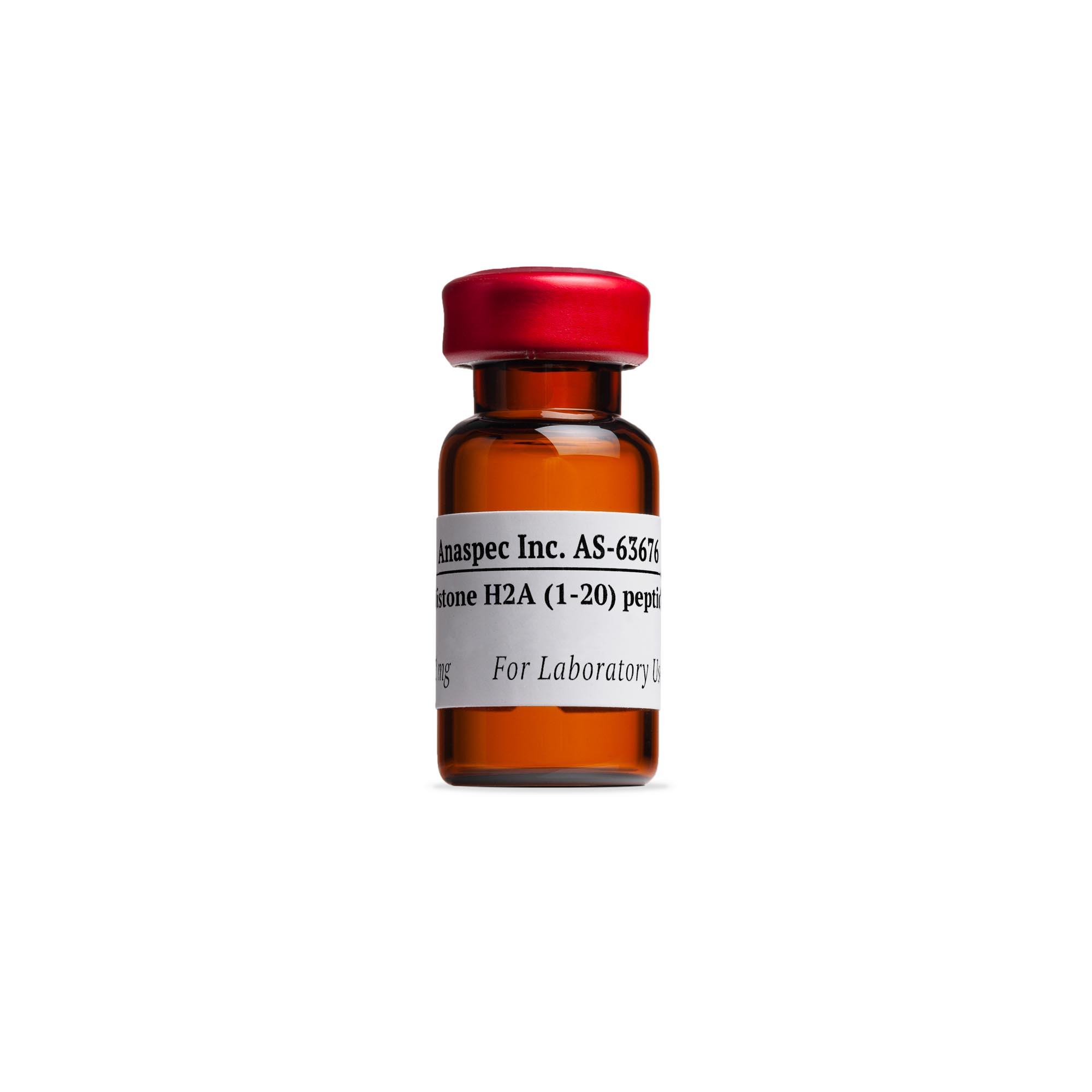
Histone H2A (1-20) – 1 mg
$172.00
Histone H2A (1-20), one of the core histones DNA associates with to form nucleosome. C-terminal end is exposed for potential covalent modifications.
Overview
Histone H2A (1-20) is a crucial peptide that plays a significant role in the structure of nucleosomes, which are essential for DNA packaging within the cell nucleus. This specific peptide represents the first 20 amino acids of the H2A protein, one of the core histones that DNA associates with to form nucleosomes. Remarkably, its C-terminal end is exposed and available for potential covalent modifications, making it a valuable tool for research in epigenetics and molecular biology.
Key Features
- Derived from the core histone H2A, crucial for nucleosome formation
- C-terminal end is exposed for potential modifications
- Ideal for studies involving histone modifications and gene regulation
- Purity: High-quality synthesis ensuring reliability in experiments
- Available in a convenient 1 mg size for easy handling
Specifications
| Attribute | Details |
|---|---|
| Category | Peptides |
| Size | 1 mg |
| Sequence | H2A (1-20) |
| Purity | High |
FAQ
What applications can Histone H2A (1-20) be used for?
This peptide is ideal for studying histone modifications, gene regulation, and other processes related to chromatin structure and function. Its exposed C-terminal end allows for various chemical modifications, making it suitable for a range of experimental needs.
How should I store Histone H2A (1-20)?
To maintain peptide stability, store in a cool, dry place at -20°C or lower. Ensure it is kept in a tightly sealed container to prevent degradation.
Is there a recommended use protocol for this peptide?
While specific protocols can vary based on the intended application, we recommend starting with low concentrations and optimizing according to your experimental setup. Refer to our other peptides, like Autocamtide-2 and CREBtidefor inspiration on usage.
Order your Histone H2A (1-20) today to advance your research in histone biology and epigenetics. For more peptides, browse our collection of peptides and discover what fits your needs best.
Related Products
Be the first to review “Histone H2A (1-20) – 1 mg”
Related products
Peptides
Peptides
Peptides
Reviews
There are no reviews yet.