
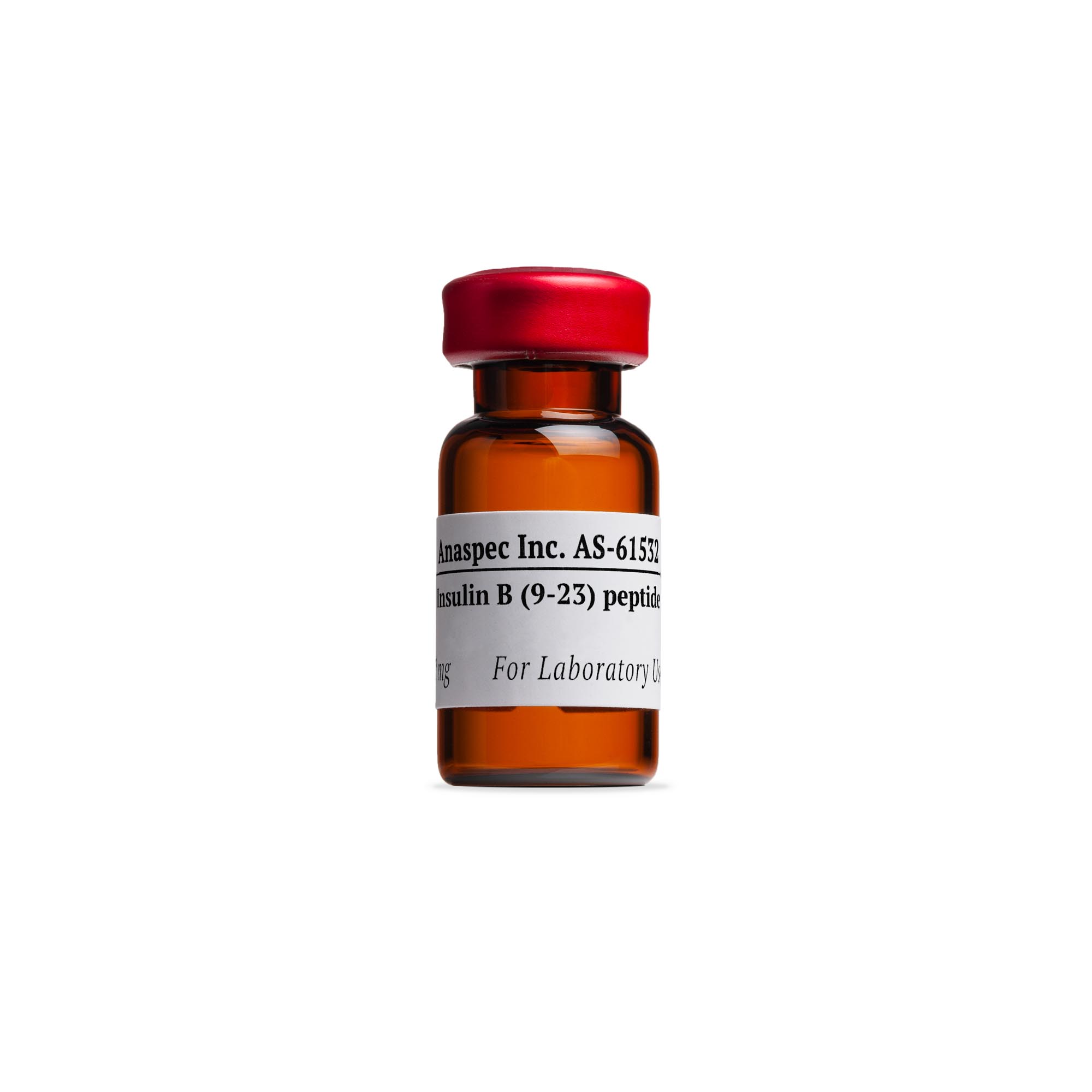
Insulin B (9-23) – 1 mg
$162.00
Insulin B (9-23). insulin B-chain peptide binds to class II histocompatibility complex (MHC) allele I-Ag7. Autoimmune diseases inked class II proteins.
Overview
The Insulin B (9-23) peptide is crucial for research in autoimmune diseases, particularly type 1 diabetes. This specific insulin B-chain peptide binds effectively to the class II histocompatibility complex (MHC) allele known as I-Ag7, which has been implicated in the development of certain autoimmune conditions. Type 1 diabetes is a T cell-mediated disorder leading to the destruction of pancreatic ß cells, causing elevated blood glucose levels. The Insulin B peptide serves as a potential self-antigen candidate that may trigger this autoimmune response. Before you begin your research, explore our selection of peptides to find additional resources that suit your needs.
Key Features
- Purity: High purity ensures reliable results in your experimental setups.
- Targeted Binding: Specifically binds to MHC allele I-Ag7 for accurate research outcomes.
- Research Utility: Valuable for studies related to autoimmune diseases, particularly type 1 diabetes.
- Ready to Use: Comes in a convenient 1 mg format for easy integration into your assays.
Specifications
| Property | Details |
|---|---|
| Product Name | Insulin B (9-23) |
| Concentration | 1 mg |
| Category | Peptides |
| Binding Target | Class II MHC (I-Ag7) |
FAQ
What is the significance of the Insulin B (9-23) peptide?
This peptide plays a vital role in understanding T cell-mediated autoimmune diseases, especially type 1 diabetes, by potentially acting as a self-antigen.
How should I store the Insulin B (9-23) peptide?
For optimal stability, the peptide should be stored at -20°C and protected from light exposure.
Can I use this peptide in vivo studies?
The Insulin B (9-23) peptide is primarily designed for in vitro research, but it has been used in animal models to further investigate its role in autoimmune responses.
With the Insulin B (9-23) peptide, you’re equipped with a reliable tool for advancing your research into autoimmune diseases. Don’t miss out on this essential resource; order your Insulin B (9-23) peptide today and explore related products like our PKG Substrate or Autocamtide-2 for comprehensive studies.
Related Products
Be the first to review “Insulin B (9-23) – 1 mg”
Related products
Peptides
Peptides
Reviews
There are no reviews yet.