
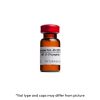
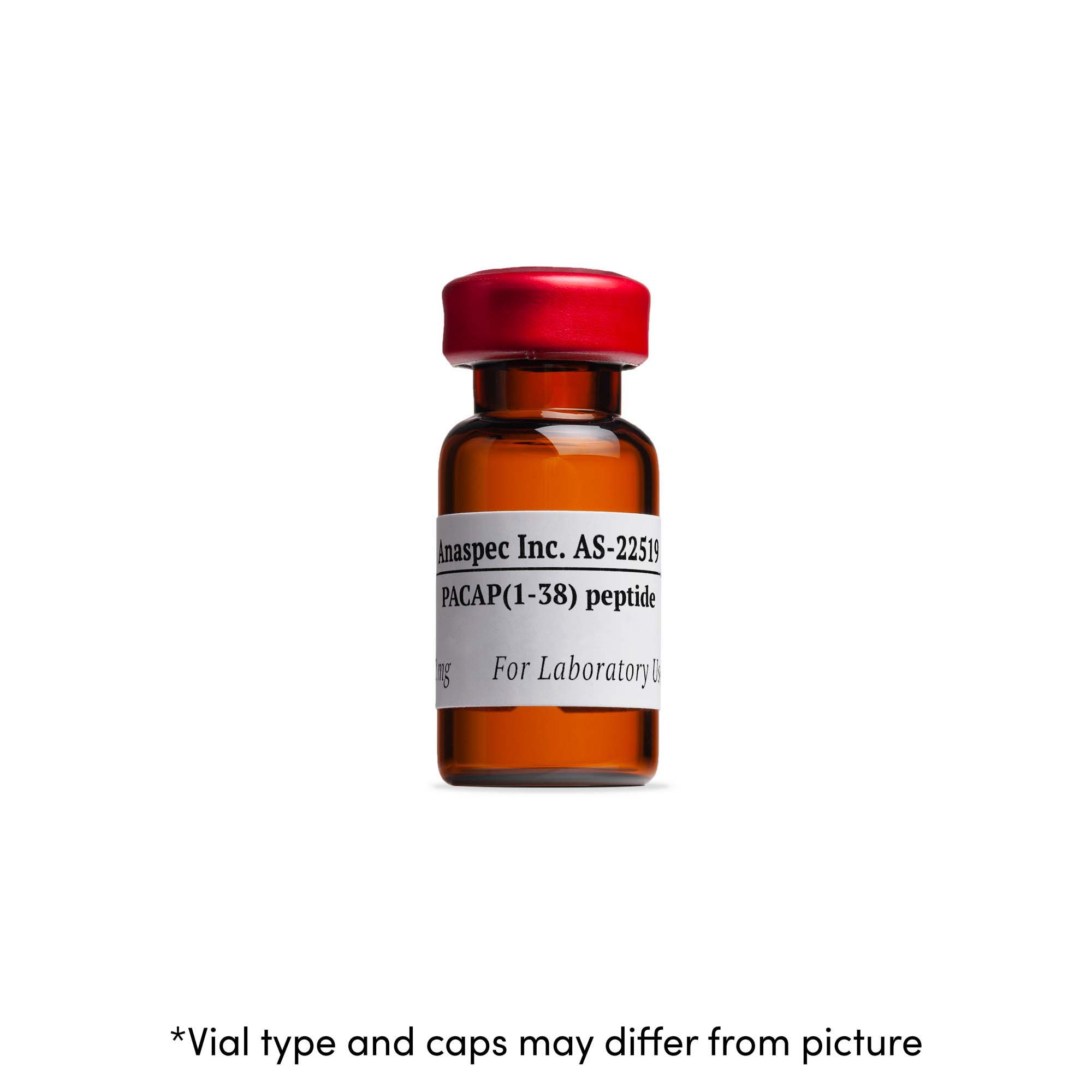
PACAP (1-38), amide, human, ovine, rat
Price range: $244.00 through $422.00
PACAP38, derived from a 176-amino acid precursor (preproPACAP), is a 38-amino acid peptide. The amino acid sequence of PACAP is identical in all mammals.
Overview
Pituitary adenylate cyclase-activating polypeptide (PACAP), specifically PACAP (1-38), is a vital neuropeptide crucial for various physiological functions. Derived from the larger 176-amino acid precursor known as preproPACAP, this 38-amino acid peptide has a sequence that remains consistent across all mammals. Its role in mediating neuroendocrine functions makes it an essential component for research in neurobiology and therapeutic applications.
Key Features
- Identical amino acid sequence across all mammalian species
- Derived from the well-studied preproPACAP precursor
- Involvement in neuroendocrine signaling pathways
- Available for various research applications in neuroscience and physiology
- Offered in high purity for reliable experimental outcomes
Specifications
| Item | PACAP (1-38), amide, human, ovine, rat |
|---|---|
| Amino Acid Length | 38 |
| Origin | Human, ovine, rat |
| Purity | ≥95% |
FAQ
What applications is PACAP (1-38) commonly used for?
PACAP (1-38) is often used in research related to neurobiology, particularly in studies examining its role in neuroendocrine regulation and neuronal signaling mechanisms.
How is PACAP (1-38) stored?
For optimal stability, it is recommended to store PACAP (1-38) at -20°C. Avoid repeated freeze-thaw cycles to maintain its integrity.
Can PACAP (1-38) be used in human studies?
While PACAP (1-38) has been studied in various mammalian models, its application in human studies should be approached with caution and appropriate ethical considerations.
Explore more options in our peptide collection, like PKG Substrateor check out our Autocamtide-2 for additional research applications. If you’re searching for high-quality peptides, browse our entire peptides catalog.
Related Products
| Size | 0.5 mg, 1 mg |
|---|
Be the first to review “PACAP (1-38), amide, human, ovine, rat”
Related products
Peptides
Peptides
Peptides
Peptides
Peptides
Reviews
There are no reviews yet.