
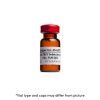
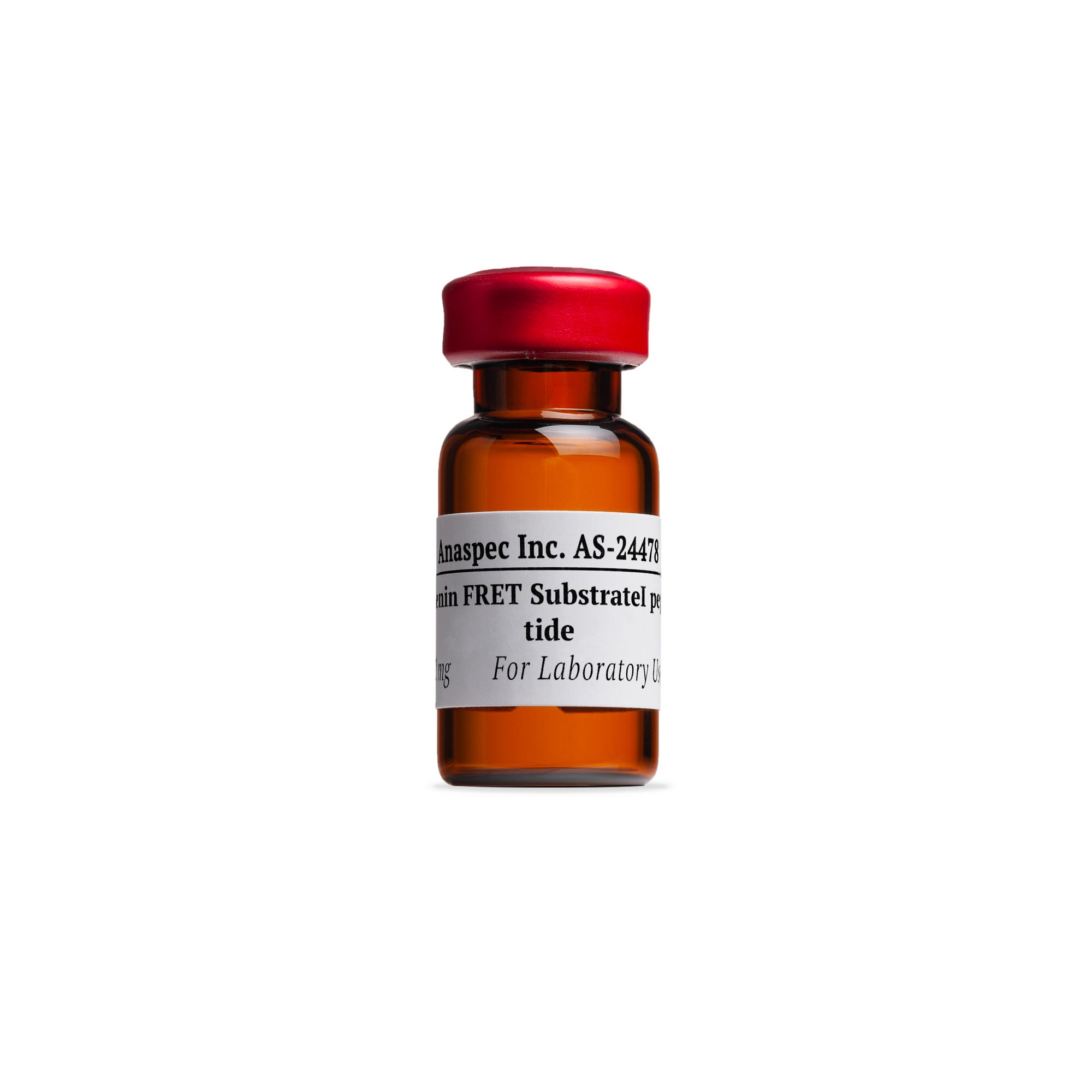
Renin FRET substrate, Dabcyl/EDANS – 1 mg
$298.00
DABCYL-GABA-Ile-His-Pro-Phe-His-Leu-Val-Ile-His-Thr-EDANS, Renin Substrate I, used to continuously measure the proteolytic activity of human renin.
Overview
The Renin FRET substrate, Dabcyl/EDANS – 1 mg is your go-to fluorogenic peptide substrate for accurately measuring the proteolytic activity of human renin. This substrate, also known as DABCYL-GABA-Ile-His-Pro-Phe-His-Leu-Val-Ile-His-Thr-EDANS or Renin Substrate I, contains a specific renin cleavage site located at the Leu-Val bond. This unique feature allows researchers to monitor the action of renin on human angiotensinogen efficiently.
Key Features
- Specifically designed for the continuous measurement of human renin activity.
- Utilizes FRET technology to ensure precise intramolecular fluorescence detection.
- Contains a validated cleaving site that mimics the natural angiotensinogen substrate.
- Easy to handle and integrate into your existing assay protocols.
- Available in a convenient 1 mg format for versatile experimental use.
Specifications
| Attribute | Details |
|---|---|
| Product Name | Renin FRET substrate, Dabcyl/EDANS |
| Synonyms | Renin Substrate I, DABCYL-GABA-Ile-His-Pro-Phe-His-Leu-Val-Ile-His-Thr-EDANS |
| Quantity | 1 mg |
| Application | Proteolytic activity measurement of human renin |
| Fluorescence Technology | FRET (Förster Resonance Energy Transfer) |
FAQ
What is the primary use of the Renin FRET substrate?
The Renin FRET substrate is specifically designed for measuring the proteolytic activity of human renin, enabling researchers to conduct detailed studies on renal function and hypertension.
How does the FRET mechanism work in this substrate?
This substrate employs FRET technology, where the energy transfer between the Dabcyl and EDANS fluorophores occurs upon cleavage, allowing for real-time monitoring of the enzymatic activity.
Can I use this substrate in different assay formats?
Yes, the Renin FRET substrate is versatile and can be adapted for various assay formats, making it suitable for diverse experimental setups in peptide and protein studies.
For those looking for other options, consider our PKG substrate for different applications or explore our range of peptides for supplementary research needs.
Related Products
Be the first to review “Renin FRET substrate, Dabcyl/EDANS – 1 mg”
Related products
Reviews
There are no reviews yet.