
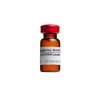
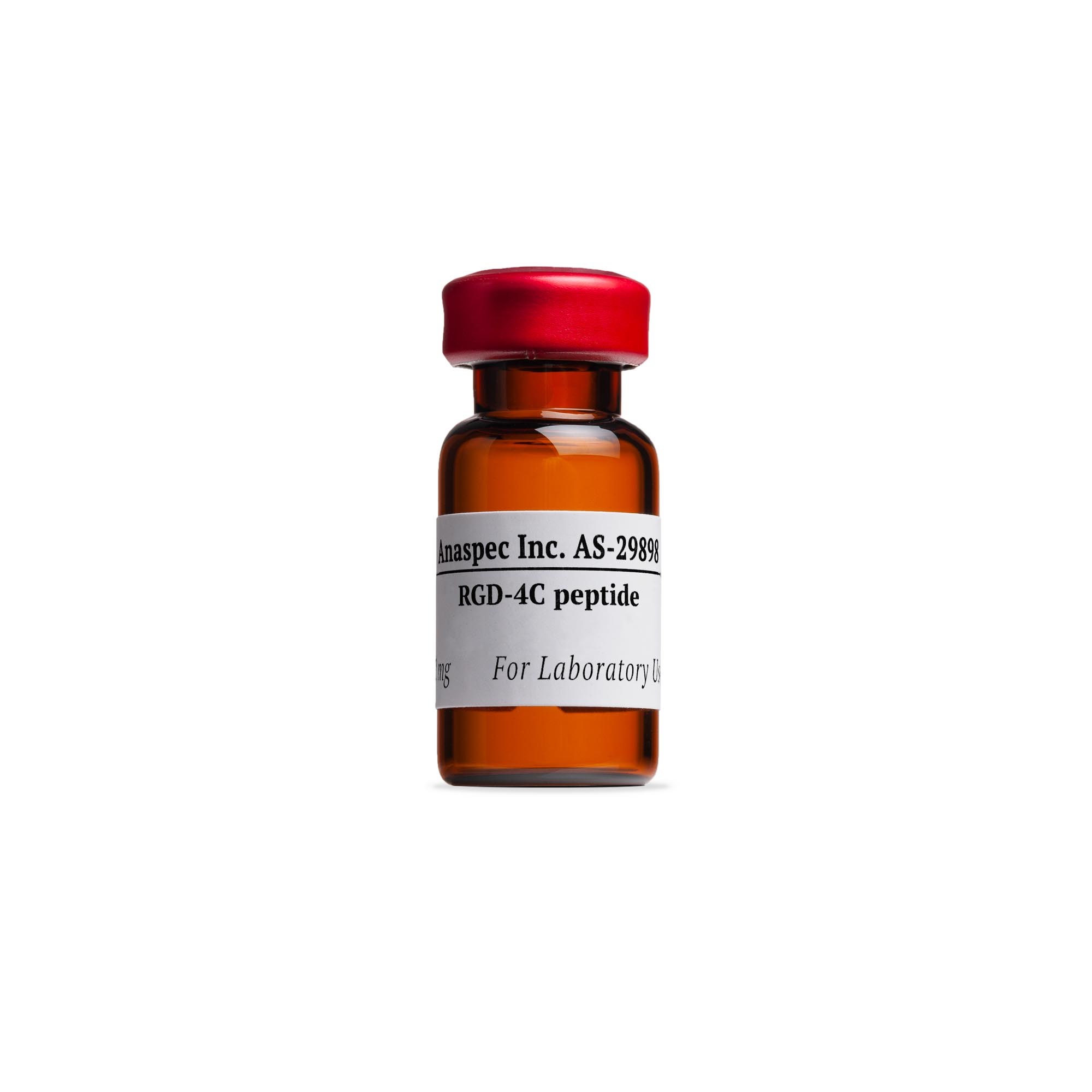
RGD-4C – 5 mg
$2,298.00
RGD-4C, a double cyclic peptide, binds preferentially to integrins at sites of tumor angiogenesis and inflammed synovium.
Overview
RGD-4C is a highly specialized double cyclic peptide designed to target integrins associated with tumor angiogenesis and inflamed synovium. By binding preferentially to these integrins, RGD-4C presents a unique opportunity for research in cancer biology and therapeutic applications. This peptide can effectively be internalized into targeted cells, allowing for precise studies in cellular behavior and signaling.
Key Features
- Targeted binding to integrins involved in tumorigenesis.
- Double cyclic structure enhancing stability and specificity.
- Facilitates internalization into cells for detailed studies.
- Ideal for applications in cancer research and drug development.
- Available in a convenient 5 mg size for various experimental needs.
Specifications
| Property | Details |
|---|---|
| Product Name | RGD-4C |
| Category | Peptides |
| Weight | 5 mg |
FAQ
What are the main applications of RGD-4C?
RGD-4C is primarily used in cancer research to study tumor angiogenesis and in investigations of inflammatory conditions. Its ability to bind integrins makes it an essential tool for understanding cellular interactions and potential drug targeting.
How should I store RGD-4C?
To maintain its stability and effectiveness, store RGD-4C in a cool, dry place, ideally at -20°C. Protect it from light and moisture to ensure the best results in your experiments.
Can RGD-4C be used in vivo?
Yes, RGD-4C can be utilized in vivo for studies on targeted delivery and cellular internalization. It’s important to follow appropriate guidelines for animal research to ensure ethical and effective use.
If you’re looking for peptides that target specific cellular pathways, consider exploring our range of peptideswhich can provide additional tools for your research.
For those seeking reliable enzyme substrates, check out our PKG Substrate for diverse applications in proteomics. Alternatively, our Autocamtide-2 offers unique functionalities for advanced studies. Enhance your studies with our CREBtidewhich is labeled for more straightforward tracking and analysis.
Be the first to review “RGD-4C – 5 mg”
Related products
Peptides
Peptides
Peptides
Reviews
There are no reviews yet.