
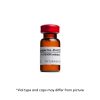
Beta-Amyloid (5-42)
Price range: $201.00 through $729.00
Beta-Amyloid (5-42). A variety of truncated and modified Aß peptides were described (1-28, 1-29, 1-45, 2-46, 3-44, 3-47, 2-42, 4-42, 5-42, 6-42, 7-45)
Overview
Beta-Amyloid (5-42) is a notable peptide involved in Alzheimer’s disease research. This specific variant of the amyloid beta peptide is crucial for understanding the formation of amyloid plaques, a hallmark of Alzheimer’s pathology. Researchers use a variety of truncated and modified Aβ peptides, including Beta-Amyloid (5-42), to gain insights into amyloid aggregation, neurotoxicity, and potential therapeutic interventions. If you’re looking to deepen your research in neurodegenerative disorders, this peptide is an essential tool.
Key Features
- Highly purified Beta-Amyloid (5-42) for accurate research.
- Critical for studies related to Alzheimer’s disease and amyloid plaque formation.
- Available for purchase in convenient vial sizes.
- Consistent quality to support reproducible results in your experiments.
Specifications
| Product Name | Beta-Amyloid (5-42) |
| Category | Peptides |
| Purity | ≥ 95% |
| Storage | -20°C |
FAQ
What is Beta-Amyloid (5-42) used for?
This peptide is primarily used in research focused on Alzheimer’s disease, specifically in studies examining amyloid plaque formation and neurotoxicity.
How should I store Beta-Amyloid (5-42)?
To ensure stability and efficacy, store Beta-Amyloid (5-42) at -20°C. Avoid repeated freeze-thaw cycles.
Can I use Beta-Amyloid (5-42) in my experiments?
Yes, you can incorporate Beta-Amyloid (5-42) into studies related to amyloid pathology and potential therapeutic developments in neurodegenerative diseases.
Explore other relevant peptides like Autocamtide-2 and CREBtide to enhance your research capabilities. You’ll find a wide range of peptides available to support your studies.
Related Products
| Size | 0.1 mg, 1 mg |
|---|
Be the first to review “Beta-Amyloid (5-42)”
Related products
Peptides
Peptides
Reviews
There are no reviews yet.