
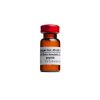
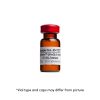
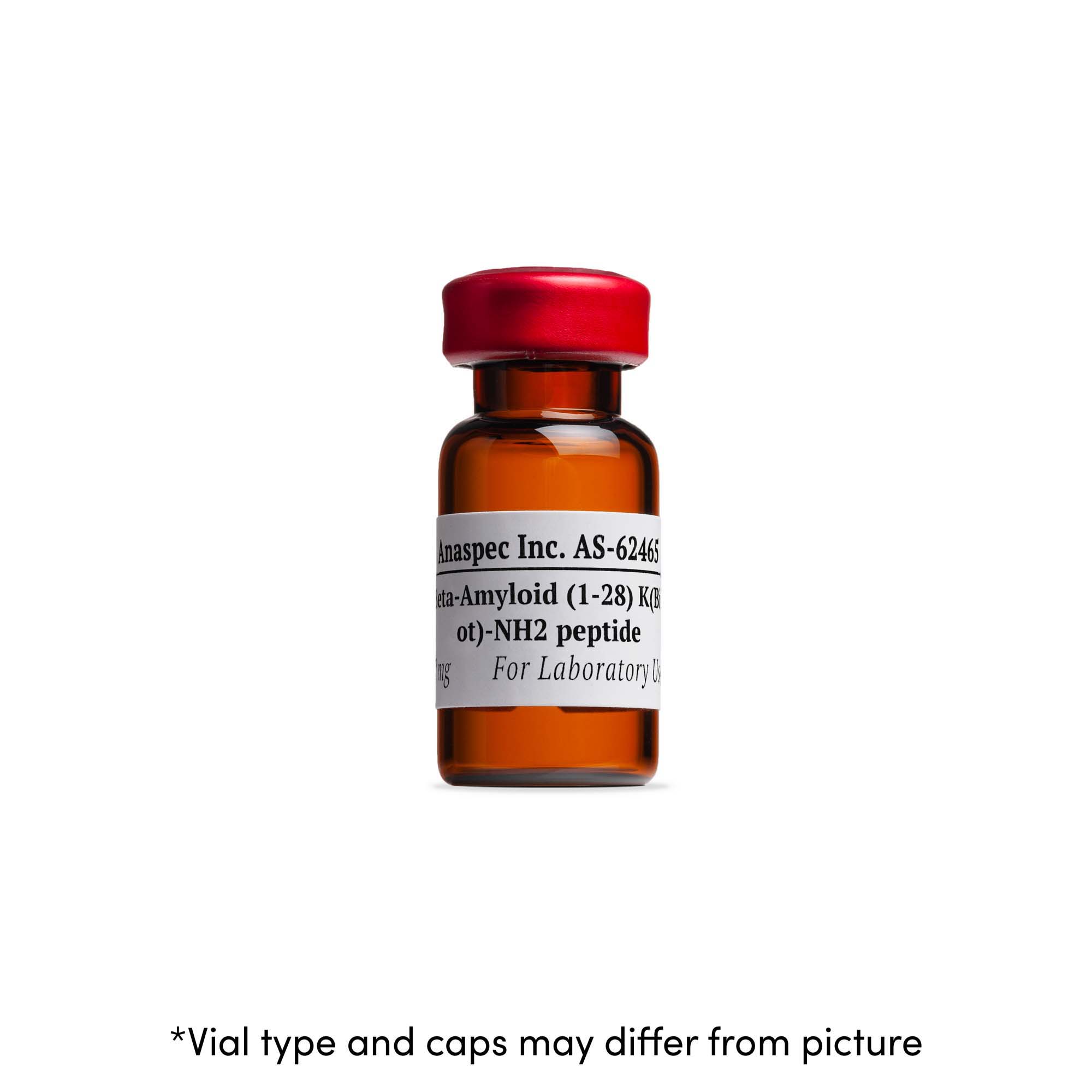
Beta-Amyloid (1-28)-Lys(Biotin)-NH2 – 0.5 mg
$327.00
Beta-Amyloid (1-28)-Lys(Biotin)-NH2, b-amyloid peptide biotinylated on the side chain of lysine
Overview
Discover the Beta-Amyloid (1-28)-Lys(Biotin)-NH2 peptide, a critical tool for studying Alzheimer’s disease and related neurological conditions. This biotinylated fragment of the beta-amyloid peptide, consisting of amino acids 1 to 28 and attached to lysine, enables precise labeling and detection in various research applications. With its high purity and reliable performance, this peptide is essential for experiments aimed at exploring beta-amyloid’s role in neurodegeneration.
Key Features
- Biotinylated for easy detection and analysis
- Specifically targets the first 28 amino acids of the beta-amyloid peptide
- Ideal for use in immunoassays and other labeling applications
- High purity ensures accurate and reproducible results
- Available in a convenient 0.5 mg size, perfect for trial experiments
Specifications
| Product Name | Beta-Amyloid (1-28)-Lys(Biotin)-NH2 |
| Size | 0.5 mg |
| Category | Peptides |
| Purity | High |
| Reference | Beta-amyloid peptide |
FAQ
What is the Beta-Amyloid (1-28)-Lys(Biotin)-NH2 peptide used for?
This peptide is widely used in research related to Alzheimer’s disease, particularly for studying the beta-amyloid aggregation process and its implications in neurodegeneration.
How do I store the Beta-Amyloid (1-28)-Lys(Biotin)-NH2?
Store this peptide at -20°C for long-term stability. Avoid repeated freeze-thaw cycles to maintain its integrity.
Can I use this peptide in immunoassays?
Yes, the biotinylated nature of this peptide makes it an excellent choice for various immunoassays. Its labeling facilitates easy detection using streptavidin or avidin-based methods.
For additional peptide options, check out our peptide collection. Each product is designed with your research needs in mind, ensuring high-quality results. If you’re looking for substrates that complement your assays, explore PKG Substrate and see how it can enhance your research capabilities. For specific enzyme substrate applications, see our Autocamtide-2 for even more options.
Related Products
Be the first to review “Beta-Amyloid (1-28)-Lys(Biotin)-NH2 – 0.5 mg”
Related products
Peptides
Peptides
Peptides
Reviews
There are no reviews yet.