
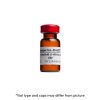
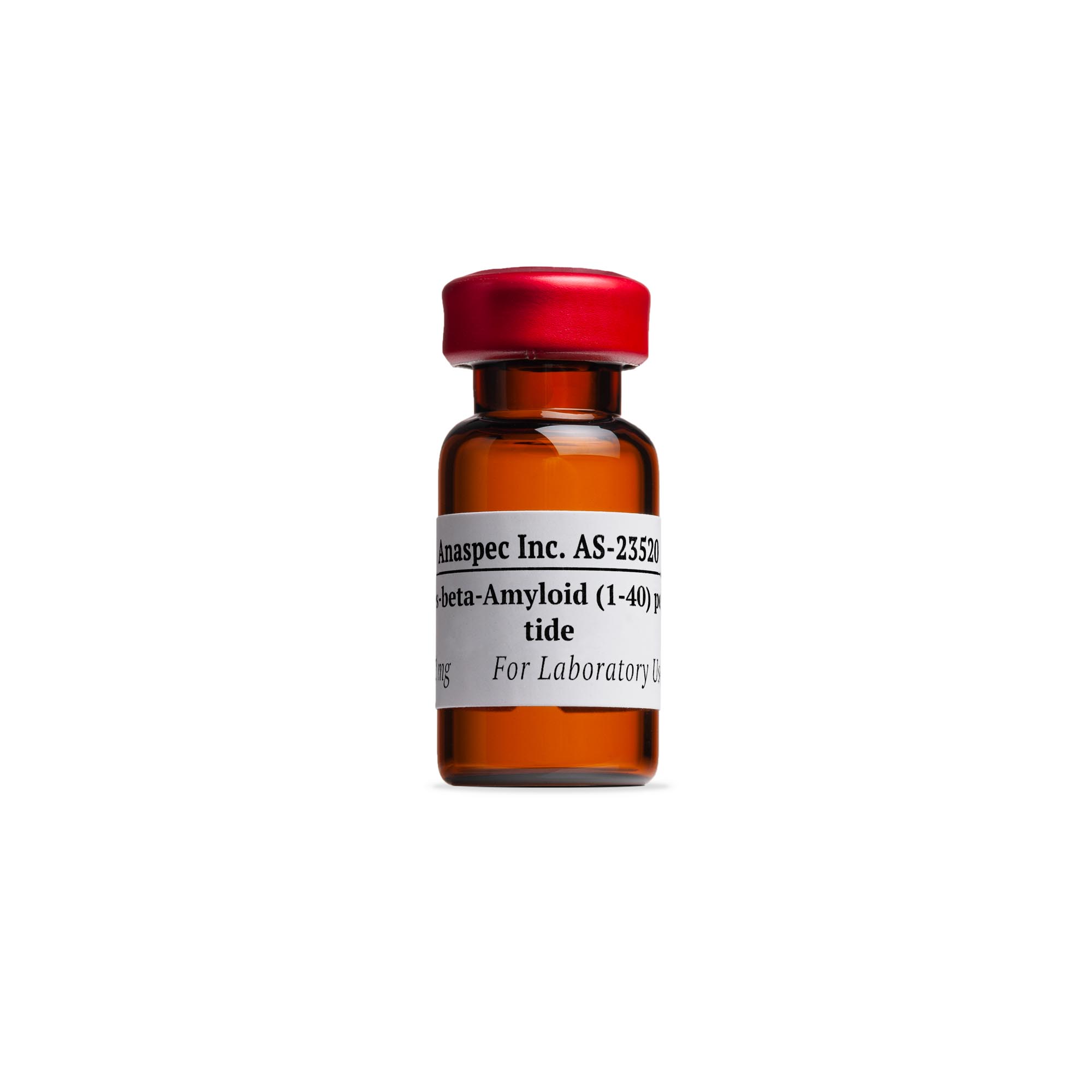
Cys-beta-Amyloid (1-40) – 1 mg
$414.00
Cys-beta-Amyloid (1-40) peptide. Aß (1-40) together with Aß (1-42) undergo post-secretory aggregation and deposition in the Alzheimer’s disease brain
Overview
The Cys-beta-Amyloid (1-40) peptide is a key component in Alzheimer’s disease research. This peptide is vital for studying the aggregation and deposition processes associated with amyloid-beta proteins in the brain. Cys-beta-Amyloid (1-40) represents one of the predominant C-terminal forms of the amyloid-beta (Aß) protein, alongside Aß (1-42). Understanding these variants helps researchers investigate the underlying mechanisms of Alzheimer’s disease on a molecular level.
Key Features
- Research-grade Cys-beta-Amyloid (1-40) peptide for accurate studies
- Essential for modeling amyloid aggregation in Alzheimer’s research
- 1 mg of peptide provided, ideal for various experimental needs
- High purity and quality, ensuring reliable results
- Available for immediate purchase, streamlining your research procurement
Specifications
| Peptide Name | Cys-beta-Amyloid (1-40) |
| Concentration | 1 mg |
| Applications | Alzheimer’s disease research, aggregation studies |
FAQ
What is the significance of Cys-beta-Amyloid (1-40) in Alzheimer’s research?
Cys-beta-Amyloid (1-40) is crucial for studying the aggregation process that occurs in Alzheimer’s disease. Its behavior mimics that of naturally occurring amyloid-beta peptides, providing valuable insights into disease mechanisms.
How should I store Cys-beta-Amyloid (1-40) once received?
For best results, store Cys-beta-Amyloid (1-40) in a cool, dry place, ideally at -20°C. Proper storage will maintain the peptide’s integrity for your experiments.
Can I use Cys-beta-Amyloid (1-40) for in vivo studies?
This peptide is primarily designed for in vitro experiments, particularly focused on aggregation studies. For in vivo applications, consult relevant literature and protocols.
If you’re looking to enhance your Alzheimer’s research with quality peptides, consider our range of peptides and specific models like PKG Substrate and Autocamtide-2. These products can complement your findings and advance your research goals.
Related Products
Be the first to review “Cys-beta-Amyloid (1-40) – 1 mg”
Related products
Peptides
Reviews
There are no reviews yet.