
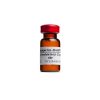
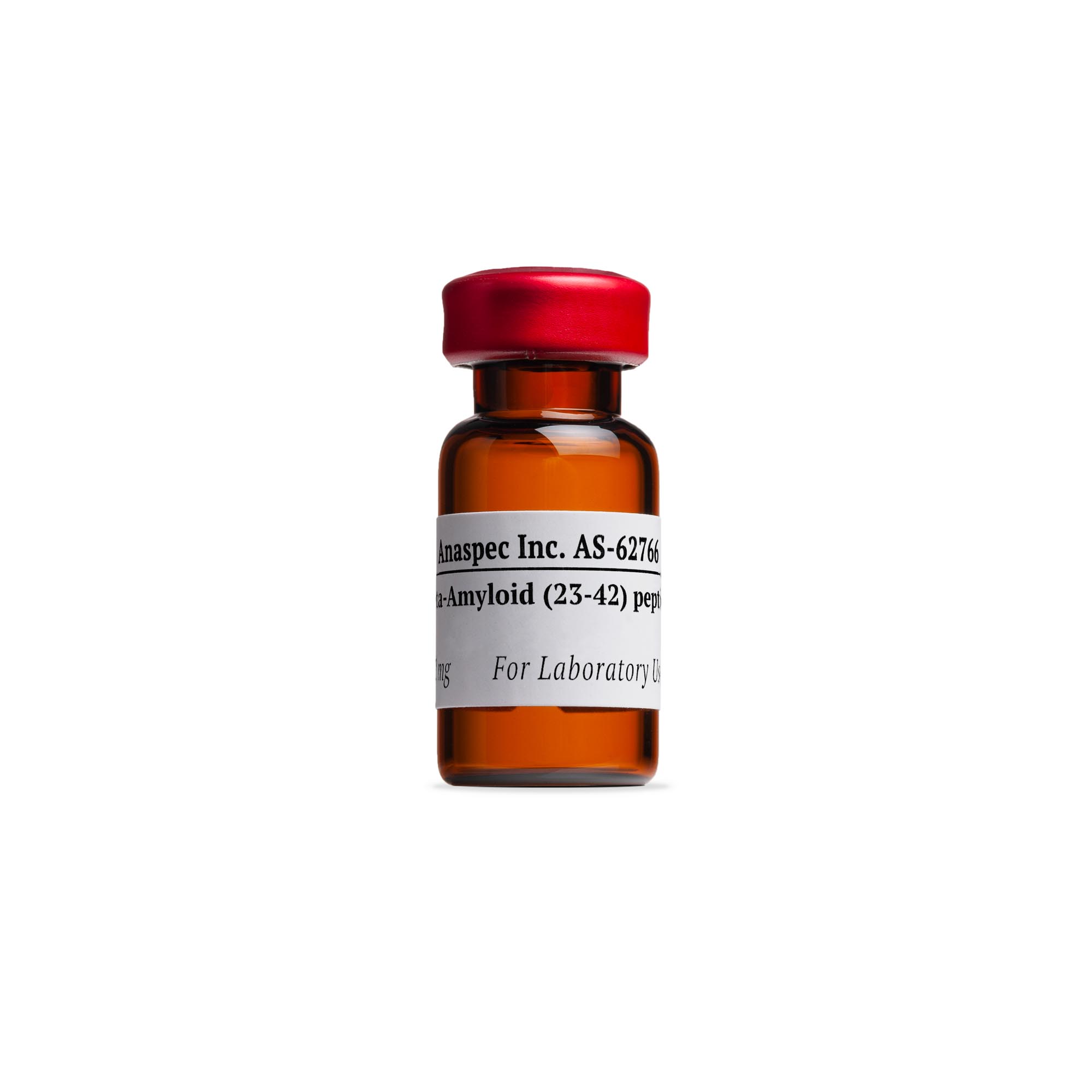
Beta-Amyloid (23-42) – 1 mg
$186.00
Beta-Amyloid (23-42)
Overview
Beta-Amyloid (23-42) is a crucial peptide fragment representing amino acids 23 to 42 of the beta-amyloid protein. This specific segment is significant in neurodegenerative research, particularly in Alzheimer’s disease studies where beta-amyloid accumulation is a key pathological feature. By purchasing our Beta-Amyloid (23-42) peptide, you’re equipping your laboratory with a powerful tool for advancing your research in neurological disorders.
Key Features
- High purity grade, ideal for research applications.
- Supports studies related to Alzheimer’s disease and amyloid plaque formation.
- Available in 1 mg units for convenient usage.
- Compatible with various labeling and detection methods.
- Manufactured under strict quality control standards.
Specifications
| Product Name | Beta-Amyloid (23-42) |
| Quantity | 1 mg |
| Category | Peptides |
| Purity | High purity (≥95%) |
FAQ
What is Beta-Amyloid (23-42) used for?
This peptide is primarily used in Alzheimer’s disease research, helping scientists understand the role of beta-amyloid in neurodegeneration.
How should I store Beta-Amyloid (23-42)?
For optimal stability, it is recommended to store this peptide at -20°C and avoid repeated freeze-thaw cycles.
Can I use this peptide for labeling?
Yes, our Beta-Amyloid (23-42) peptide is suitable for various labeling techniques. You can enhance your assays by combining it with products like PKG Substrate or Autocamtide-2.
Whether you’re conducting basic research or targeted studies in neurobiology, investing in our Beta-Amyloid (23-42) peptide can significantly enrich your findings. Explore our full range of peptides to complement your experimental needs and bring clarity to your research journey.
Related Products
Be the first to review “Beta-Amyloid (23-42) – 1 mg”
Related products
Peptides
Peptides
Peptides
Reviews
There are no reviews yet.