
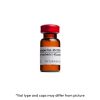
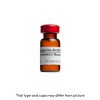
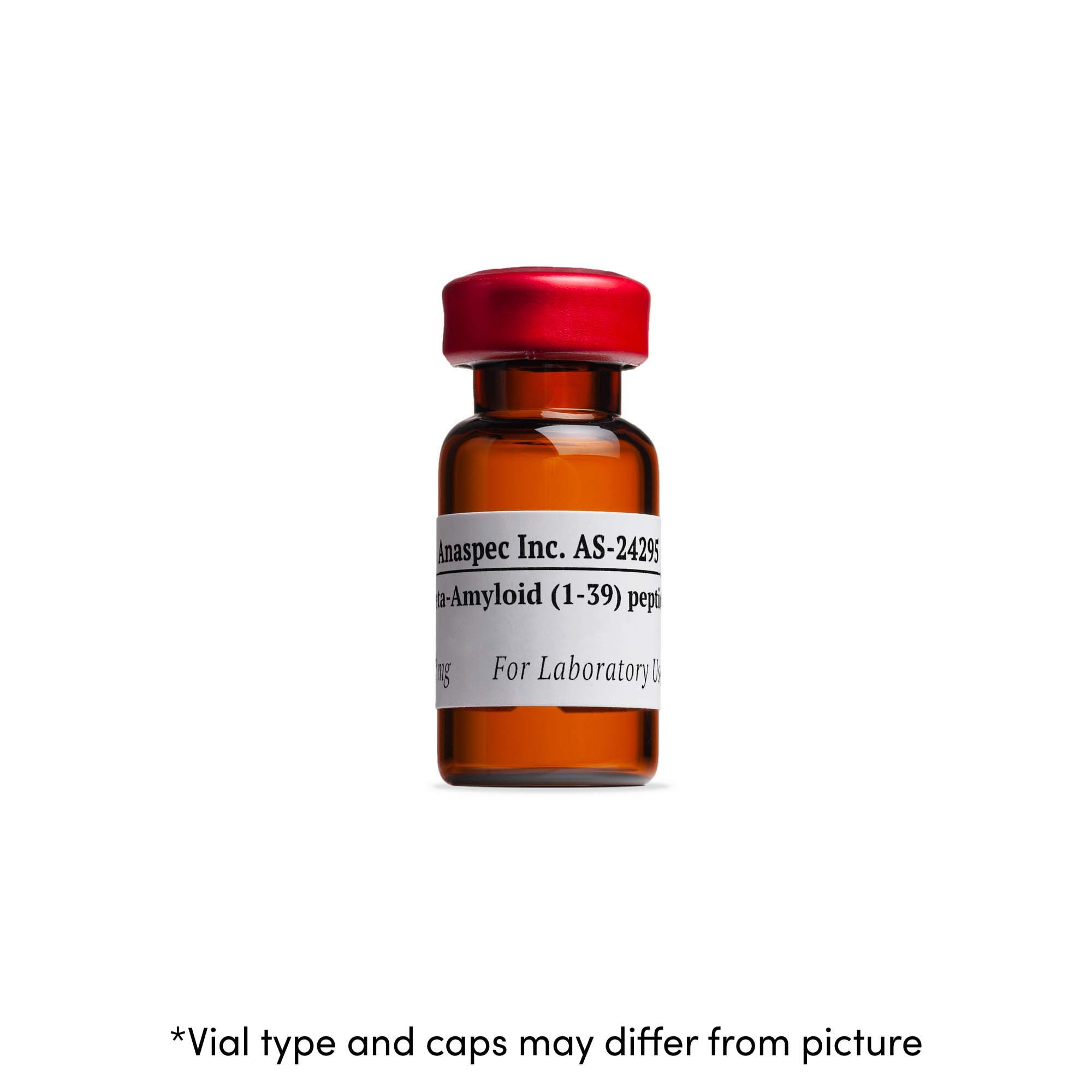
Beta-Amyloid (1-39) Peptide
Price range: $251.00 through $462.00
Aß protein variants, differing only at their carboxy terminus (1-39, 1-40, 1-42 and 1-43), are major components of the cerebral amyloid deposits.
Overview
Beta-Amyloid (1-39) Peptide is a key research tool for studying Alzheimer’s disease. This peptide variant is a primary component of the amyloid plaques found in the brains of affected individuals. Understanding the role of Aß proteins is essential in neurological research, especially since their C-terminus length influences amyloid formation kinetics. With a focus on the (1-39) variant, our product is ideal for laboratories working to uncover mechanisms behind Alzheimer’s pathology.
Key Features
- High purity beta-Amyloid (1-39) Peptide for reliable results
- Critical role in Alzheimer’s research
- Facilitates studies on amyloid formation and solubility
- Supports nucleation studies
- Compliant with research quality standards
Specifications
| Product | Beta-Amyloid (1-39) Peptide |
| CAS Number | 107-51-1 |
| Purity | ≥95% |
| Form | Lyophilized powder |
FAQ
What is the significance of Beta-Amyloid (1-39)?
This peptide is a crucial component in studying amyloid deposits associated with Alzheimer’s disease, helping researchers understand the mechanisms behind plaque formation.
How can I use Beta-Amyloid (1-39) in my research?
Beta-Amyloid (1-39) can be used for various assays, including studies on amyloid aggregation, and it can serve as a nucleator for other Aß variants, enhancing your understanding of their interactions.
Where can I find more peptide products?
You can explore a wide range of peptide options in our peptide catalogincluding products tailored for specific research needs.
For your research projects, purchase Beta-Amyloid (1-39) Peptide today and enhance your studies on Alzheimer’s disease. Our product ensures consistency and quality, making it the preferred choice for scientists dedicated to advancing neurological research.
Related Products
| Size | 0.5 mg, 1 mg |
|---|
Be the first to review “Beta-Amyloid (1-39) Peptide”
Related products
Peptides
Peptides
Reviews
There are no reviews yet.