
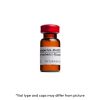
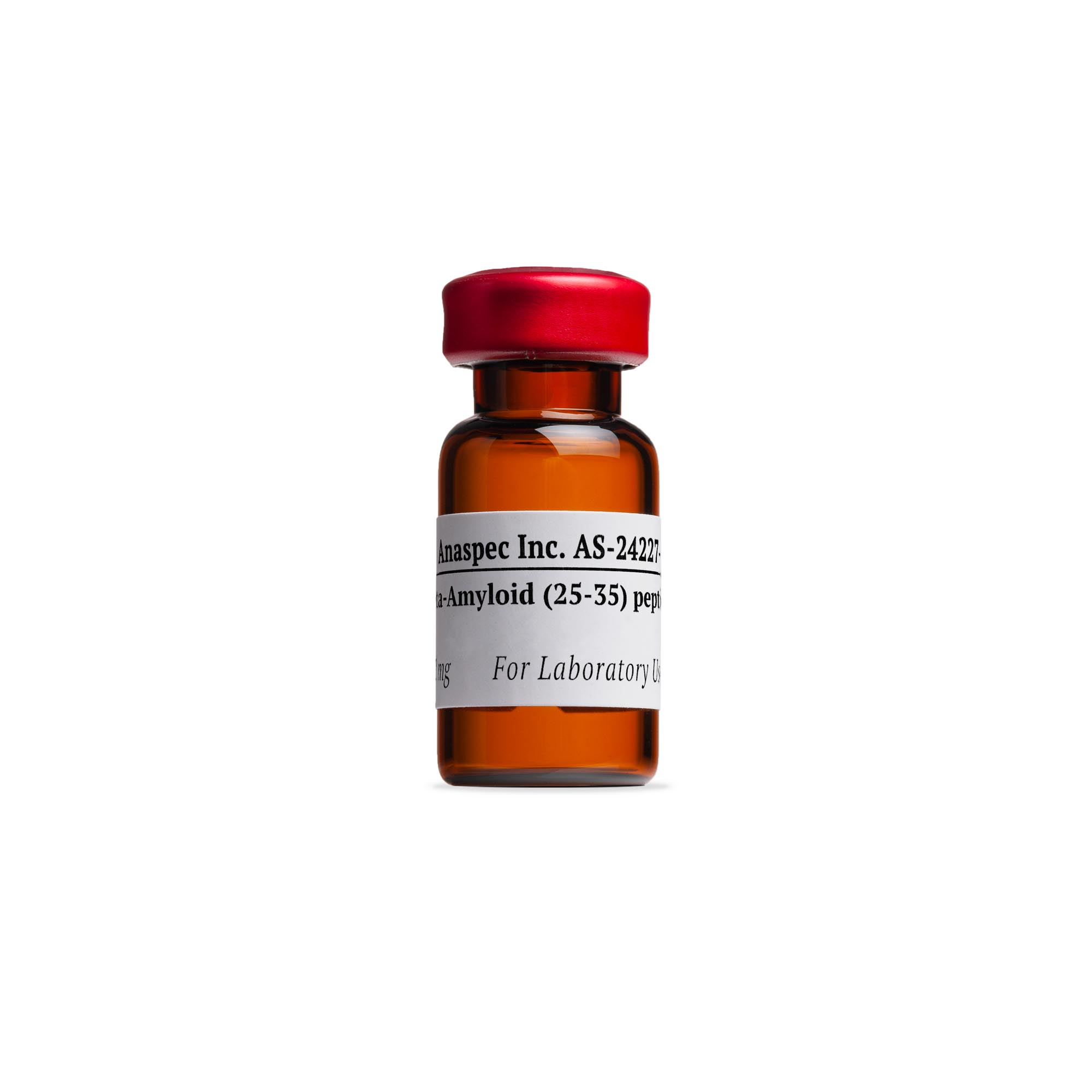
Beta-Amyloid (25-35)
Price range: $72.00 through $261.00
Beta-Amyloid (25-35) or Aß (25-35) is the main factor responsible for Aß neurotoxic effects.
Overview
Beta-Amyloid (25-35), also known as Aß (25-35), is a crucial peptide that plays a significant role in neurotoxic effects linked to Alzheimer’s disease. This specific segment of the Beta-Amyloid protein has been extensively studied for its contributions to plaque formation in the brains of affected individuals. By understanding its mechanisms, researchers are better equipped to explore therapeutic strategies aimed at combating neurodegeneration. If you’re working on related projects, you’ll find this peptide valuable for your assays, providing insights into neurodegenerative pathways.
Key Features
- High purity grade suitable for research applications
- Designed for reliable performance in neurobiology studies
- Facilitates investigations into amyloid-beta related toxicity
- Available in small quantities for flexibility in experimental design
- Supports various labeling and detection techniques
Specifications
| Item | Value |
|---|---|
| Peptide Sequence | 25-35 Aß |
| Molecular Weight | 1206.39 g/mol |
| Purity | ≥95% (HPLC) |
| Storage Temperature | -20°C |
FAQ
What applications can I use Aß (25-35) for?
You can utilize Beta-Amyloid (25-35) in various research applications, particularly those focusing on Alzheimer’s disease and neurotoxicity. It can also be integrated into studies investigating amyloid plaque formation.
How should I store this peptide?
For optimal stability, store Beta-Amyloid (25-35) at -20°C. Always ensure the peptide is sealed properly to prevent degradation.
Can I combine this peptide with other assays?
Yes, Beta-Amyloid (25-35) can be used in combination with other assays, such as those involving PKG Substrate or Autocamtide-2. This versatility allows you to explore various neurobiological pathways and interactions.
Related Products
Browse more in Peptides.
| Size | 1 mg, 5 mg |
|---|
Be the first to review “Beta-Amyloid (25-35)”
Related products
Peptides
Peptides
Peptides
Reviews
There are no reviews yet.