
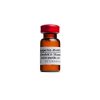
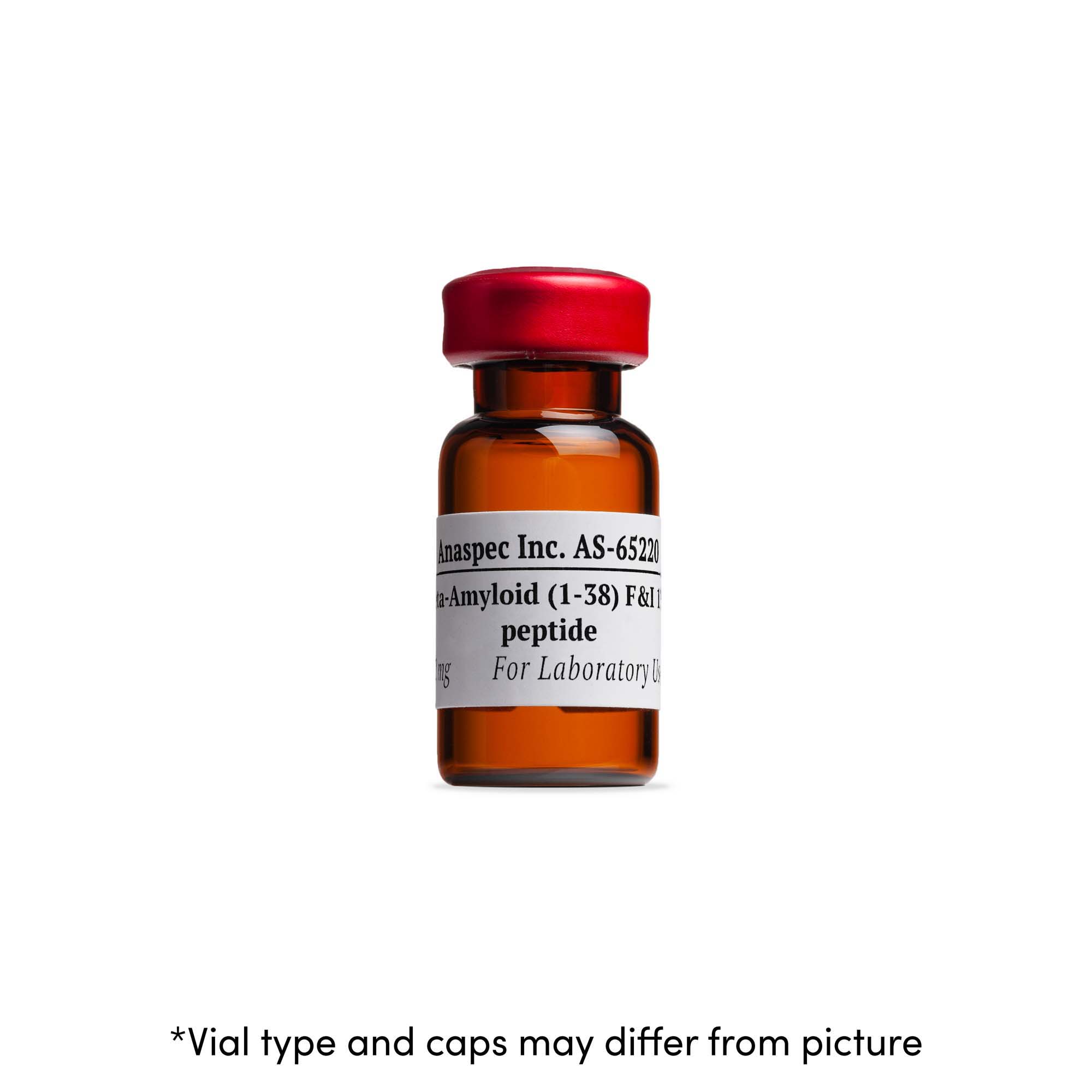
ClearPoint™ beta-Amyloid (1-38), 13C-Phe & Ile – 0.05 mg
$168.00
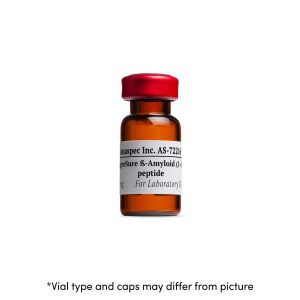
ClearPoint™ beta-Amyloid (1-38), 13C-Phe & Ile. This peptide is beta-amyloid (1-38) with phenylalanine and isoleucine universally labeled with 13C.
Overview
The ClearPoint™ beta-Amyloid (1-38), 13C-Phe & Ile peptide is specifically designed for researchers investigating Alzheimer’s disease. Beta-amyloid peptides are key players in amyloid plaque formation, a hallmark of Alzheimer’s pathology. This particular peptide variant is labeled with stable isotopes of carbon, which aids in precise tracking and analysis during experiments.
Key Features
- Universally labeled with 13C for enhanced tracking
- Designed for Alzheimer’s research
- High purity and quality, ensuring reliable results
- Available in a convenient 0.05 mg format
- Supports a range of experimental applications
Specifications
| Product Name | ClearPoint™ beta-Amyloid (1-38), 13C-Phe & Ile |
| Peptide Sequence | beta-Amyloid (1-38) |
| Labeling | 13C-Phe (U-13C9), 13C-Ile (U-13C6) |
| Quantity | 0.05 mg |
FAQ
What is the significance of beta-amyloid in Alzheimer’s research?
Beta-amyloid is crucial in Alzheimer’s disease studies as it forms amyloid plaques that disrupt cell function. Understanding its role can help in developing effective therapies.
How can I use the ClearPoint™ beta-Amyloid peptide in my research?
This peptide is ideal for in vitro studies examining the aggregation and toxicity of beta-amyloid, as well as for imaging applications utilizing fluorescent detection methods.
Is the 13C labeling important for my experiments?
Yes, 13C labeling allows for more precise quantitative analysis in mass spectrometry and other analytical techniques, enhancing the reliability of your experimental results.
For more innovative options, check out our range of peptides or explore our specialized PKG Substrate. Don’t miss out on our Autocamtide-2 for more intricate studies.
Related Products
Be the first to review “ClearPoint™ beta-Amyloid (1-38), 13C-Phe & Ile – 0.05 mg”
Related products
Peptides
Reviews
There are no reviews yet.