
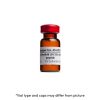
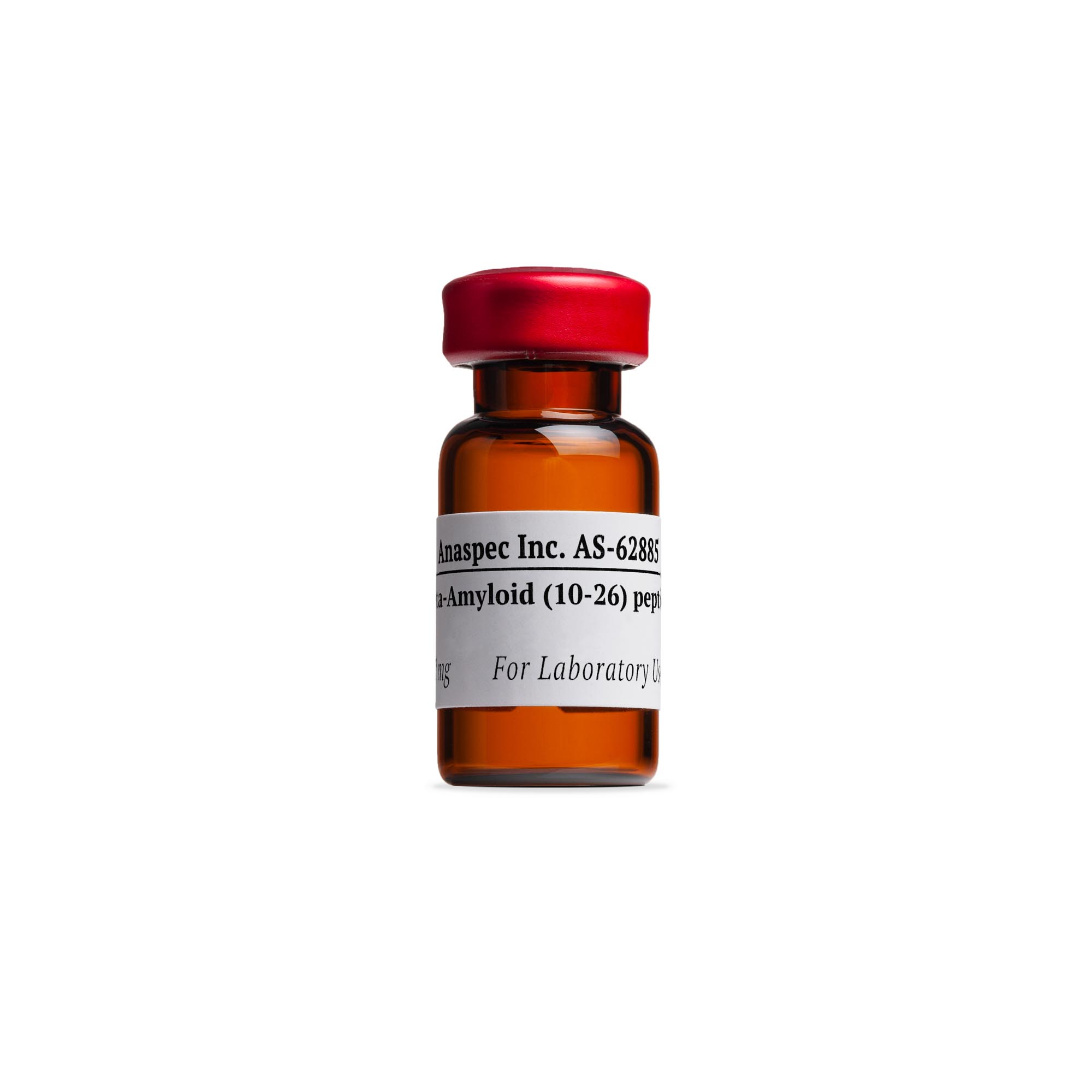
Beta-Amyloid (10-26) – 1 mg
$148.00
Beta-Amyloid (10-26) capable of forming fibrils
Overview
The Beta-Amyloid (10-26) peptide is a critical fragment within the study of Alzheimer’s disease and neurodegenerative disorders. Comprised of amino acids 10 to 26 of the beta-Amyloid peptide, this product is known for its capability to form fibrils, a key factor in the pathology of Alzheimer’s. By incorporating this peptide into your research, you can gain insights into the molecular underpinnings of amyloid plaque formation and its implications in neurological conditions.
Key Features
- High purity, ensuring reliable results in your experiments
- Designed for research applications related to neurodegenerative diseases
- Facilitates the understanding of amyloid fibril formation
- Available in a convenient 1 mg quantity for flexible use
- Supports a variety of experimental techniques, including assays and labeling
Specifications
| Product Name | Beta-Amyloid (10-26) |
|---|---|
| Quantity | 1 mg |
| Category | Peptides |
| Formulation | Lyophilized powder |
| Purity | ≥ 95% |
FAQ
What is the significance of the Beta-Amyloid (10-26) peptide?
This peptide fragment is essential for studying the amyloidogenic process associated with Alzheimer’s disease. Its ability to form fibrils mimics the pathological features observed in vivo, making it a valuable tool in research.
How can I use this peptide in my research?
You can utilize the Beta-Amyloid (10-26) peptide in various assays to study its fibril formation and interaction with other molecules. It can also be used in conjunction with other products, like our PKG Substrate for advanced investigations.
Is the product available in different quantities?
Currently, we offer the Beta-Amyloid (10-26) in a 1 mg format, which is suitable for multiple experiments. For larger studies, consider our peptide catalog for more options.
Research the frontiers of neurobiology with our Beta-Amyloid (10-26) peptide. Order today and integrate this crucial component into your investigative toolkit to advance your studies in neurodegenerative research.
Related Products
Browse more in Peptides.
Be the first to review “Beta-Amyloid (10-26) – 1 mg”
Related products
Peptides
Peptides
Peptides
Reviews
There are no reviews yet.