
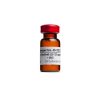
Beta-Amyloid (11-25) – 1 mg
$131.00
Beta-Amyloid (11-25) capable of forming well-organized amyloid fibrils in vitro, similar to the pathogenic ones found in amyloidosis.
Overview
Beta-Amyloid (11-25) is a highly studied peptide fragment that plays a crucial role in the formation of amyloid fibrils, which are associated with amyloidosis. This particular amino acid sequence comprises residues 11 to 25 of the beta-amyloid protein and exhibits the ability to form well-organized fibrils under in vitro conditions. These fibrils share structural similarities with those that contribute to pathological conditions in human diseases.
Key Features
- Forms structurally organized amyloid fibrils in vitro
- Similarities to pathogenic amyloid structures
- Facilitates research into aggregation mechanisms
- Ideal for studies related to neurodegenerative diseases
- Available in a 1 mg package for convenient use
Specifications
| Product Name | Beta-Amyloid (11-25) |
|---|---|
| Size | 1 mg |
| Category | Peptides |
FAQ
What research applications is Beta-Amyloid (11-25) suitable for?
This peptide is particularly useful for studies related to neurodegenerative diseases, allowing researchers to investigate amyloid fibril formation and the underlying mechanisms of aggregation.
How does Beta-Amyloid (11-25) relate to amyloidosis?
Beta-Amyloid (11-25) mimics the pathogenic amyloid structures found in amyloidosis, making it a valuable tool for understanding the disease’s progression and potential treatments.
Where can I find more peptide products?
You can explore our extensive selection of peptides hereincluding other research materials like the PKG Substrate and Autocamtide-2.
For those looking to deepen their understanding of protein interactions, consider our CREBtidewhich offers unique labeling capabilities. Dive into your research today with Beta-Amyloid (11-25), a peptide that provides key insights into amyloid structure and behavior, paving the way for innovative studies in therapeutic development.
Related Products
Be the first to review “Beta-Amyloid (11-25) – 1 mg”
Related products
Peptides
Peptides
Peptides
Reviews
There are no reviews yet.