
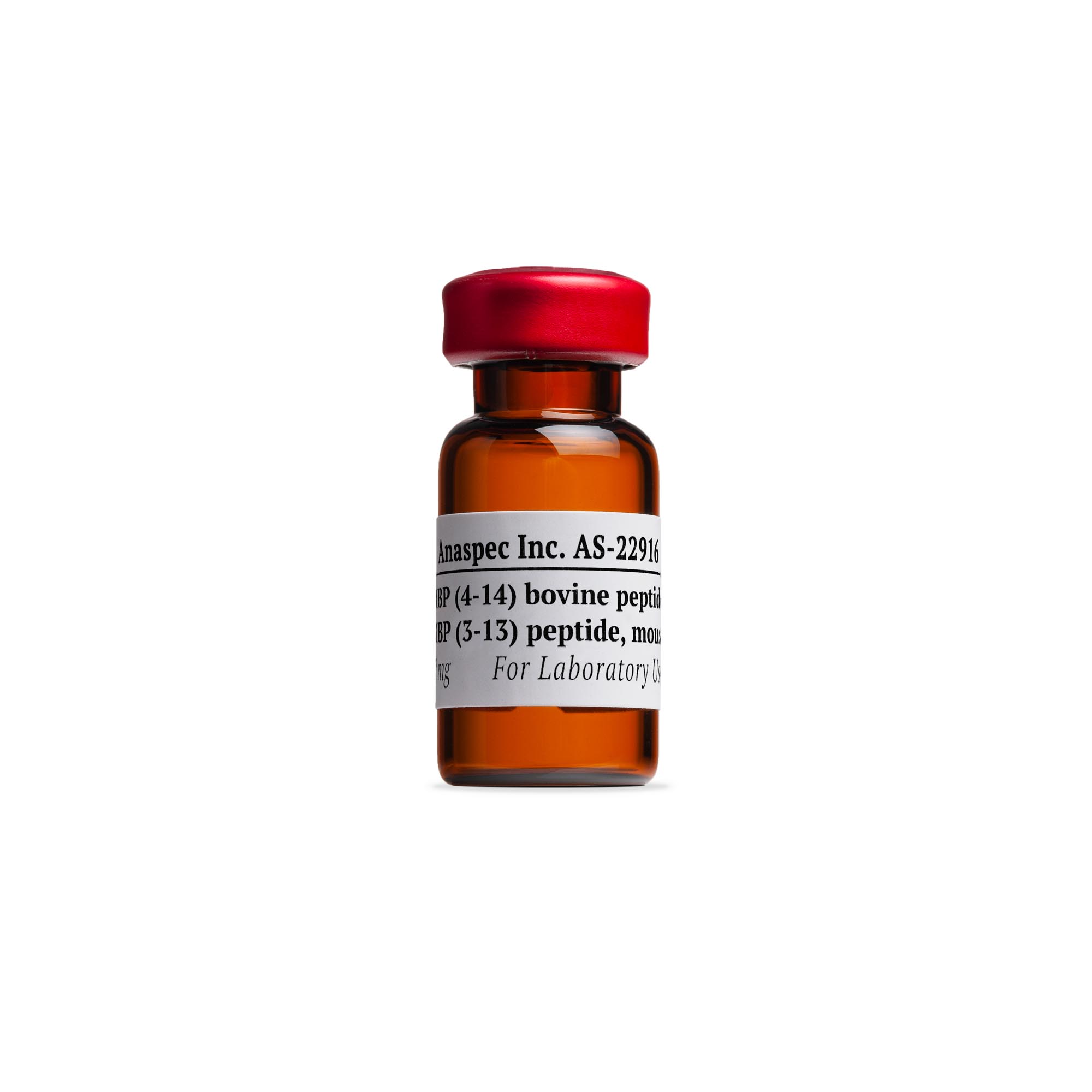
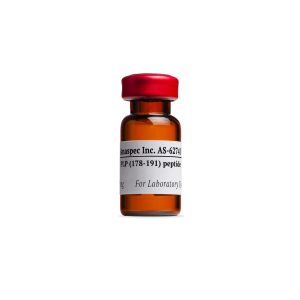
MBP (4-14), bovine, MBP (3-13), mouse – 5 mg
$261.00
MBP induces immune reactivity in multiple sclerosis (MS), a chronic inflammatory demyelinating disease. MBP (3-13) is a substrate for Protein Kinase C.
Overview
Discover the significance of MBP (4-14) and MBP (3-13), bovine and mouse sources, in the context of multiple sclerosis research. These peptides are pivotal in studying immune reactivity associated with this chronic inflammatory demyelinating disease of the central nervous system (CNS). With a focus on protein interactions, MBP (3-13) serves as a substrate for Protein Kinase C, making it a valuable component in various biochemical assays.
Key Features
- High purity and quality, ideal for research applications.
- Facilitates detailed studies of immune responses in multiple sclerosis.
- Substrate for Protein Kinase C, enhancing your research on signaling pathways.
- Available in 5 mg quantities for flexible experimentation.
- Supports a broad range of assays, including our PKG Substrate applications.
Specifications
| Product Name | Source | Amount |
|---|---|---|
| MBP (4-14), bovine, MBP (3-13), mouse | Bovine, Mouse | 5 mg |
FAQ
What is MBP and why is it important for MS research?
MBP stands for myelin basic protein, a key component in the formation of the myelin sheath in the CNS. Its role in immune reactivity makes it critical for understanding multiple sclerosis.
How can I use MBP (3-13) in my experiments?
MBP (3-13) can be utilized as a substrate in assays focused on protein interactions and kinase activity, helping to elucidate signaling mechanisms involved in immune responses.
Where can I find more peptide options for my research?
You can explore a variety of peptides suited for different applications in our peptides category.
Act now and secure your MBP (4-14), bovine, MBP (3-13), mouse – 5 mg for your research needs. Our peptides are for sale now and ready to assist you in your critical studies.
Related Products
Be the first to review “MBP (4-14), bovine, MBP (3-13), mouse – 5 mg”
Related products


Peptides
Reviews
There are no reviews yet.