
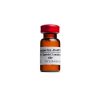
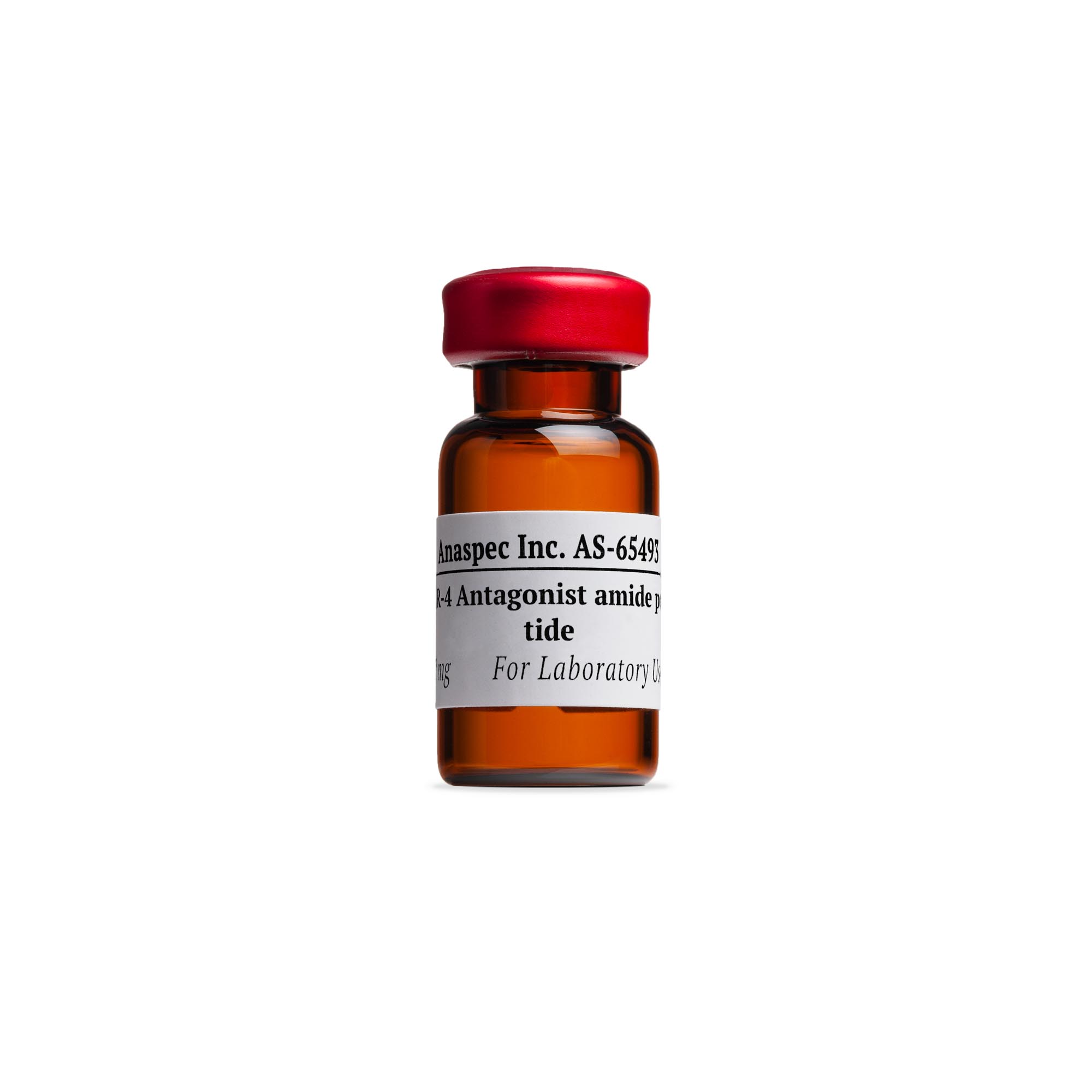
Protease-Activated Receptor-4, PAR-4 Antagonist, amide – 1 mg
$97.00
Protease-Activated Receptor-4, PAR-4 Antagonist, amide inhibits thrombin- and PAR-4 agonist induced rat platelet aggregation.
Overview
The Protease-Activated Receptor-4 (PAR-4) antagonist, amide variant, is a highly selective peptide designed for research involving thrombin- and PAR-4 agonist-induced activation in rat platelets. If you’re studying platelet aggregation mechanisms or exploring cardiovascular research avenues, this peptide is an invaluable tool. By inhibiting thrombin and PAR-4 agonists, it allows for a clearer understanding of platelet function and signaling pathways that contribute to various physiological processes. This peptide could be a vital part of your research arsenal.
Key Features
- Selective PAR-4 antagonist
- Inhibits thrombin-induced rat platelet aggregation
- Suitable for cardiovascular research
- High purity for reliable performance
- Available in 1 mg units
Specifications
| Property | Details |
|---|---|
| Name | Protease-Activated Receptor-4 Antagonist, amide |
| Category | Peptides |
| Concentration | 1 mg |
FAQ
What is the role of PAR-4 in platelet aggregation?
PAR-4 is a receptor that, when activated by thrombin, plays a crucial role in mediating platelet aggregation. Understanding how antagonists like this peptide work can help elucidate the signaling pathways involved.
How should I store the PAR-4 antagonist?
For optimal stability, store this peptide at -20°C. Avoid multiple freeze-thaw cycles, as they can compromise the integrity of the peptide.
Can I use this peptide in vivo?
This peptide is primarily designed for in vitro studies. If you’re considering in vivo applications, consult relevant literature or product experts for guidance.
The Protease-Activated Receptor-4, PAR-4 antagonist you need is just a click away. When you’re ready to advance your research, explore our complete collection of peptides that can help you dive deeper into your studies.
Related Products
Be the first to review “Protease-Activated Receptor-4, PAR-4 Antagonist, amide – 1 mg”
Related products
Peptides
Peptides
Peptides
Reviews
There are no reviews yet.