
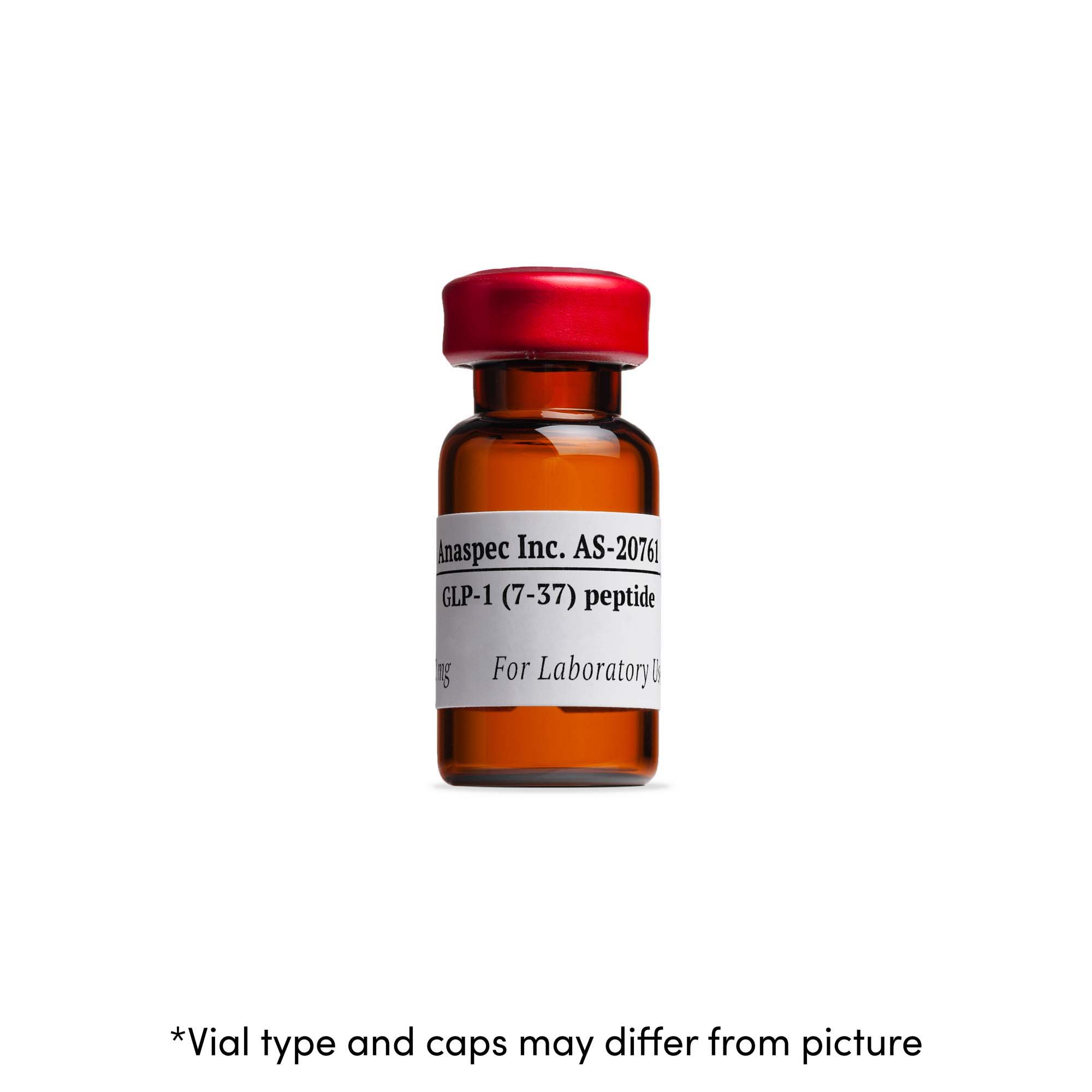
Glucagon-Like Peptide 1, GLP-1 (7-37) human, mouse, rat, bovine, guinea pig
Price range: $232.00 through $375.00
GLP-1 (7-37) is the cleavage product of proglucagon, an incretin hormone that causes glucose dependent release of insulin by pancreatic beta cells.
Overview
GLP-1 (7-37) is a critical peptide derived from the proglucagon molecule, acting as an incretin hormone crucial for regulating insulin release in response to glucose levels. This peptide plays an essential role in glucose metabolism and appetite regulation, making it a significant focus of research, especially in the context of diabetes and obesity. By stimulating the pancreatic beta cells, GLP-1 (7-37) contributes to lowering blood glucose levels while influencing gastric motility and promoting a feeling of fullness (satiety). If you’re looking to incorporate GLP-1 (7-37) into your research or therapeutic studies, consider adding our high-quality peptides to your inventory.
Key Features
- Derived from proglucagon, influencing insulin release
- Promotes satiety and regulates gastric emptying
- Available for human, mouse, rat, bovine, and guinea pig applications
- Bioactive form with significant physiological relevance
- Perfect for research into diabetes and metabolic disorders
Specifications
| Product Name | GLP-1 (7-37) |
| Source | Human, Mouse, Rat, Bovine, Guinea Pig |
| Form | Lyophilized powder |
| Purity | ≥95% by HPLC |
| Storage | -20°C |
FAQ
What is GLP-1 (7-37) used for?
GLP-1 (7-37) is primarily investigated for its role in stimulating insulin secretion and lowering blood sugar levels, making it relevant for diabetes research and treatment.
How should GLP-1 (7-37) be stored?
This peptide should be stored at -20°C to maintain its integrity and bioactivity until use.
Can I use GLP-1 (7-37) for animal studies?
Yes, GLP-1 (7-37) is suitable for use in studies involving various animal models, including mice, rats, and guinea pigs.
To enhance your research capabilities, explore our collection of peptidesincluding options like the PKG Substrate and Autocamtide-2. Each product is crafted to meet high standards of purity and effectiveness, ensuring reliable data for your experiments.
Related Products
| Size | 0.5 mg, 1 mg |
|---|
Be the first to review “Glucagon-Like Peptide 1, GLP-1 (7-37) human, mouse, rat, bovine, guinea pig”
Related products
Peptides
Peptides
Reviews
There are no reviews yet.