
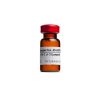
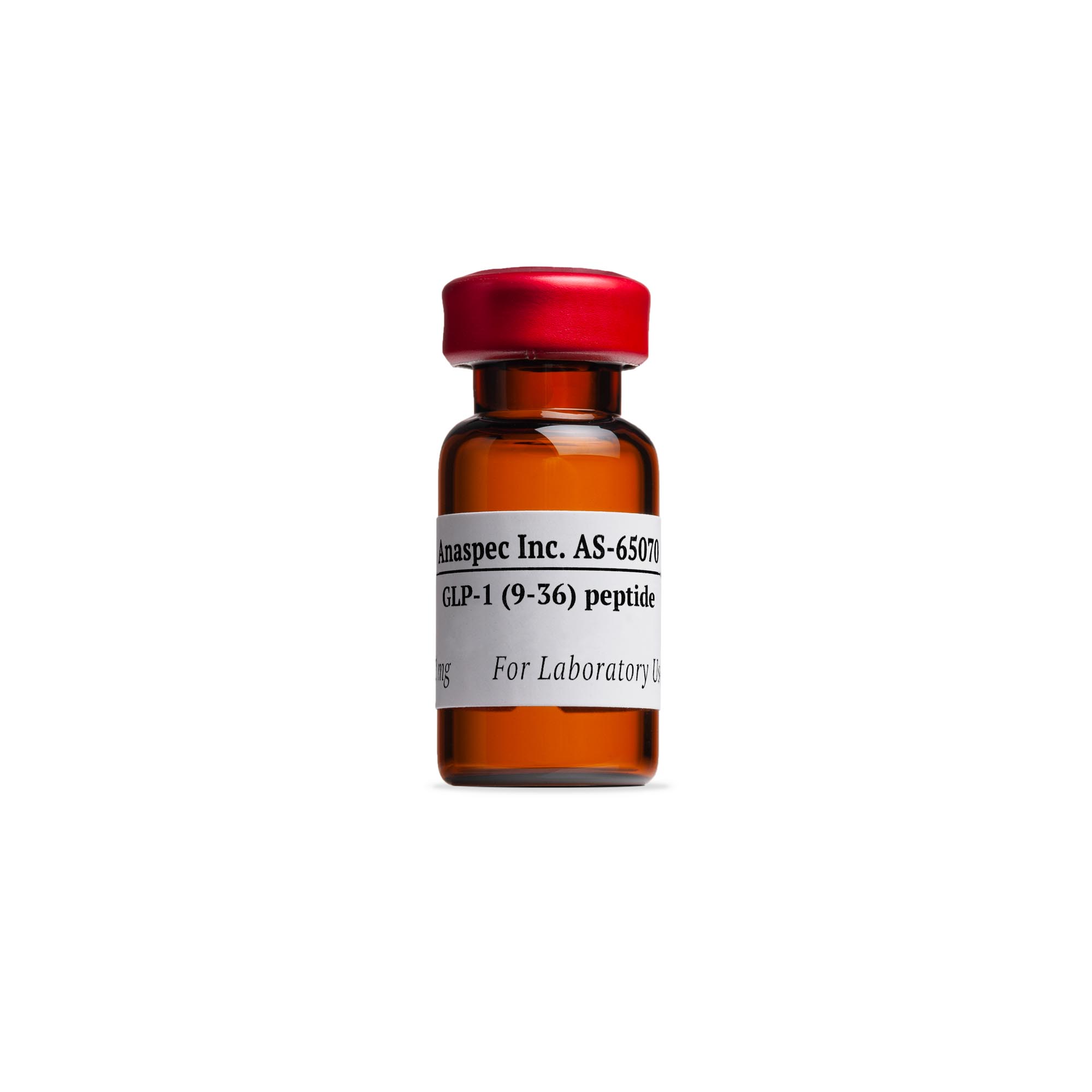
Glucagon-Like Peptide 1, GLP-1 (9-36), amide, human, mouse, rat, bovine, guinea pig – 1 mg
$320.00
Glucagon-Like Peptide 1, GLP-1 (9-36), amide is the result of the rapid degradation of GLP-1 (7-36) amide, by the enzyme dipeptidyl peptidase IV (DPP-4).
Overview
Glucagon-Like Peptide 1, GLP-1 (9-36), amide, is an important peptide resulting from the enzymatic degradation of GLP-1 (7-36) amide by dipeptidyl peptidase IV (DPP-4). This peptide is found in various organisms, including humans, mice, rats, bovines, and guinea pigs, making it a versatile choice for your research needs. When studying GLP-1 and its metabolic effects, understanding its degradation products, such as GLP-1 (9-36), is crucial. While GLP-1 (7-36) stimulates insulin secretion and lowers glucagon release, GLP-1 (9-36) does not influence glucose clearance or insulin levels. This makes GLP-1 (9-36) a candidate for diverse experimental applications.
Key Features
- High-quality GLP-1 (9-36), amide peptide for reliable research results.
- Available in a 1 mg size, suitable for various experimental setups.
- Compatible with studies on metabolism and endocrinology.
- Ideal for use in assays that require peptide degradation understanding.
- Can be utilized for both in vitro and in vivo research.
Specifications
| Attribute | Details |
|---|---|
| Peptide | GLP-1 (9-36), amide |
| Source Organisms | Human, mouse, rat, bovine, guinea pig |
| Size | 1 mg |
FAQ
What is GLP-1 (9-36), amide used for?
GLP-1 (9-36), amide is primarily used in research focused on metabolic processes, specifically studies of insulin secretion and glucagon regulation.
Can this peptide be used in both in vitro and in vivo settings?
Yes, GLP-1 (9-36), amide is suitable for both in vitro and in vivo research applications, allowing for versatile experimental designs.
How is GLP-1 (9-36), amide produced?
This peptide is derived from GLP-1 (7-36) amide through the action of DPP-4, which is present in various tissues, including endothelial cells.
If you’re looking to purchase high-quality GLP-1 (9-36), amide for your research, shop with confidence at AnaSpec. Explore more about our range of peptides and enhance your studies with reliable products.
Related Products
Be the first to review “Glucagon-Like Peptide 1, GLP-1 (9-36), amide, human, mouse, rat, bovine, guinea pig – 1 mg”
Related products
Peptides
Peptides
Peptides
Reviews
There are no reviews yet.