
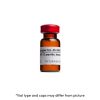
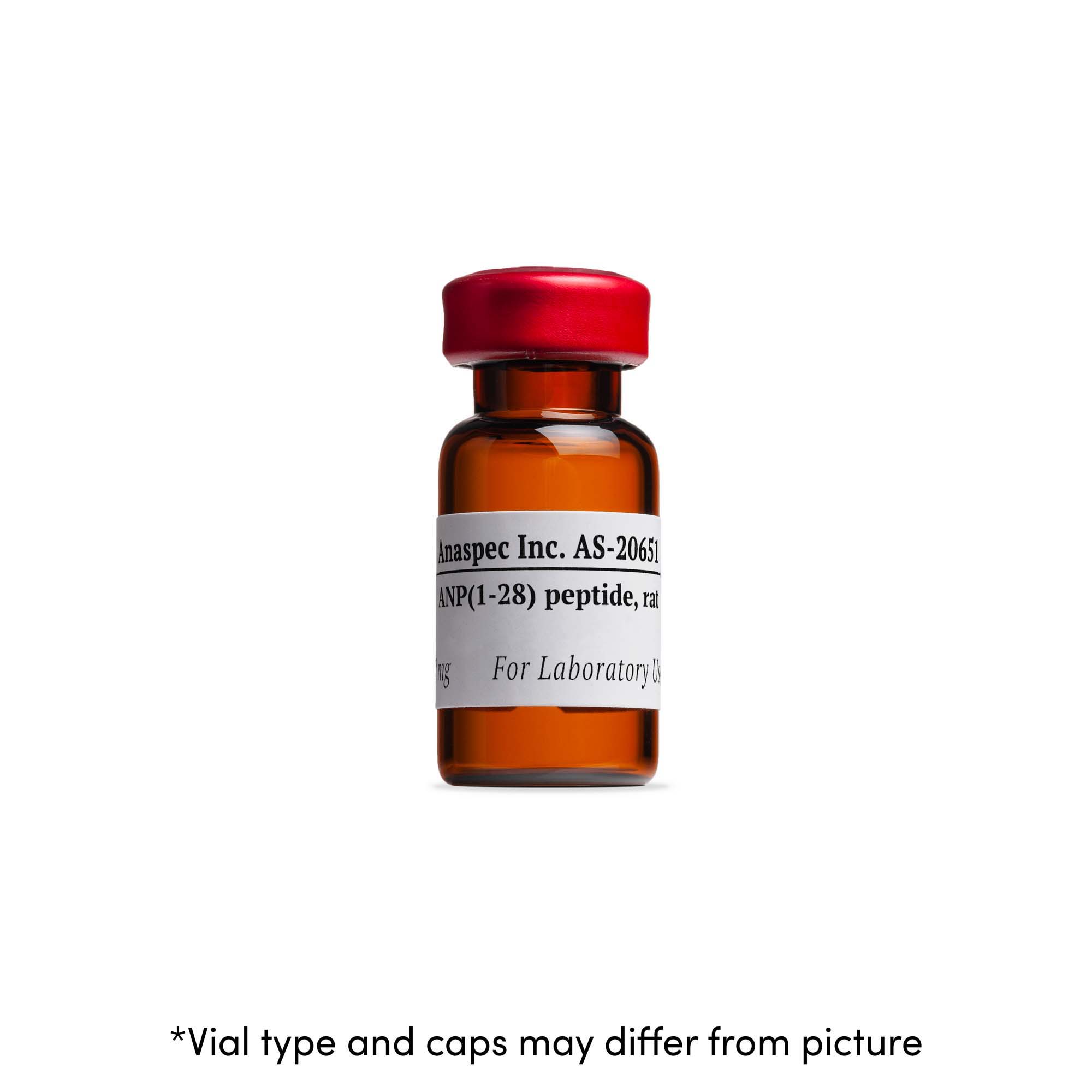
Atrial Natriuretic Peptide (1-28), rat
Price range: $183.00 through $213.00
A-type (Atrial) natriuretic peptide (ANP), also called Cardiodilatine (CDD), is a peptide hormone composed of 28 amino acids, processed from prepro-ANP.
Overview
The Atrial Natriuretic Peptide (1-28), rat, known for its crucial role in cardiovascular regulation, is a peptide hormone consisting of 28 amino acids. This peptide, also referred to as Cardiodilatine (CDD), is processed from the precursor prepro-ANP, which helps in its biological functions. Originating in cardiac myocytes, the Atrial Natriuretic Peptide (ANP) exerts significant vasodilating effects, fundamentally contributing to the management of blood pressure and fluid balance in rats.
Key Features
- Contains 28 amino acids, crucial for its biological activity.
- Produced in cardiac myocytes, promoting vasodilation.
- Involved in fluid balance and blood pressure regulation.
- Specifically processed from prepro-ANP for maximum efficacy.
- Available for research applications in cardiovascular studies.
Specifications
| Property | Details |
|---|---|
| Peptide Length | 28 amino acids |
| Source | Rat |
| Storage Conditions | -20°C |
| Form | Lyophilized powder |
FAQ
What is the role of Atrial Natriuretic Peptide?
Atrial Natriuretic Peptide (ANP) plays a vital role in regulating blood pressure and fluid balance through its vasodilatory effects, which helps to decrease blood volume and pressure.
How is ANP processed in the body?
It is processed from a precursor called prepro-ANP, which undergoes signal peptide removal followed by protease cleavage by corin, creating the active 28 amino acid peptide.
Where can I use this peptide in research?
This peptide is beneficial for studies focused on cardiovascular health, fluid regulation, and physiological responses in rats. Consider exploring other relevant products such as PKG Substrate or Autocamtide-2 for comprehensive research setups.
Enhance your research with the Atrial Natriuretic Peptide (1-28), rat, available for sale now. By incorporating this essential peptide into your studies, you can gain valuable insights into cardiovascular mechanisms and responses.
Related Products
Browse more in Peptides.
| Size | 0.5 mg, 1 mg |
|---|
Be the first to review “Atrial Natriuretic Peptide (1-28), rat”
Related products
Peptides
Peptides
Reviews
There are no reviews yet.