
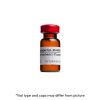
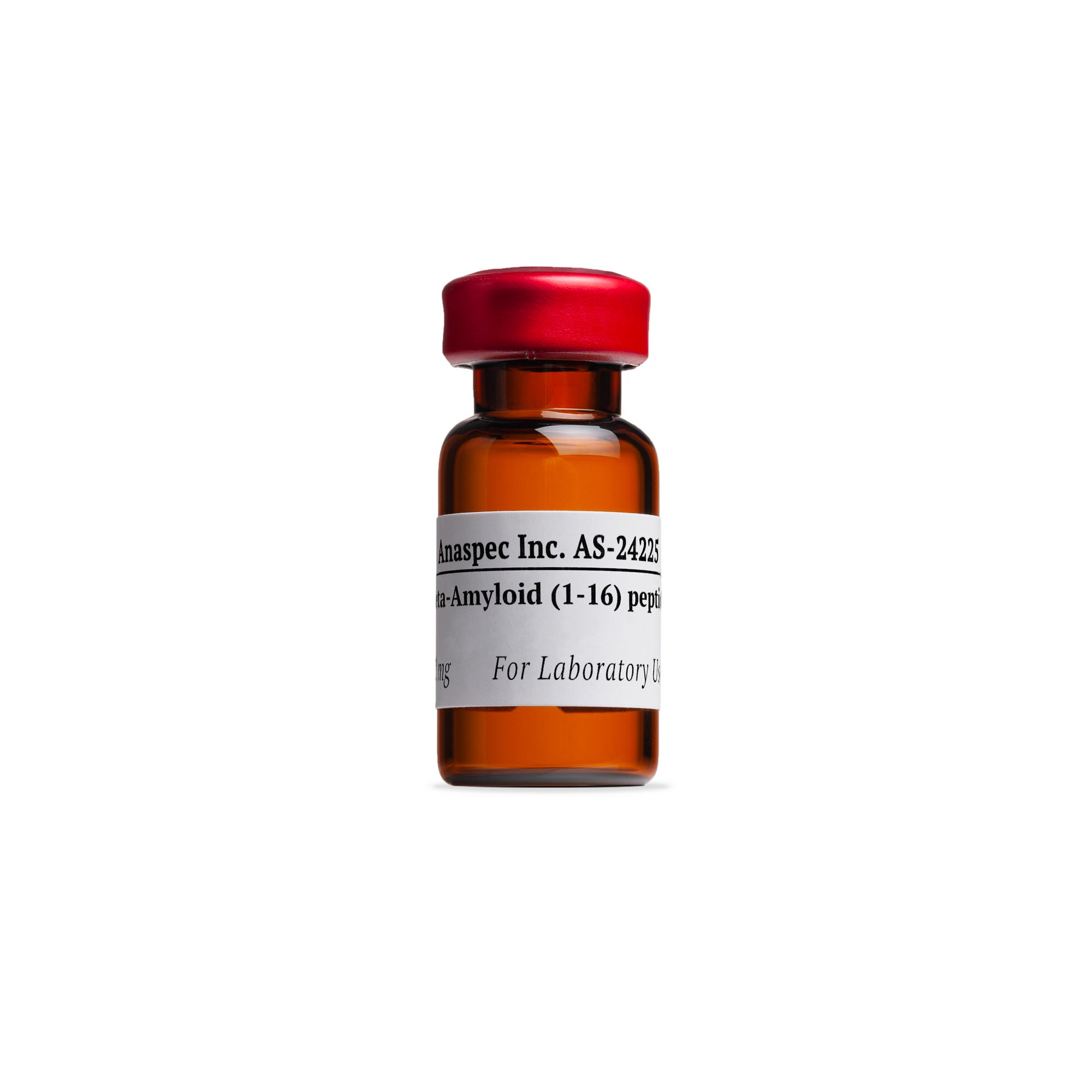
Beta-Amyloid (1-16) Peptide
Price range: $122.00 through $461.00
Oxidation targets for Aß(1-16) are the histidine residues coordinated to the metal ions. Copper is bound to Aß in senile plaque of Alzheimer’s disease.
Overview
The Beta-Amyloid (1-16) Peptide is a crucial tool for researchers investigating the molecular mechanisms of Alzheimer’s disease. Recognized for its role in the formation of senile plaques, this peptide provides insight into the interaction between amyloid beta and metal ions like copper and zinc, which are implicated in neurotoxicity. By studying this peptide, you can explore the oxidation targets that affect histidine residues, paving the way for potential therapeutic interventions.
Key Features
- High purity peptide essential for Alzheimer’s research
- Facilitates studies on amyloid beta interactions with metal ions
- Supports investigations into oxidative modifications in proteins
- Available for purchase in various quantities to meet your research needs
Specifications
| Property | Details |
|---|---|
| Peptide Sequence | Aβ (1-16) |
| Purity | ≥ 95% |
| Weight | 1 mg |
FAQ
What is the significance of the Beta-Amyloid (1-16) Peptide?
This peptide is vital for studying the pathology of Alzheimer’s disease, specifically its role in the formation of plaques and interaction with metal ions.
How can I use this peptide in my research?
Utilize the Beta-Amyloid (1-16) Peptide to analyze oxidative stress in protein interactions, which may lead to discoveries on neurodegenerative processes.
What other related products does AnaSpec offer?
AnaSpec offers a range of peptides including the highly cited Autocamtide-2 and CREBtidewhich may complement your research on neurobiological indicators.
Related Products
Browse more in Peptides.
| Size | 1 mg, 5 mg |
|---|
Be the first to review “Beta-Amyloid (1-16) Peptide”
Related products
Peptides
Peptides
Reviews
There are no reviews yet.