
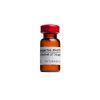
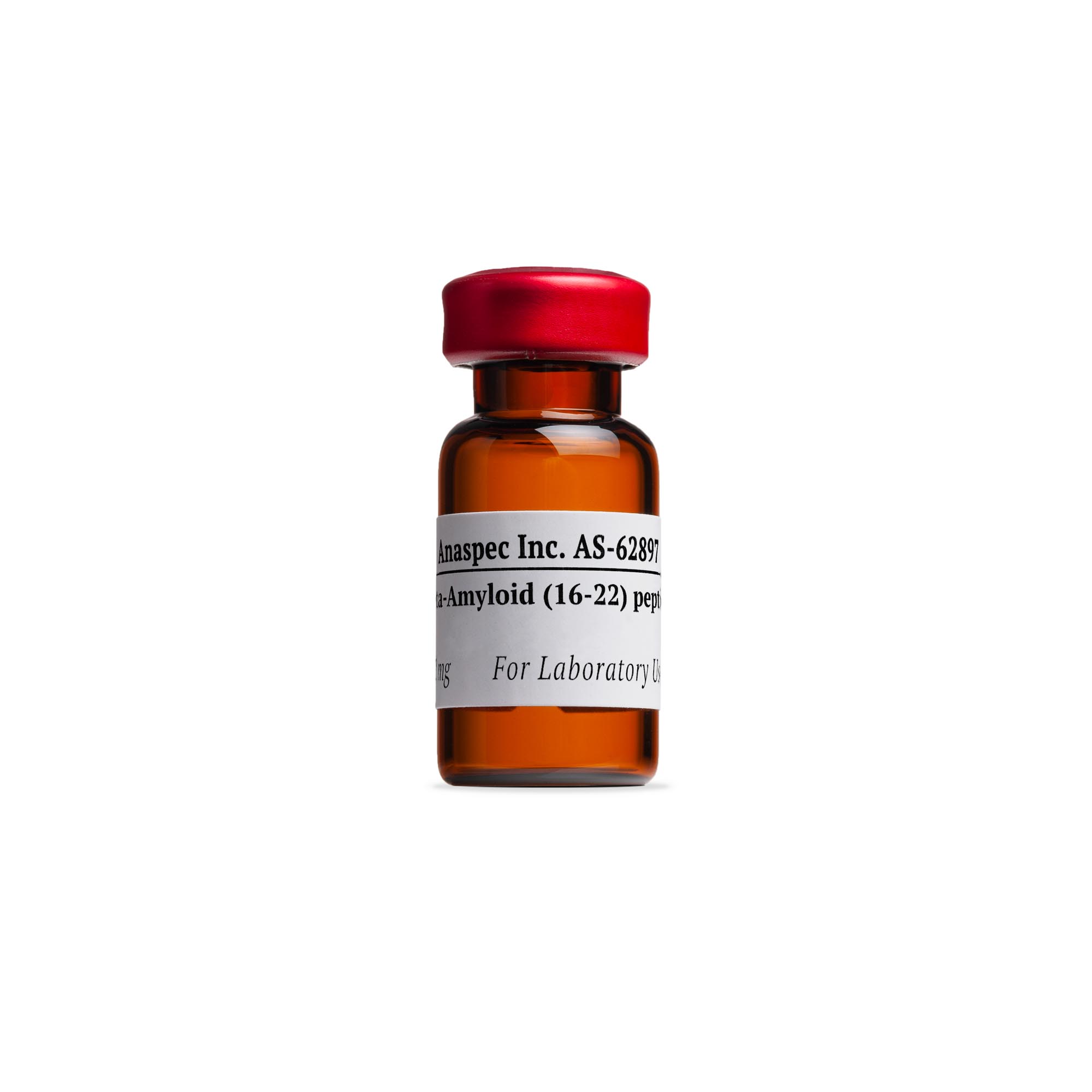
Beta-Amyloid (16-22) – 1 mg
$105.00
Beta-Amyloid (16-22) contains two aromatic phenylalanine residues. Has the capacity of forming typical amyloid fibrils in vitro.
Overview
Beta-Amyloid (16-22) is a key peptide fragment used in research to study amyloid fibril formation. This specific sequence features two aromatic phenylalanine residues, which are essential for mimicking the behavior of amyloid plaques observed in various neurological conditions. Researchers in fields such as neurobiology and biochemistry can significantly benefit from the insights gained using this peptide in their assays.
Key Features
- Contains a heptapeptide fragment of the beta-Amyloid peptide
- Forms typical amyloid fibrils in vitro
- Incorporates two aromatic phenylalanine residues
- Useful for studying mechanisms of amyloid formation
- Enhances understanding of neurodegenerative diseases
Specifications
| Product Name | Beta-Amyloid (16-22) |
|---|---|
| Size | 1 mg |
| Category | Peptides |
FAQ
What is Beta-Amyloid (16-22) used for?
This peptide is primarily used in research to investigate the formation of amyloid fibrils, which are associated with various neurodegenerative diseases. It provides valuable insights into the mechanisms of amyloid aggregation.
How does this peptide contribute to amyloid research?
Beta-Amyloid (16-22) contains critical aromatic residues, making it an excellent model for examining amyloid fibril formation. Its study can enhance understanding of amyloid-related pathologies.
Where can I find more peptide products?
Explore our extensive range of peptides available for various research applications, including experimental assays and studies related to neurological and physiological indicators.
When you’re ready to advance your research, consider adding Beta-Amyloid (16-22) to your laboratory tools. Understanding the amyloid formation process is crucial in tackling neurodegenerative diseases, and this peptide provides the foundation for such groundbreaking work.
Related Products
Be the first to review “Beta-Amyloid (16-22) – 1 mg”
Related products
Peptides
Reviews
There are no reviews yet.