
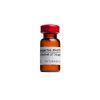
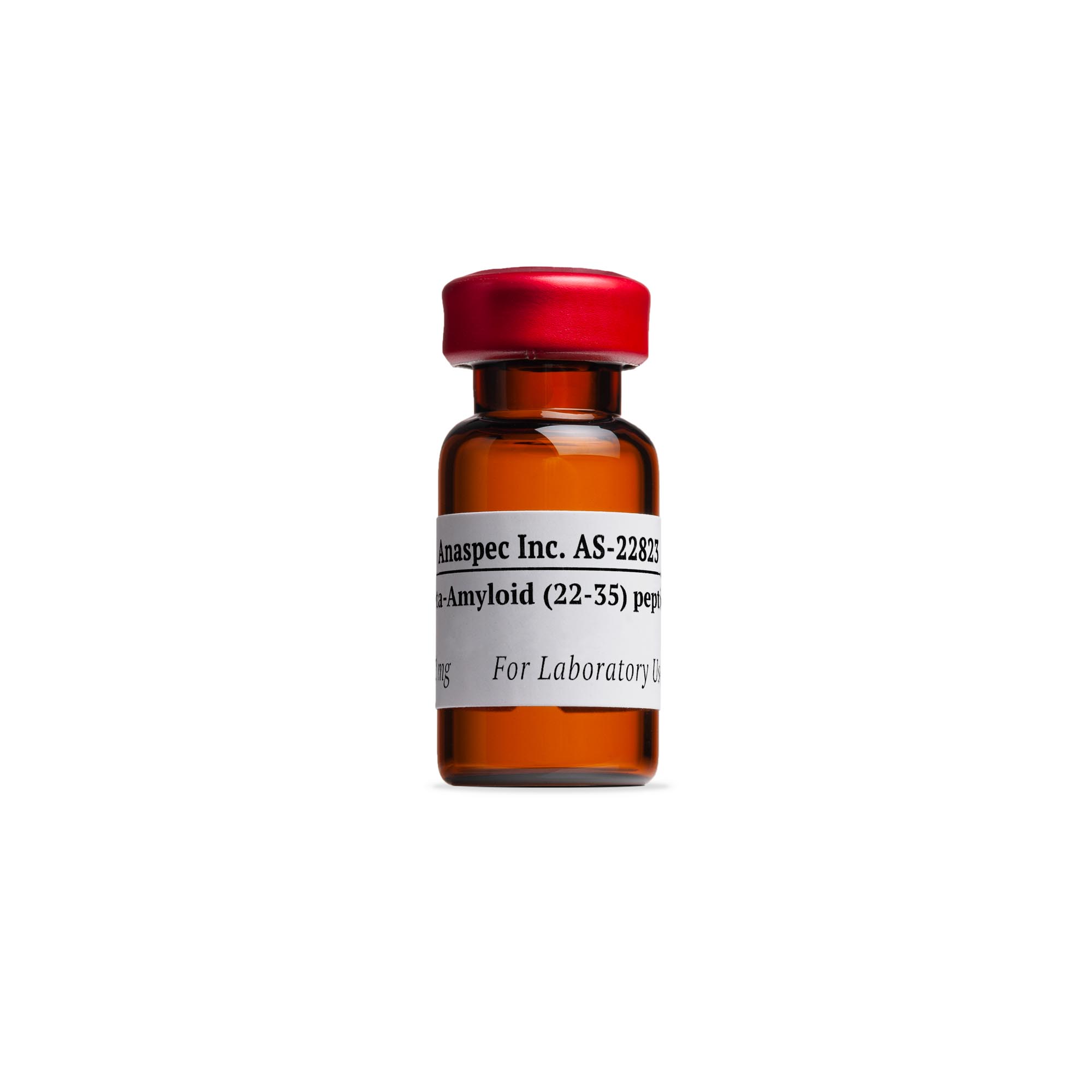
Beta-Amyloid (22-35) – 1 mg
$162.00
This is the 22-35 fragment of b-Amyloid peptide (human, mouse, rat)
Overview
The Beta-Amyloid (22-35) peptide is a crucial fragment in the study of neurodegenerative diseases, particularly Alzheimer’s disease. This segment (human, mouse, rat) is vital for researchers aiming to understand the mechanisms of amyloid plaque formation and its implications for neuronal health. This peptide can be instrumental in various research applications, making it a key component in neurological studies.
Key Features
- Comprised of the 22-35 fragment of beta-Amyloid
- Suitable for human, mouse, and rat studies
- Helps in research of amyloid plaques and neurodegenerative conditions
- Highly stable for extended research applications
- Available in a convenient 1 mg package
Specifications
| Product Name | Beta-Amyloid (22-35) |
| CAS Number | Not applicable |
| Purity | ≥95% |
| Quantity | 1 mg |
FAQ
What is the significance of the Beta-Amyloid (22-35) peptide?
This peptide is significant in neurobiology as it relates to the formation of amyloid plaques associated with Alzheimer’s disease. Researchers utilize it to gain insights into disease mechanisms and testing therapeutic strategies.
How can I use Beta-Amyloid (22-35) in my research?
You can incorporate this peptide in various assays related to neurodegenerative diseases. It is particularly useful for studying amyloid aggregation and its effects on cellular processes.
What are the storage conditions for this peptide?
For optimal stability, store the Beta-Amyloid (22-35) peptide in a -20°C freezer, and protect it from light and moisture.
If you are looking for a high-quality peptide for your research, consider adding the Beta-Amyloid (22-35) peptide to your collection. To see more options, explore our diverse range of peptides and other related products, such as the PKG Substrate or Autocamtide-2.
Related Products
Be the first to review “Beta-Amyloid (22-35) – 1 mg”
Related products
Peptides
Peptides
Peptides
Peptides
Reviews
There are no reviews yet.