
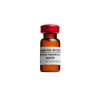
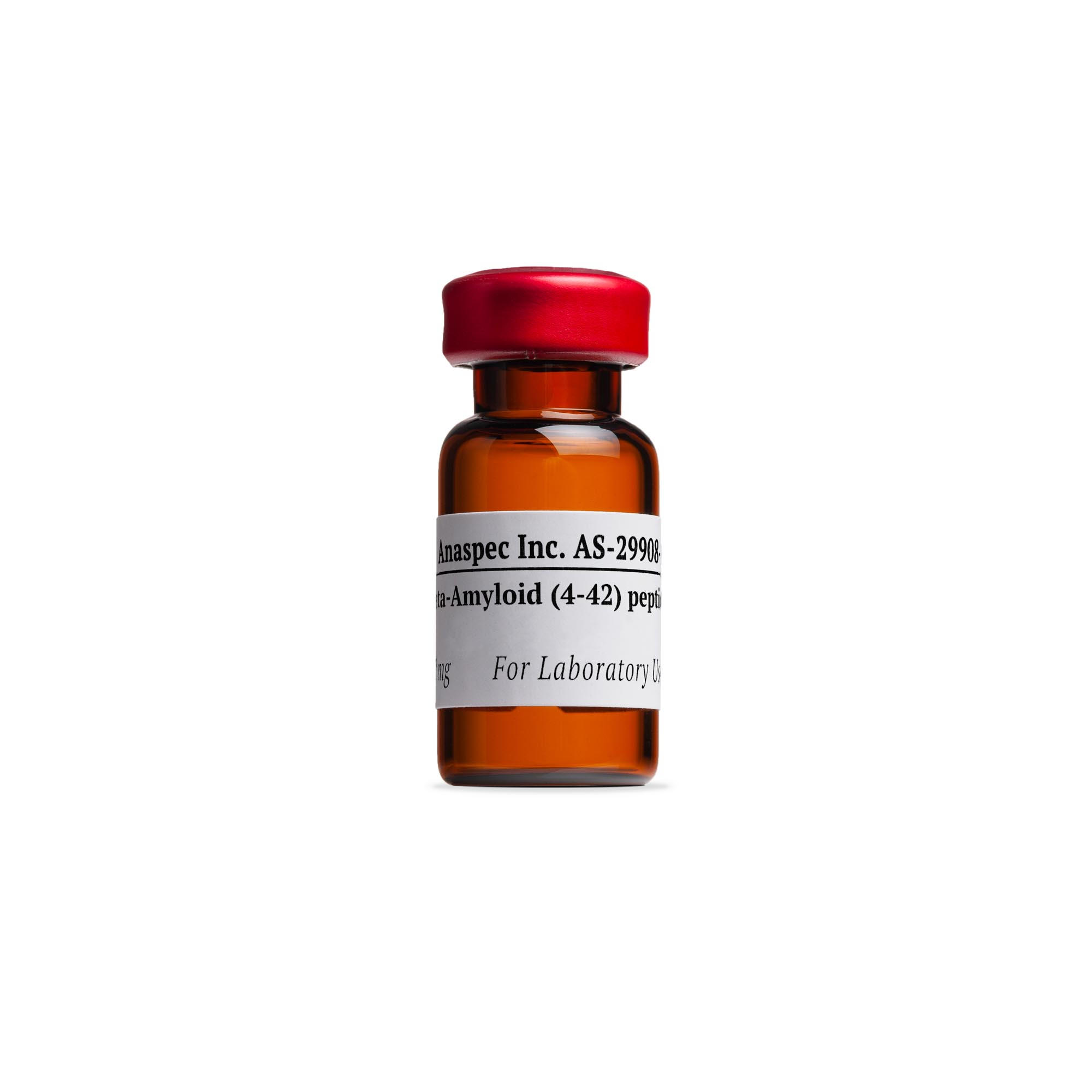
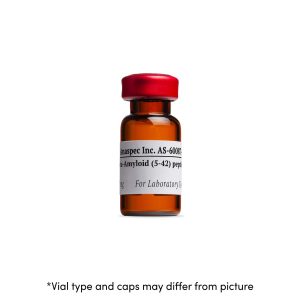
Beta-Amyloid (4-42) – 1 mg
$648.00
N-truncated Beta-Amyloid (4-42) is highly abundant in Alzheimer disease (AD) brain and was first Aß peptide discovered in AD plaques, it forms aggregates.
Overview
Beta-Amyloid (4-42) is a significant peptide found in the brains of individuals diagnosed with Alzheimer’s disease (AD). This N-truncated peptide is notorious for being the first Aβ peptide identified in the plaques associated with Alzheimer’s. Its propensity to form aggregates makes it a crucial target for researchers focused on understanding neurodegenerative disorders. If you’re diving into studies on disease mechanisms or developing therapeutic strategies, Beta-Amyloid (4-42) is an essential component for your assays.
Key Features
- Highly abundant in Alzheimer’s disease brains
- First Aβ peptide discovered in AD plaques
- Rapid aggregation tendency, crucial for research
- Potential for various applications in neurological studies
- Available in a convenient 1 mg format for easy handling
Specifications
| Product Name | Beta-Amyloid (4-42) |
| Quantity | 1 mg |
| Category | Peptides |
FAQ
What is Beta-Amyloid (4-42) used for?
This peptide is primarily used in research related to Alzheimer’s disease, helping scientists study its role in plaque formation and neurodegeneration.
How should I store Beta-Amyloid (4-42)?
It is recommended to store this peptide at -20°C to maintain its stability and efficacy over time.
Are there any related products that can enhance my research?
Absolutely, consider checking out our PKG substrate or our Autocamtide-2 for enhanced assay capabilities.
If you’re working with proteins and need more solutions, explore our extensive lineup of peptides tailored for various applications.
Related Products
Be the first to review “Beta-Amyloid (4-42) – 1 mg”
Related products
Peptides
Peptides
Peptides
Peptides
Reviews
There are no reviews yet.